
Plant-Based Protein Sources and How They Compare to Animal Protein
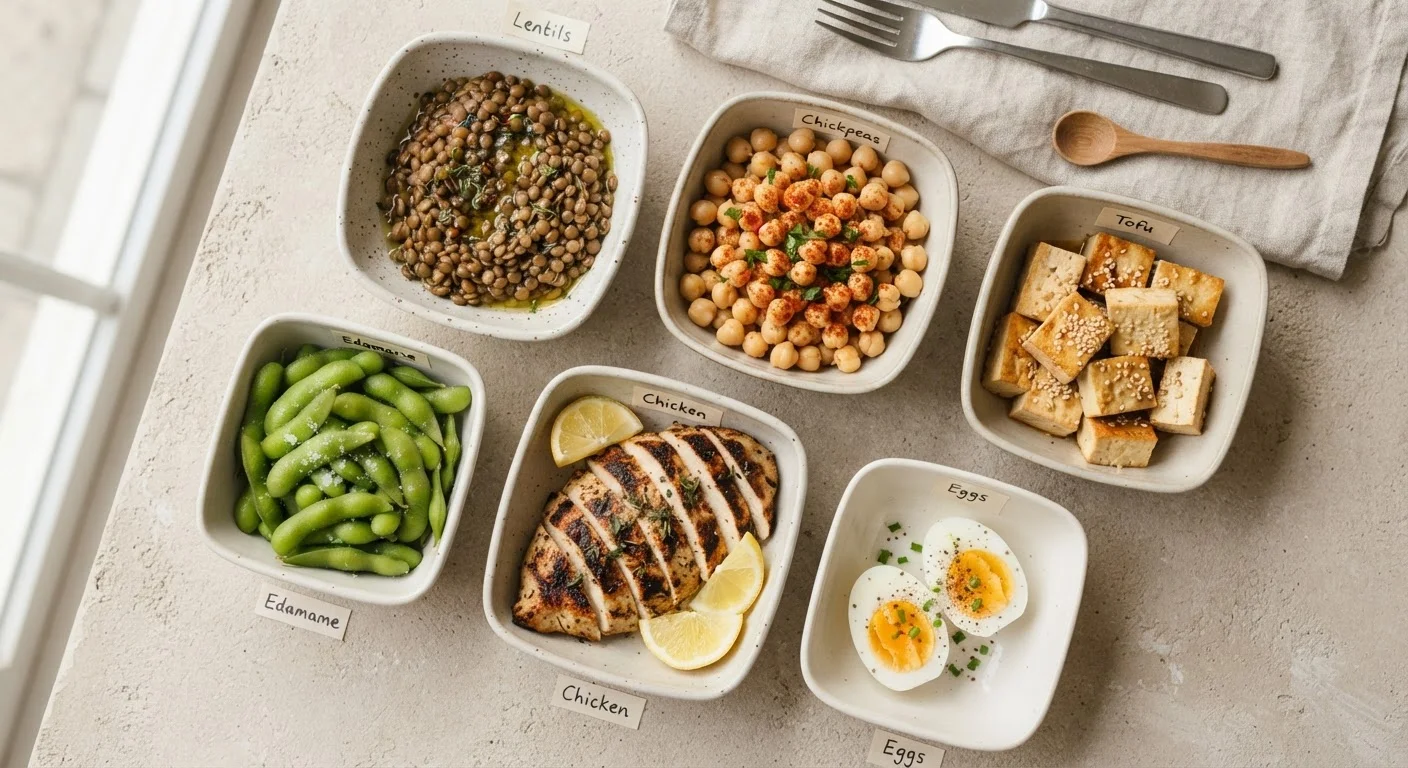
Photo credit: TopInfoTabs.com | Easy Insights For Inspiration
In this article
A factual comparison of protein completeness, bioavailability, and practical sourcing across plant and animal food groups.
Key Takeaways
- Animal proteins are generally complete proteins, containing all nine essential amino acids in sufficient quantities.
- Most plant proteins are incomplete, but strategic food pairing or variety across the day covers all essential amino acids.
- Bioavailability differs: animal proteins are typically more readily absorbed, though factors like cooking method affect both types.
- Legumes, soy, quinoa, and hemp seeds are among the most protein-dense and nutritionally robust plant options.
- A mixed or well-planned plant-forward diet can meet protein needs for most healthy adults, per mainstream nutrition guidance.
What Makes a Protein 'Complete'?
Protein is made up of amino acids - organic compounds your body uses to build muscle, produce enzymes, and support immune function. Of the 20 amino acids, nine are considered essential, meaning the body cannot synthesize them and must obtain them from food.
A complete protein contains all nine essential amino acids in proportions that support human physiology. Animal-derived foods - eggs, meat, poultry, fish, and dairy - are generally complete proteins. Most plant foods, by contrast, are incomplete: they may be low or deficient in one or more essential amino acids. Notable exceptions include soy (including tofu, tempeh, and edamame), quinoa, and hemp seeds, which are considered nutritionally complete plant proteins.
Importantly, completeness doesn't need to come from a single food. Eating a variety of plant proteins across the day - say, rice and lentils, or hummus and whole-grain bread - can deliver all essential amino acids without requiring precise meal-by-meal pairing, as once commonly believed.
Bioavailability: How Much Protein Does Your Body Actually Use?
Protein quality isn't just about amino acid content - it's also about how efficiently your body can digest and absorb that protein. This is measured using scales like the PDCAAS and the newer DIAAS, which account for both amino acid composition and digestibility.
Animal proteins - particularly eggs, whey, and casein - consistently score near the top of these scales. Many plant proteins score lower, partly due to antinutrients like phytates and tannins, which can bind minerals and reduce absorption. However, cooking, soaking, sprouting, or fermenting plant foods substantially reduces antinutrient activity and improves bioavailability.
Improve Plant Protein Absorption with Simple Prep
Soaking dried legumes overnight and discarding the soaking water before cooking can significantly reduce phytates and improve mineral absorption. Fermenting soy - as in tempeh or miso - also enhances both digestibility and bioavailability. These preparation steps require minimal effort and make a measurable nutritional difference.
For those relying primarily on plant proteins, understanding label information on protein content can make a real difference. Our guide on reading nutrition labels explains how to interpret the numbers on packaged foods accurately.
Comparing Common Sources Side by Side
The table below compares key attributes across widely consumed protein sources. Protein values are approximate per 100g cooked or prepared weight and should be used as general reference points, not precise dietary prescriptions.
| Chicken Breast | Eggs | Lentils | Tofu | Greek Yogurt | Quinoa | |
|---|---|---|---|---|---|---|
| Protein per 100g | ~31g | ~13g | ~9g | ~8g | ~10g | ~4g |
| Complete protein? | Yes | Yes | No | Yes | Yes | Yes |
| Bioavailability | High | Very high | Moderate | Moderate-high | High | Moderate |
| Fiber content | None | None | High | Low | None | Moderate |
| Saturated fat | Low | Moderate | Negligible | Low | Low-moderate | Low |
| Plant-based? | No | No | Yes | Yes | No | Yes |
A few patterns stand out: animal sources deliver dense, complete protein with high bioavailability. Soy-based foods and legumes offer strong plant-based alternatives, especially when combined with whole grains. Nuts and seeds add protein but are also calorie-dense, making portion context relevant.
Practical Considerations for Building Your Plate
How you structure your overall eating pattern matters more than any single food choice. A few evidence-informed principles are worth keeping in mind:
- Variety reduces gaps. Rotating protein sources - across legumes, whole grains, nuts, seeds, and animal foods if consumed - naturally distributes amino acid and micronutrient intake.
- Plant proteins offer fiber bonuses. Lentils, chickpeas, and black beans deliver substantial dietary fiber alongside protein, which supports digestive health and satiety.
- Animal proteins carry contextual considerations. Processed meats and high-fat red meats have been associated in population studies with certain health outcomes; lean, minimally processed options are generally preferred in mainstream dietary guidance.
- Special populations require tailored attention. Older adults, pregnant individuals, and those managing chronic conditions may have different protein needs. Consult a registered dietitian or healthcare provider for personalized guidance.
~0.8g/kg
Daily protein RDA for healthy adults
The U.S. Recommended Dietary Allowance sets a baseline of approximately 0.8g of protein per kilogram of body weight per day for sedentary adults.
1 in 5
Americans identify as flexitarian
Survey data from the International Food Information Council has found a growing share of U.S. adults describe their diet as flexitarian, incorporating both plant and animal proteins.
This article provides general nutritional information and is not a substitute for personalized medical or dietary advice. Speak with a qualified healthcare professional before making significant changes to your diet.

Author
Health & Wellness Editorial Team
Health & Wellness Editorial Team is the collective byline for our editorial team and contributor network. Articles published under this byline or an editorial pen name are researched, written, and reviewed according to our editorial standards for clarity, consistency, and independence before publication.
View all articles →