
Nutrition Label Literacy: Reading the Fine Print on Packaged Food
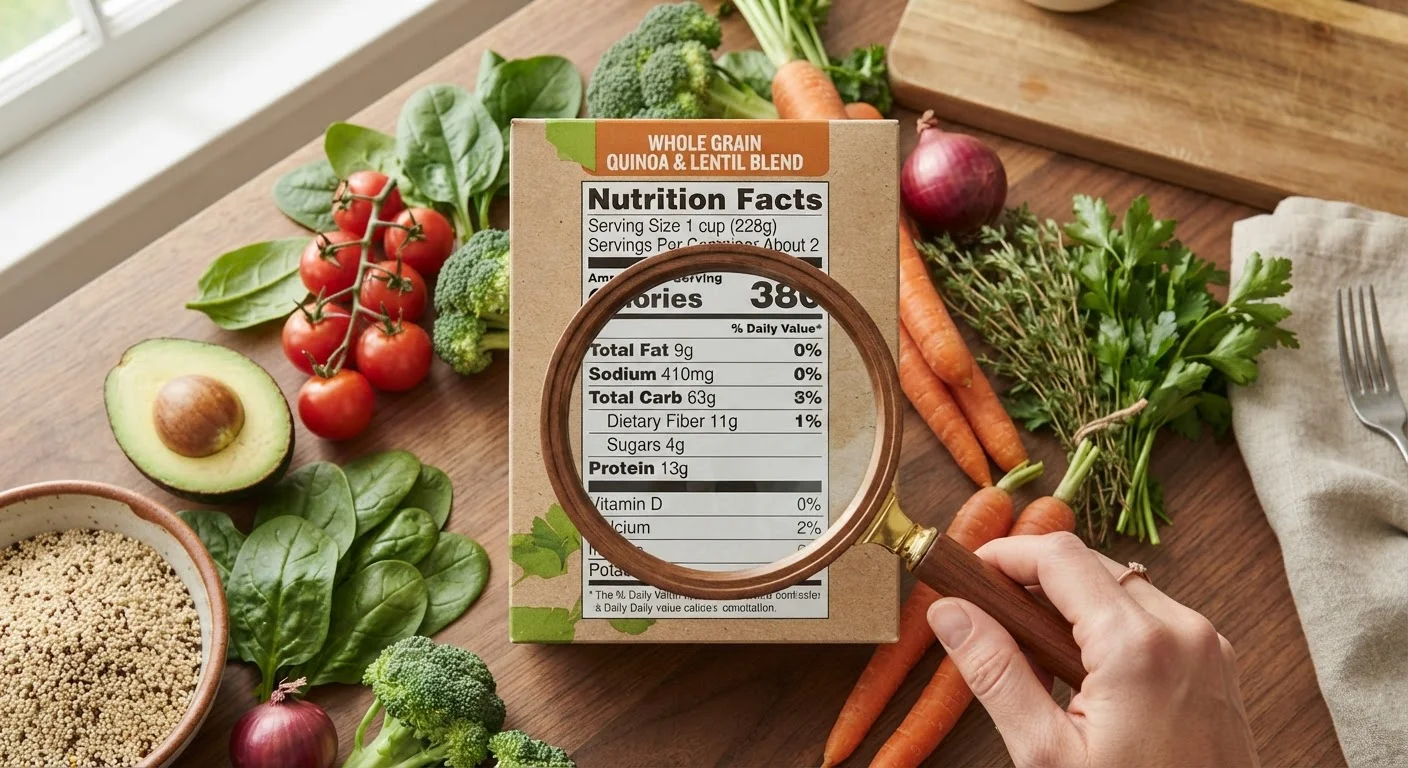
Photo credit: TopInfoTabs.com | Easy Insights For Inspiration
In this article
Serving sizes, daily values, ingredient order — what every consumer should understand before trusting a nutrition panel.
Key Takeaways
- Serving size is the foundation of every other number on a nutrition label - check it first.
- The % Daily Value column shows how a nutrient fits into a general 2,000-calorie reference diet.
- Ingredients are listed by weight, so what appears first is present in the greatest amount.
- Front-of-pack claims like 'natural' or 'light' are largely unregulated and often misleading.
- Added sugars appear separately from total sugars - a distinction worth noting every time.
- Label literacy is a skill that gets faster with practice; a few seconds per product adds up.
Why Label Literacy Matters More Than Diet Trends
Dietary advice cycles through trends quickly - low-fat, low-carb, high-protein, plant-based - but one skill remains consistently useful regardless of which eating pattern you follow: knowing how to read a nutrition label accurately. The FDA's Nutrition Facts panel is a standardized, regulated disclosure tool, and understanding its structure gives you a reliable reference point in a landscape full of marketing noise.
This isn't about counting every gram or optimizing a diet obsessively. It's about recognizing what a product actually contains versus how it presents itself, so your choices reflect genuine preference and informed judgment. For a grounding in what the major nutrients actually do in the body, our practical introduction to macronutrients is a helpful companion read.
What you will need
Nutrition Facts Panel
The FDA-mandated label on packaged foods that discloses serving size, calorie count, macro and micronutrient amounts, and % Daily Values.
Ingredient List
Found below or near the Nutrition Facts panel; lists every ingredient in descending order by weight before processing.
Smartphone or magnifying glass
Useful for reading fine print on small packages where font sizes are minimal.
How to Read a Nutrition Label: Step by Step
The following steps walk through the Nutrition Facts panel in the order that makes the most sense analytically - starting with the number that contextualizes everything else. Work through these steps once with a product in hand and the process becomes faster and more intuitive over time.
Anchor everything to the serving size
Before any other number means anything, find the serving size at the very top of the Nutrition Facts panel. All calories, grams, and percentages on the label apply to that one serving - not the whole package. A bag of chips might list 150 calories, but if the serving size is 1 oz and the bag contains 3.5 servings, the full bag delivers over 500 calories.
Manufacturers are required to list both the serving size and the number of servings per container. Always read both together.
Interpret the % Daily Value column correctly
The % Daily Value (%DV) tells you how much of a nutrient one serving contributes toward a general daily reference intake, based on a 2,000-calorie diet. The FDA offers a practical rule of thumb: 5% DV or less is considered low for a nutrient; 20% DV or more is considered high.
Use %DV to quickly compare products or to identify nutrients you may want more or less of - not as a precise personal target, since individual calorie and nutrient needs vary.
Distinguish total sugars from added sugars
Since the 2020 label update, the Nutrition Facts panel is required to list Added Sugars as a separate line beneath Total Sugars. This distinction matters: naturally occurring sugars in fruit or dairy come packaged with fiber, vitamins, or protein. Added sugars - syrups, sweeteners, and refined sugar incorporated during processing - contribute calories with little nutritional benefit.
The Dietary Guidelines for Americans suggest limiting added sugars to less than 10% of total daily calories, though individual circumstances vary. For a deeper look at where added sugars quietly accumulate, see our guide to hidden sugar in everyday foods.
Read the ingredient list from front to back
Ingredients are listed in descending order by weight as they exist before processing. The first three to five ingredients generally make up the bulk of what you're eating. If a refined grain or added sweetener appears in the first position, that's the dominant ingredient regardless of how the product is marketed on the front of the package.
Watch for multiple forms of the same ingredient listed separately - sugar may appear as cane syrup, dextrose, maltose, and fruit juice concentrate on the same label. Splitting them across the list pushes each further down, obscuring how much total sugar is present.
Treat front-of-pack claims with healthy skepticism
Terms like natural, wholesome, light, and made with real fruit appear on the front of packaging where they're most likely to influence a purchase decision. Many of these claims are not tightly regulated and can be applied broadly. The Nutrition Facts panel and ingredient list on the back are the regulated, standardized sections - they're where the actual story lives.
For a broader look at how marketing language is used on consumer products, our article on misleading claims consumers encounter every day covers this in detail.
Check sodium and saturated fat in context
Sodium and saturated fat are two nutrients most Americans consume in amounts above general dietary guidance. A single serving of a processed food can contribute a substantial portion of the daily sodium reference (2,300 mg for most adults, per the Dietary Guidelines). When a product is eaten alongside other sodium-containing foods throughout the day, amounts add up quickly.
Use the %DV column as a comparative tool when choosing between similar products rather than treating it as a strict personal limit - your actual needs depend on your health status, activity level, and overall diet pattern.
Compare Products Using %DV, Not Grams
When choosing between two similar products, the %DV column makes comparison straightforward without requiring mental math. A cereal with 15% DV of fiber and 4% DV of sodium versus one with 5% DV of fiber and 20% DV of sodium tells a clear story at a glance. Use this column as your quick-scan tool when time is short.
This article is for general informational purposes only and does not constitute medical or dietary advice. Nutritional needs vary by individual. Consult a registered dietitian or qualified healthcare professional for guidance tailored to your specific health circumstances.
Putting Label Reading Into Your Regular Routine
Label literacy doesn't require reading every product exhaustively. A practical approach is to focus most attention on foods you buy repeatedly - the items that make up the core of your weekly shop. Once you've assessed a product once, you'll recognize it quickly on future trips.
Nutritional needs also shift over time. What works for one life stage may not serve another equally well - our article on nutrition through every life stage explains how requirements evolve and why. For building a full weekly shop around nutritional balance, see the grocery shop that sets you up for a healthier week.
The goal isn't perfection - it's informed decision-making. A few extra seconds at the shelf, applied consistently, is a low-effort habit with meaningful long-term value.
Labels Reflect General Reference Intakes - Not Your Specific Needs
The %DV figures on every nutrition label are calculated against a 2,000-calorie reference diet intended for a general adult population. Your actual calorie and nutrient needs depend on your age, body size, activity level, and health conditions. Use the label as a comparative and directional tool, not a personal prescription. A registered dietitian can help you translate general label information into guidance relevant to your situation.

Author
Health & Wellness Editorial Team
Health & Wellness Editorial Team is the collective byline for our editorial team and contributor network. Articles published under this byline or an editorial pen name are researched, written, and reviewed according to our editorial standards for clarity, consistency, and independence before publication.
View all articles →