
The Grocery Shop That Sets You Up for a Healthier Week
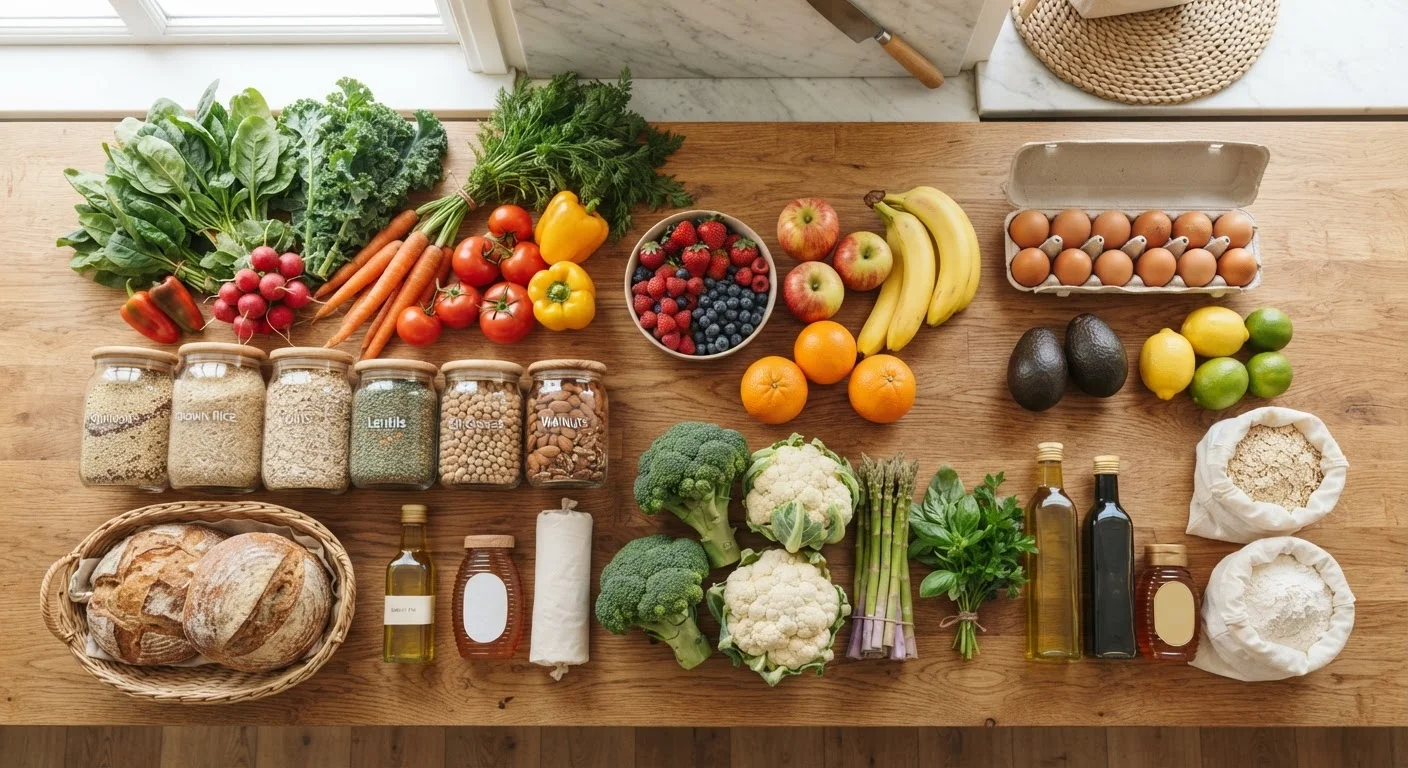
Photo credit: TopInfoTabs.com | Easy Insights For Inspiration
A practical checklist for building a weekly shop around nutritional balance — from store navigation to what to keep stocked at home.
Key Takeaways
- A structured grocery list built around food groups reduces impulse buys and nutritional gaps.
- Shopping the store perimeter first helps prioritize whole, minimally processed foods.
- Stocking pantry staples like legumes, whole grains, and canned fish supports nutritious meals all week.
- Reading nutrition labels helps you make informed choices rather than relying on front-of-pack claims.
- A weekly shop planned around flexible ingredients reduces food waste and decision fatigue.
Why Your Grocery Shop Is a Health Decision
The choices you make in the grocery store ripple through every meal you eat that week. A well-constructed shop doesn't require a strict diet philosophy or expensive specialty items - it requires a clear framework and a little advance thinking.
The noise around nutrition can make healthy eating feel complicated. In reality, the evidence consistently points to a few durable principles: eat a variety of whole foods, keep ultra-processed options as the exception rather than the rule, and make sure your kitchen is stocked with ingredients that make a balanced meal easy to put together. This checklist is designed to operationalize exactly that.
If you're also thinking about how to turn a good shop into a manageable week of meals, Meal Planning Without the Overwhelm pairs naturally with this guide. And if budget is a factor, Eating Well on a Tight Budget offers evidence-informed strategies for making every dollar count.
Before You Leave the House
Fresh Produce
Proteins
Whole Grains and Pantry Staples
Packaged and Processed Items
At the Checkout
Tools and Habits That Make the Shop Easier
A few low-effort habits can dramatically improve the quality and efficiency of your weekly shop. Coming prepared - with a list, a rough sense of the week's meals, and some label literacy - means fewer regrettable purchases and less food wasted by Friday.
Written grocery list (paper or app)
Keeps your shop focused, reduces forgotten items, and cuts down on impulse purchases.
Reusable bags
Practical for organizing purchases by category - cold items together, produce separate - and reduces single-use plastic.
Nutrition label reference guide
A quick reference (physical card or bookmarked article) helps decode % Daily Values and ingredient lists accurately.
Meal plan sketch (paper or notes app)
Even a rough outline of 3-5 dinners gives your shop a clear purpose and reduces mid-week ingredient gaps.
One underrated skill is knowing how to read nutrition panels beyond the headline numbers. Front-of-pack claims like "high protein" or "low fat" are marketing tools, not nutritional verdicts. For a practical breakdown, see our guide to reading nutrition labels - it covers serving sizes, daily value percentages, and what ingredient order actually tells you.
Front-of-Pack Claims Can Mislead
Labels like "natural," "light," or "multigrain" have no standardized legal definitions in most US contexts and are not reliable indicators of nutritional quality. Always turn the package over and check the full nutrition facts panel and ingredient list before deciding. Marketing language is designed to attract attention - the panel is where the actual information lives.
Finally, a consistent grocery routine supports more than just nutrition. When your kitchen is reliably stocked, you're also less likely to over-rely on takeout, which often means fewer unknowns in your diet. Pair a well-stocked fridge with a weekly movement routine and you've addressed two of the most evidence-backed pillars of everyday wellness.
This article is for general informational purposes only and is not a substitute for professional dietary or medical advice. Consult a registered dietitian or qualified healthcare provider for guidance tailored to your individual health needs.

Author
Health & Wellness Editorial Team
Health & Wellness Editorial Team is the collective byline for our editorial team and contributor network. Articles published under this byline or an editorial pen name are researched, written, and reviewed according to our editorial standards for clarity, consistency, and independence before publication.
View all articles →