
Sleep and Mental Health: The Two-Way Relationship Most People Underestimate
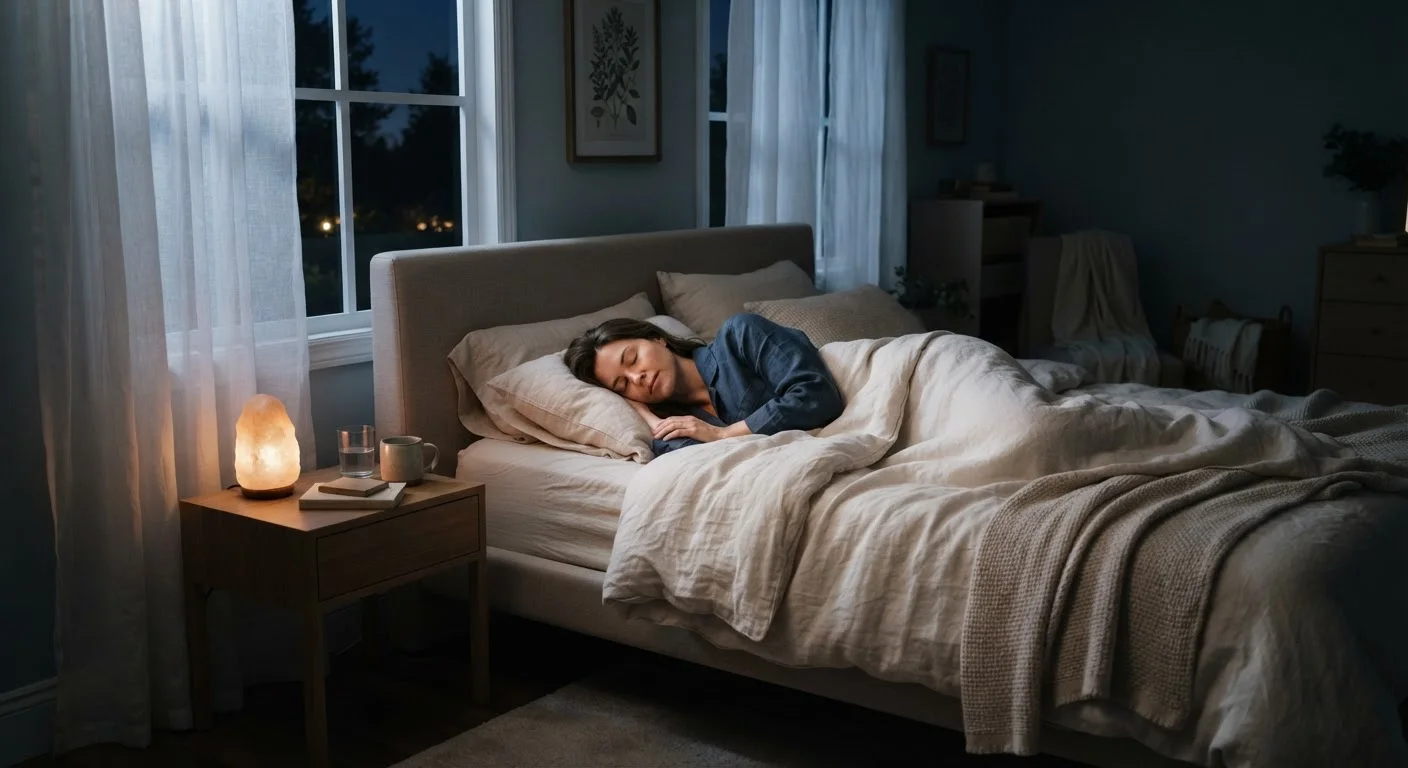
Photo credit: TopInfoTabs.com | Easy Insights For Inspiration
In this article
Poor sleep affects mood, and poor mental health disrupts sleep. This article explains the cycle and shares general strategies for addressing both sides.
Key Takeaways
- Sleep deprivation directly impairs emotional regulation, making stress and anxiety harder to manage.
- Mental health conditions like depression and anxiety are among the most common causes of chronic insomnia.
- Addressing sleep and mental health together is generally more effective than treating each in isolation.
- Simple daily habits - consistent sleep timing, limiting screens before bed - can meaningfully support both sides.
- Always consult a qualified healthcare professional before making changes to treatment for sleep or mental health concerns.
Why the Relationship Goes Both Ways
Most people have experienced what a bad night's sleep does to their mood - irritability, low motivation, a shorter fuse. What's less widely appreciated is that this is not a one-directional relationship. Mental health and sleep are in constant communication with each other, and disruption to one almost always reverberates into the other.
When you don't sleep enough, the brain's emotional processing centers become measurably more reactive. The prefrontal cortex - the region responsible for rational thinking and impulse control - becomes less effective at moderating the amygdala, which handles emotional responses. The result is a brain that is more vulnerable to stress, more prone to negative thinking, and less equipped to regulate difficult feelings.
Flip the equation, and the picture is equally clear. Anxiety can create racing thoughts that prevent the mind from winding down at bedtime. Depression is often accompanied by either hypersomnia (sleeping too much) or insomnia. Stress activates the body's cortisol response, which is incompatible with the physiological state needed for restful sleep. Neither side can be neatly cordoned off from the other.
Sleep and Mental Health in Special Populations
The relationship between sleep and mental health can be especially complex for children, older adults, pregnant individuals, and those managing chronic conditions or medications. General lifestyle guidance may not apply equally across all groups. If you or someone you care for falls into any of these categories, please consult a qualified healthcare professional rather than relying on general information.
What Research Tells Us - and Its Limits
A substantial body of research supports the bidirectional model of sleep and mental health. Studies have found that people with insomnia are significantly more likely to develop depression than those who sleep well, and that treating insomnia can reduce depressive symptoms even when depression itself isn't directly targeted.
~75%
of people with depression report sleep disturbances
Research consistently finds that sleep problems - including insomnia and hypersomnia - are among the most common symptoms associated with depressive disorders.
2x
increased risk of depression with chronic insomnia
Multiple longitudinal studies have found that people with persistent insomnia are approximately twice as likely to develop depression compared to those without sleep difficulties.
7-9 hrs
recommended nightly sleep for most adults
This range reflects widely cited public health guidance; individual needs vary and should be discussed with a healthcare provider.
It's worth being honest about the complexity here. Research in this area is ongoing, and while associations between poor sleep and worse mental health outcomes are well-established, the precise mechanisms are still being studied. Correlation does not always confirm causation, and individual experiences vary considerably. What's clear is that the two are deeply linked - and that treating them as separate silos is rarely effective.
For a broader look at how everyday habits intersect with mood and well-being, see our article on social media and mental health, which explores another area where popular headlines often outpace the nuance of the evidence.
Practical Strategies That Support Both Sleep and Emotional Resilience
Because sleep and mental health influence each other, habits that improve one tend to support the other. The following general approaches are widely recognized by sleep researchers and mental health professionals - though these are not prescriptions, and anyone dealing with persistent sleep or mental health difficulties should work with a qualified healthcare provider.
- Consistent sleep and wake times: Going to bed and waking up at roughly the same time daily - including weekends - helps stabilize the body's internal clock, which plays a direct role in mood regulation.
- Winding-down routines: A predictable pre-sleep routine signals to the nervous system that it's time to shift out of alertness. This can include dimming lights, reducing screen exposure, or quiet activities like reading.
- Movement during the day: Regular physical activity is associated with improved sleep quality and reduced symptoms of anxiety and depression. Timing matters - vigorous exercise very close to bedtime may be counterproductive for some people.
- Addressing rumination: Anxious or repetitive thinking at night is one of the most common sleep disruptors. Journaling, structured worry time earlier in the day, or speaking with a therapist can help interrupt this pattern.
Try 'Worry Time' to Protect Your Sleep
If anxious thoughts tend to surface at bedtime, setting aside a dedicated 15-minute 'worry window' earlier in the evening can help. Write down your concerns and any next steps, then consciously close that mental tab. Many people find this reduces the tendency for worries to intrude once the lights go out.
Cognitive Behavioral Therapy for Insomnia (CBT-I) is one of the most evidence-supported non-medication interventions available and has been shown to benefit mood alongside sleep. It's worth discussing with a healthcare provider if sleep difficulties are persistent.
This article is for general informational and educational purposes only and is not a substitute for professional medical or mental health advice. Always consult a qualified healthcare provider regarding any health concerns or before making changes to your care.
Frequently Asked Questions

Author
Health & Wellness Editorial Team
Health & Wellness Editorial Team is the collective byline for our editorial team and contributor network. Articles published under this byline or an editorial pen name are researched, written, and reviewed according to our editorial standards for clarity, consistency, and independence before publication.
View all articles →