
Where People Go Wrong When Trying to Eat More Vegetables
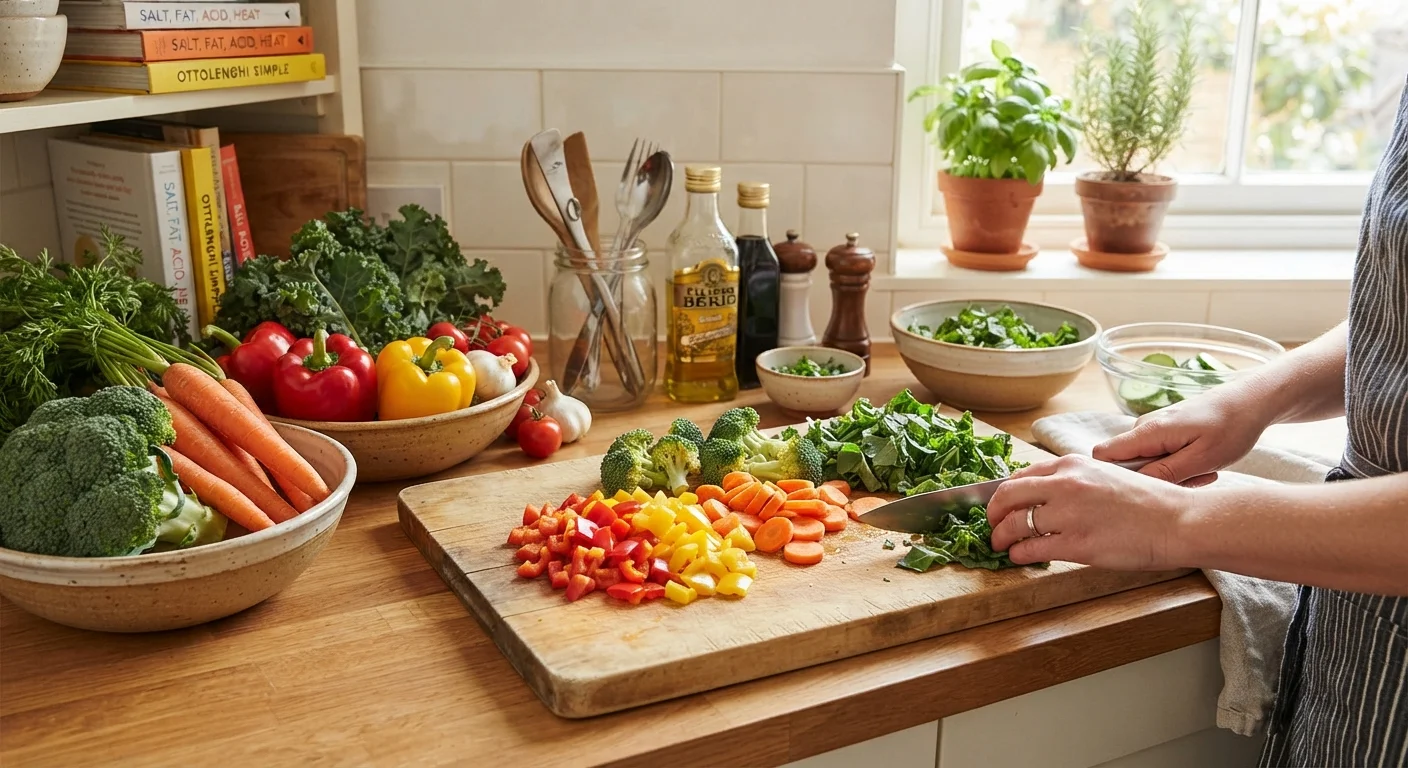
Photo credit: TopInfoTabs.com | Easy Insights For Inspiration
Buying more veg is the easy part. The real barriers are preparation, palatability, and habit — and they're more fixable than you think.
Key Takeaways
- Buying vegetables without a prep plan is the most common reason they end up in the trash.
- Relying solely on raw or steamed vegetables limits palatability - cooking method matters more than most people realize.
- All-or-nothing thinking is a major barrier; small, consistent additions outperform short-lived overhauls.
- Vegetables don't need to be center-stage - folding them into familiar dishes is often more sustainable.
- Habit formation, not willpower, is the engine behind lasting dietary change.
The Gap Between Buying and Actually Eating
Most people's vegetable problem isn't awareness - everyone knows vegetables are worth eating. The friction sits between the grocery bag and the plate. Understanding exactly where things break down is the first step toward fixing them.
Common barriers aren't about motivation or discipline. They're structural: poor planning, unappealing preparation, and habits that haven't yet formed. The good news is that each of these is genuinely addressable. For a broader perspective on why no single food - vegetables included - deserves to carry the full weight of your diet, see why overall eating patterns matter.
Buying vegetables with no prep plan in place.
Why it happens: People shop with good intentions but don't account for the time and effort required to wash, chop, and cook produce before it wilts.
Defaulting to bland preparation and then concluding you don't like vegetables.
Why it happens: Steamed or raw vegetables are often the default "healthy" approach, but without seasoning, fat, or heat to develop flavor, many vegetables taste flat or bitter.
Trying to overhaul your entire diet at once.
Why it happens: Health motivation often arrives in spikes, leading people to adopt ambitious plans that are unsustainable beyond a week or two. When the plan collapses, so does the habit.
Treating vegetables as a separate, joyless side obligation.
Why it happens: Many people mentally categorize vegetables as punishment food - something to endure rather than enjoy - which makes integration feel like a chore.
Buying too wide a variety before establishing a routine.
Why it happens: Inspired by a recipe haul or a market visit, people stock up on unfamiliar produce that requires specific preparation they haven't learned yet.
Building Habits That Stick
Short-term vegetable surges - triggered by a health scare, a new diet plan, or a January resolution - rarely translate into lasting change. Research on habit formation consistently shows that small, repeated behaviors embedded in existing routines outperform dramatic overhauls. The goal isn't a perfect week of eating; it's building patterns that compound over months.
~1 in 10
US adults meeting daily vegetable recommendations
CDC surveillance data has consistently found that only around one in ten American adults meets federal vegetable intake guidelines.
~30-40%
Of purchased produce wasted at home
Studies on household food waste suggest that a significant portion of fresh produce - often between 30 and 40 percent - is discarded without being eaten.
One reliable approach is addition rather than replacement: instead of overhauling your plate, find one or two regular meals where a vegetable fits naturally. Stir a handful of spinach into pasta sauce. Add roasted zucchini to a sandwich. These micro-additions accumulate without triggering the resistance that comes with wholesale change.
Vegetables are also one of the most reliable ways to increase dietary fiber - a nutrient most adults fall short on. If that angle resonates, our guide to dietary fibre covers the practical side in detail. And if you want a concrete weekly starting point, a well-structured grocery shop makes the habit far easier to sustain.
Dramatic Diet Overhauls Often Backfire
Suddenly and significantly increasing vegetable intake - particularly high-fiber varieties like legumes and cruciferous vegetables - can cause digestive discomfort in people not accustomed to them. A gradual increase allows the gut microbiome to adjust. If you have a digestive condition or are managing a chronic health issue, speak with a healthcare provider before making major changes to your diet.
This article is for general informational purposes only and is not a substitute for personalized nutrition or medical advice. Consult a qualified healthcare professional or registered dietitian for guidance specific to your health needs.

Author
Health & Wellness Editorial Team
Health & Wellness Editorial Team is the collective byline for our editorial team and contributor network. Articles published under this byline or an editorial pen name are researched, written, and reviewed according to our editorial standards for clarity, consistency, and independence before publication.
View all articles →