
Structured Routines vs. Flexible Schedules: What Works Better for Mental Health?
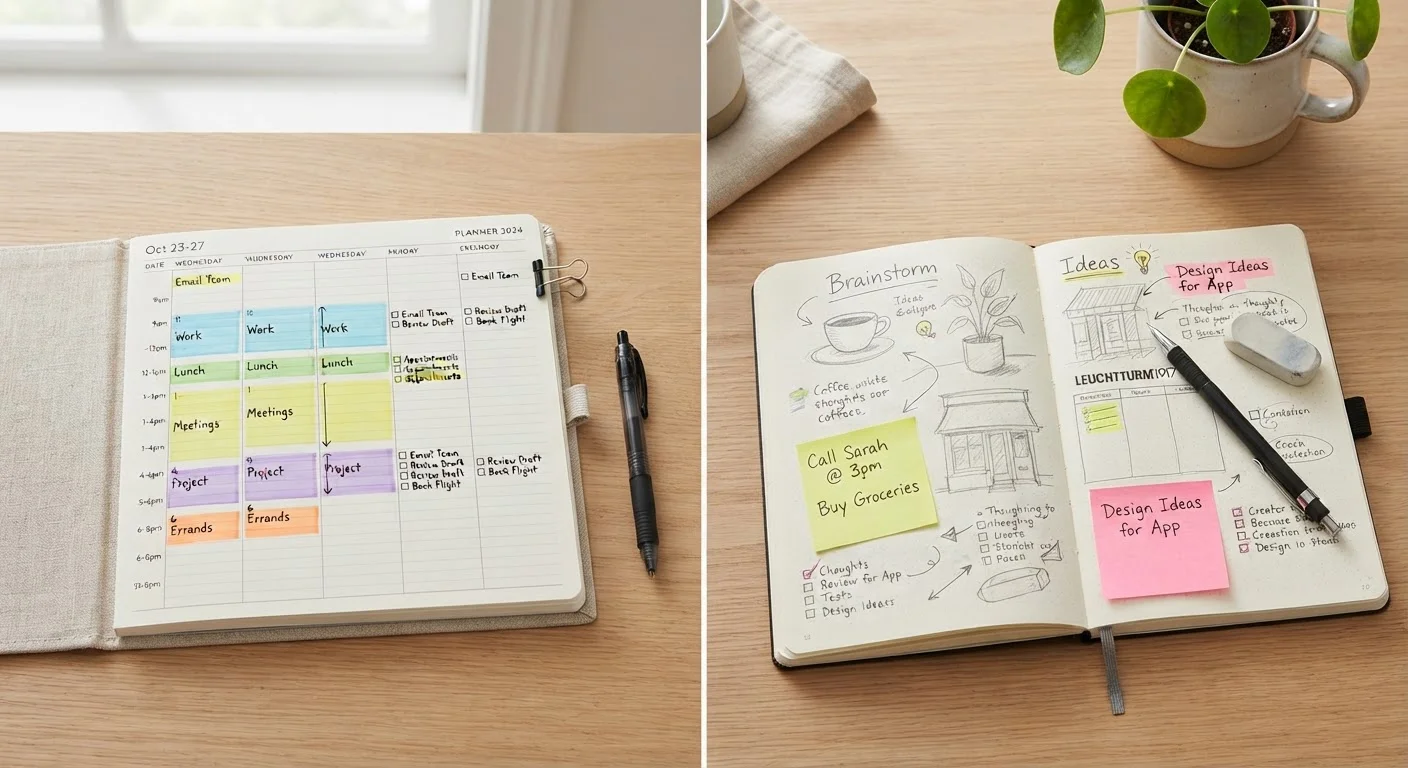
Photo credit: TopInfoTabs.com | Easy Insights For Inspiration
In this article
Rigid routines offer predictability; flexibility offers freedom. This comparison explores how each approach affects mood, stress, and daily functioning.
Key Takeaways
- Structured routines reduce decision fatigue and support mood stability, particularly for anxiety-prone individuals.
- Flexible schedules can lower stress and improve creativity, but require strong self-regulation to work effectively.
- Most people benefit from a hybrid approach - anchoring key daily habits while leaving room for spontaneity.
- Neither approach universally outperforms the other; personal temperament and life circumstances matter most.
- Small, consistent mental health habits can be built into either structure - the delivery method matters less than the habit itself.
Why Your Daily Schedule Affects Your Mental State
The way you organize your day isn't just a productivity choice - it's a mental health decision. Psychological research consistently links daily structure to improved mood regulation, reduced anxiety, and better sleep. At the same time, overly rigid schedules can create their own pressures, particularly for people whose lives demand adaptability.
The debate between structured routines and flexible schedules isn't really about which is objectively better. It's about understanding how each approach interacts with your nervous system, temperament, and circumstances. For context on how routine-building extends to other areas of life, the trade-offs of rigid daily habits in even simple choices like clothing can mirror what happens with time management.
This article is for general informational purposes and is not a substitute for professional mental health support. If you're managing a mental health condition, consult a qualified healthcare provider about what daily structure may be appropriate for you.
The Case for Structured Routines
A structured routine is a consistent, time-anchored schedule that repeats daily or weekly with minimal variation. Think fixed wake times, scheduled meals, and predictable work blocks. Research in behavioral psychology suggests that routine reduces the cognitive load of decision-making - a phenomenon often called decision fatigue.
For people managing anxiety or low-grade depression, predictability can function as a stabilizing force. When your brain knows what's coming next, it doesn't have to remain on alert. This can lower baseline cortisol levels and create a sense of safety that supports emotional regulation throughout the day.
Start With Sleep as Your Anchor
If you're building more structure into your day, sleep timing is the highest-leverage starting point. Waking at a consistent time - even on weekends - supports your circadian rhythm and can improve mood, energy, and focus within days. You don't need a fully planned schedule to benefit; just one reliable daily anchor can make a meaningful difference.
Structured schedules also tend to reinforce consistent sleep timing, which is among the most evidence-supported contributors to mood stability. Sleep regularity - going to bed and waking at similar times - is associated with better mental health outcomes across multiple studies.
That said, rigid routines can backfire. When life disrupts a tightly held schedule, the resulting stress can sometimes exceed what a looser approach would have caused. Perfectionism around routine is a real risk worth acknowledging.
The Case for Flexible Schedules
A flexible schedule deprioritizes fixed time slots in favor of task completion, energy levels, or spontaneous opportunity. Advocates argue this approach respects the natural rhythms of human energy - which don't always align neatly with a calendar.
Autonomy is a well-established psychological need. When people feel in control of how they spend their time, they tend to report higher satisfaction and lower burnout rates. Flexible scheduling can nurture that sense of agency, particularly in environments where creative or adaptive thinking is required.
| Structured Routines | Flexible Schedules | |
|---|---|---|
| Mood Stability | High - predictability reduces anxiety | Variable - depends on self-regulation |
| Decision Fatigue | Low - fewer daily micro-decisions | Higher - requires ongoing prioritization |
| Adaptability to Life Changes | Lower - disruptions cause more stress | Higher - built for variability |
| Sleep Consistency | Easier to maintain fixed sleep timing | Sleep timing can drift without anchors |
| Sense of Autonomy | Lower - time is pre-committed | Higher - control over pacing |
| Risk of Burnout | Moderate if too rigid | Moderate if no structure exists |
| Best Temperament Fit | Routine-seekers, anxiety-prone | Spontaneous, creative, high-autonomy |
The challenge is that flexibility without structure can slide into avoidance. Without clear anchors, tasks get postponed, sleep timing drifts, and the mental health benefits of consistency erode. This mirrors patterns explored in financial planning - different planning cycles work differently, and the same is true for time.
Building a Hybrid Approach That Actually Works
For most people, the healthiest daily framework sits between rigid structure and complete flexibility. The idea is to establish anchor habits - non-negotiable touchpoints that provide stability - while allowing the space between them to remain fluid.
Anchors might include a consistent wake time, a brief morning movement practice, and a wind-down ritual before bed. Everything between those markers can adapt to the day's demands. This framework preserves the mood-stabilizing effects of routine without the fragility of an over-scheduled day.
Brief daily mental health practices fit naturally into this model - they're small enough to survive even unpredictable days but consistent enough to build genuine emotional resilience over time.
When building your own hybrid schedule, consider starting with sleep and mealtimes as your anchors, then layering in one or two additional habits. Resist the urge to over-schedule. Leaving intentional white space in your day isn't a lack of discipline - it's a form of self-regulation.
~65%
Adults who report routine improves wellbeing
Surveys on habit and routine regularly find a majority of adults associate daily structure with better mood and reduced stress.
1 in 3
US adults not getting sufficient sleep
According to the CDC, about one-third of US adults report regularly sleeping less than the recommended seven hours, often linked to inconsistent daily schedules.
This article is for informational purposes only and does not constitute medical or mental health advice. Always consult a qualified healthcare professional for guidance specific to your needs.

Author
Health & Wellness Editorial Team
Health & Wellness Editorial Team is the collective byline for our editorial team and contributor network. Articles published under this byline or an editorial pen name are researched, written, and reviewed according to our editorial standards for clarity, consistency, and independence before publication.
View all articles →