
Personal Budgeting From Zero: A Grounded Starting Point
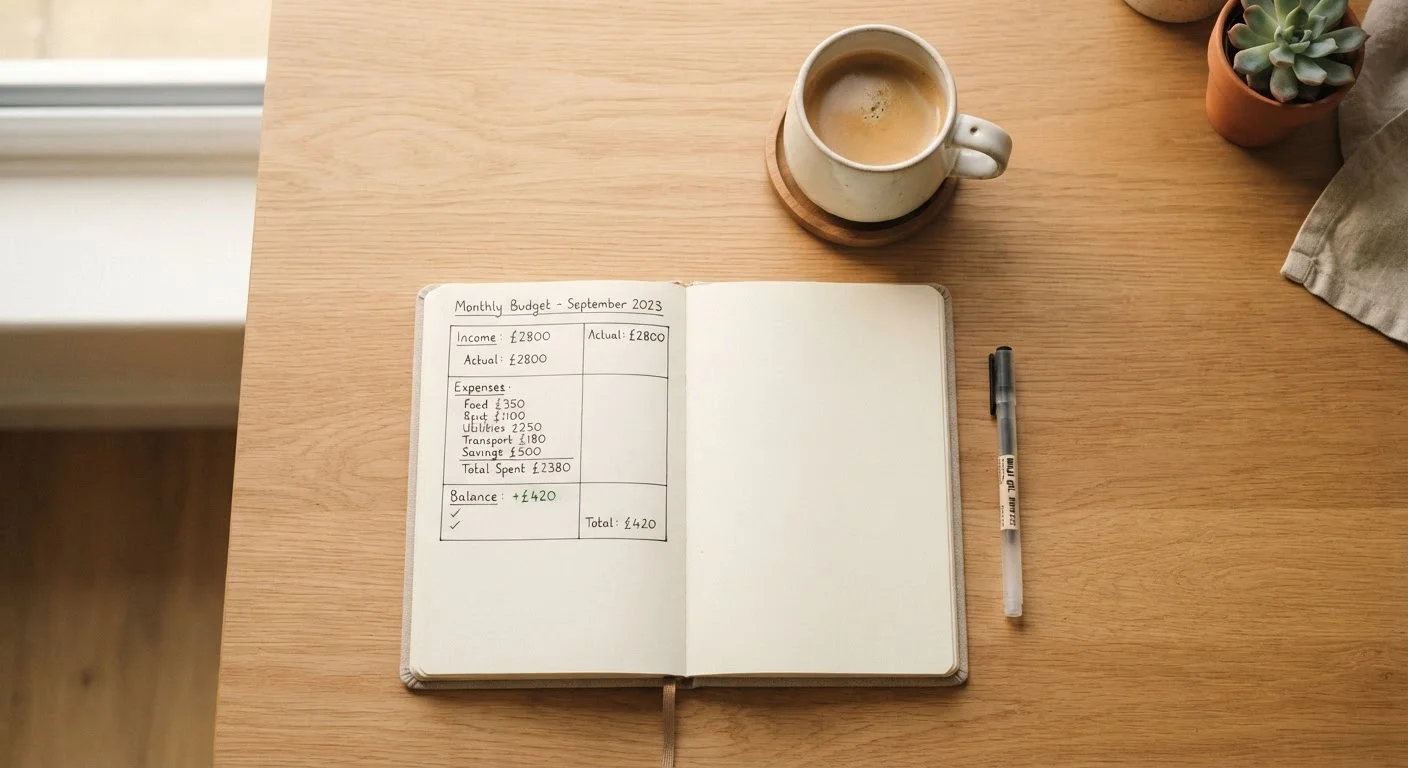
Photo credit: TopInfoTabs.com | Easy Insights For Inspiration
In this article
New to budgeting? Learn the core concepts, common frameworks, and first steps for taking control of your personal finances.
Key Takeaways
- A budget is simply a plan for how you'll use the money you already have.
- Knowing your net income and fixed expenses is the essential starting point.
- The 50/30/20 rule is a widely used, beginner-friendly framework for allocating income.
- No single budgeting method works for everyone - the best one is the one you'll actually use.
- Budgeting is a habit built gradually, not a problem solved once.
What Budgeting Actually Means
A budget is not a restriction - it's a decision made in advance about how you'll use your money. Instead of discovering at the end of the month where your paycheck went, a budget lets you direct it intentionally from the start.
At its core, every budget does one thing: compares the money coming in to the money going out. When those two sides are out of balance, you either run short or lose track of potential savings. A budget makes the imbalance visible so you can act on it.
This isn't about perfection. It's about awareness. Even a rough, imperfect budget gives you more financial clarity than having none at all. Most people who feel overwhelmed by personal finance aren't lacking discipline - they're lacking a clear picture of their numbers.
Key Concepts to Know Before You Begin
A few terms come up constantly in budgeting. Understanding them before you build your first budget saves confusion later. For a fuller reference, see the personal budgeting glossary covering everything from discretionary income to sinking funds.
Net income
The amount of money you actually receive after taxes and other deductions are taken out of your paycheck. This is the figure you should use as your budgeting starting point.
Fixed expenses
Costs that stay the same every month, such as rent, mortgage payments, or a car loan. They're predictable and usually non-negotiable in the short term.
Variable expenses
Spending that changes from month to month - like groceries, gas, or dining out. These are the categories most open to adjustment in a budget.
Discretionary income
Money left over after paying for essential needs. It's what you have available for wants, savings goals, or extra debt payments.
Cash flow
The movement of money in and out of your finances over a given period. Positive cash flow means more is coming in than going out.
Sinking fund
A savings category where you set aside a small amount each month for a known future expense - like a car repair, annual insurance premium, or holiday gifts.
Common Budgeting Frameworks
Several structured approaches have proven useful for everyday budgeting. No single method is universally superior - the right choice depends on your income type, spending habits, and how much detail you want to manage.
- 50/30/20 Rule: Allocate roughly 50% of net income to needs (housing, utilities, groceries), 30% to wants (dining, entertainment, subscriptions), and 20% to savings and debt repayment. It's a widely recognized starting framework, though your specific circumstances may call for different proportions.
- Zero-Based Budgeting: Every dollar of income is assigned a job - expenses, savings, or debt - until the remaining balance reaches zero. Nothing is left unaccounted for. It requires more effort but gives maximum visibility.
- Envelope Method: Cash or digital spending limits are divided into categories (envelopes). When an envelope is empty, spending in that category stops for the month. It's especially effective for discretionary categories that tend to creep over budget.
For a direct comparison of zero-based budgeting and the envelope method - including who each suits - see Zero-Based Budgeting vs. the Envelope Method.
Start Simple, Then Add Detail
When choosing a budgeting framework, pick the simplest one you'll actually maintain for two to three months. Complexity can come later once you've built the habit. A basic 50/30/20 split that you review monthly is far more effective than a detailed zero-based system you abandon after week two.
Your First Three Steps
Getting started doesn't require a spreadsheet or an app. It requires three pieces of information.
- Calculate your net monthly income. Add every reliable income source after taxes and deductions. If your income varies, use a conservative estimate based on your lower months.
- List your fixed expenses. These are amounts that don't change month to month - rent or mortgage, loan payments, insurance premiums. Subtract them from your net income first.
- Track your variable spending for one month. Groceries, gas, dining, subscriptions, and entertainment tend to fluctuate. One month of honest tracking - even just saving receipts - reveals your real baseline before you set targets.
Don't Budget From Gross Income
A common early mistake is calculating spending targets based on gross (pre-tax) income rather than net (take-home) income. This leads to budgets that look workable on paper but fall short in practice. Always start with the number that actually hits your bank account.
That's the foundation. From there, you assign what's left to savings goals and discretionary spending based on whichever framework fits your life. For more on stretching what you have while you're building your budget habit, budget stretching from first principles offers grounded guidance for deliberate spenders.
Where to Go From Here
Building a budget is the first step in a longer financial journey. Once you have a working monthly budget, related areas worth exploring include saving and investing - because a budget that includes a savings target, however modest, begins building long-term financial stability. The Saving & Investing hub is a useful next destination.
If managing existing debt is part of your picture, the Debt & Credit hub covers credit scores, responsible borrowing, and debt repayment strategies in plain language. And if you're starting to think about credit alongside your budget, Building Credit From Zero is a practical companion read.
For readers ready to go deeper, Personal Budgeting: The Complete Framework from Income to Savings walks through every stage of building and maintaining a budget over time.
The most important thing right now: start with what you know. A simple, honest look at income and expenses - however rough - is a more powerful starting point than waiting until you feel ready.
This article is for general informational and educational purposes only and does not constitute personalized financial advice. Consult a qualified financial professional for guidance specific to your situation.
Frequently Asked Questions

Author
Money & Finance Editorial Team
Money & Finance Editorial Team is the collective byline for our editorial team and contributor network. Articles published under this byline or an editorial pen name are researched, written, and reviewed according to our editorial standards for clarity, consistency, and independence before publication.
View all articles →