
Where Your Money Actually Goes: Understanding Spending Categories
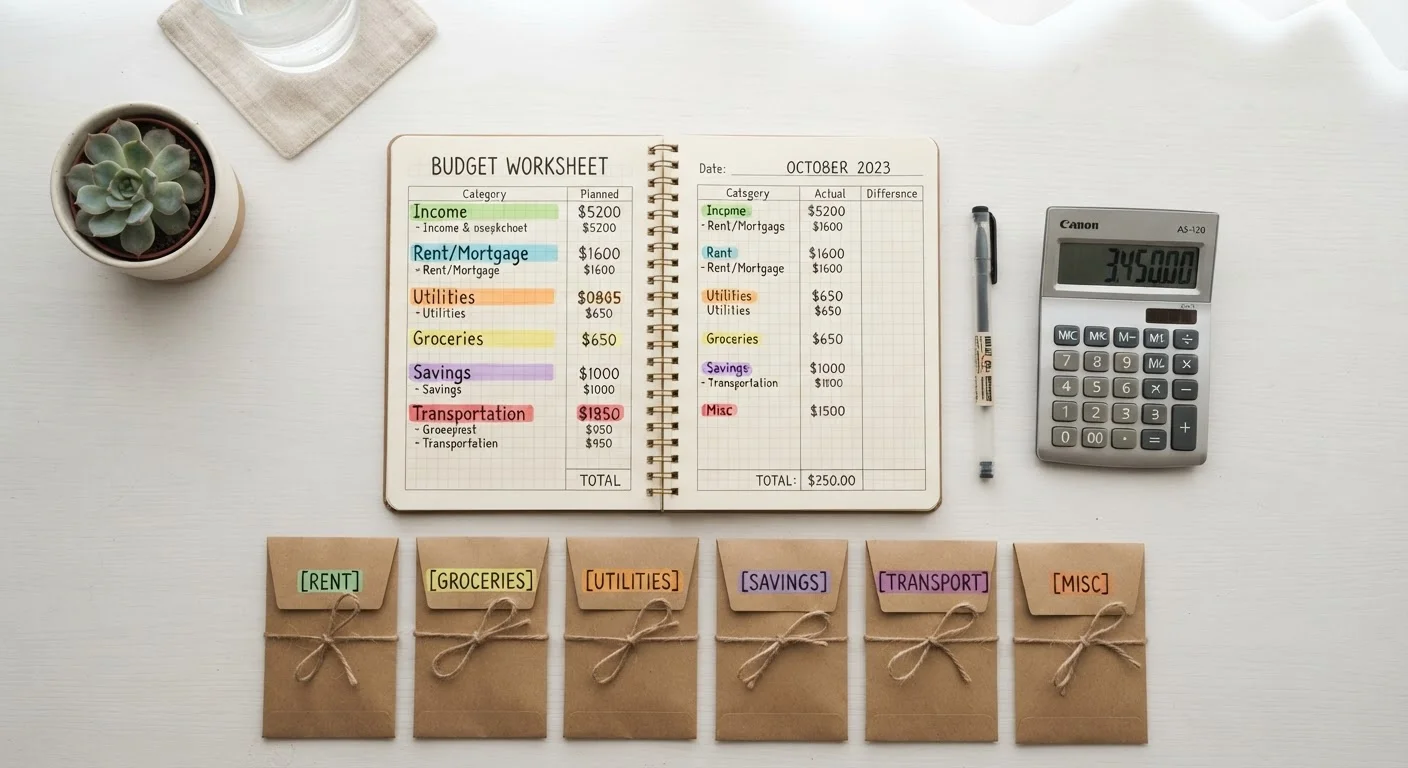
Photo credit: TopInfoTabs.com | Easy Insights For Inspiration
In this article
A clear breakdown of fixed, variable, and discretionary spending categories and why knowing the difference matters for your budget.
Key Takeaways
- Fixed expenses stay the same each month and are the easiest to plan around.
- Variable necessary expenses fluctuate but still cover essential needs like groceries and utilities.
- Discretionary spending is optional and the most flexible lever in any budget.
- Categorizing your spending reveals patterns that raw totals can hide.
- The 50/30/20 framework is a practical starting point for organizing spending categories.
- Understanding category types helps you make smarter trade-offs without eliminating everything enjoyable.
The Three Core Spending Category Types
Every expense in your life fits into one of three fundamental categories: fixed, variable necessary, or discretionary. Understanding the distinction matters because each type responds differently when you need to adjust your budget.
Fixed Expenses
Fixed expenses are predictable - the same dollar amount is due on roughly the same date every month. Rent or mortgage payments, car loan installments, renter's or homeowner's insurance premiums, and minimum debt payments are classic examples. Because the amount does not change, fixed costs are the easiest to plan for and the hardest to reduce quickly. Lowering them typically requires a significant life change, such as refinancing a loan or moving to a less expensive home.
Variable Necessary Expenses
These are expenses you cannot skip, but the amount fluctuates. Groceries, electricity, water, and gas for your vehicle fall here. You need food every month, but how much you spend depends on your choices, household size, and even the season. This variability makes them a realistic area for adjustment - buying store brands, meal planning, or reducing thermostat use can meaningfully shift these numbers without sacrificing the underlying need.
Discretionary Expenses
Discretionary spending is optional. Dining out, streaming services, concert tickets, and clothing beyond what you need are all discretionary. This category is not inherently wasteful - spending money on things you enjoy is a legitimate part of financial well-being - but it is the most flexible lever you have. When building or tightening a budget, discretionary expenses are typically the first area to examine.
For a deeper look at the terminology around these categories, see the glossary of personal budgeting terms in our budgeting basics series.
33%
Average share of income spent on housing
According to the U.S. Bureau of Labor Statistics Consumer Expenditure Survey, housing consistently represents the largest single spending category for American households.
50/30/20
Classic needs/wants/savings budget split
This widely referenced framework suggests allocating after-tax income across three macro spending buckets as a general starting guideline, not a guaranteed formula.
~13%
Share of spending on food (at home + away)
The BLS Consumer Expenditure Survey shows food as the second or third largest household expenditure category for most American consumer units.
Why Category Clarity Changes Your Budget
Most people who feel like their money "just disappears" are not overspending in one dramatic category - they are losing small amounts across many categories they have never explicitly named. Categorization makes the invisible visible.
When you assign every transaction to a category, two things happen. First, you see the true cost of lifestyle choices that felt minor in isolation. A daily coffee, a handful of app subscriptions, and frequent impulse purchases may each feel insignificant; grouped as discretionary spending, their combined weight becomes clear. Second, you gain a framework for making trade-offs rather than making across-the-board cuts. If you know that dining out represents your largest discretionary category but also provides genuine value in your life, you can protect it while reducing spending in categories that matter less to you.
“A budget is telling your money where to go instead of wondering where it went.”
— Dave Ramsey, Personal finance author and radio host
This is also how the 50/30/20 budgeting rule creates structure. By sorting your individual spending categories into three macro buckets - needs, wants, and savings or debt repayment - you can assess whether your overall allocation is roughly in balance. The percentages are guidelines, not rigid rules; someone carrying significant debt or living in a high cost-of-living area may need to adjust the ratios. For general information on growing savings alongside your budget, the Saving & Investing hub is a useful companion resource.
Putting Categories to Work in Your Own Budget
The practical starting point is a spending audit: gather one to three months of bank and credit card statements and assign each transaction to a category. Common categories include housing, transportation, food (split into groceries and dining out, if useful), utilities, health care, personal care, entertainment, savings, and debt repayment.
Start with Three Months of Data
A single month of transactions is rarely representative - it may include an unusual expense or miss a recurring one. Reviewing two to three months before setting category targets gives you a more accurate baseline and helps you spot seasonal variation in variable expenses.
Once you have a month or two of categorized data, look for three things:
- Category totals relative to income. Are your fixed costs consuming more than half your take-home pay before you have addressed savings or want-based spending?
- Volatility in variable categories. Which months spike and why? Seasonal utilities, irregular grocery trips, or a recurring annual subscription showing up can all distort a single month's picture.
- Discretionary distribution. Is your optional spending concentrated in areas that genuinely bring value, or spread thinly across forgettable purchases?
From there, you can set intentional targets for each category rather than simply tracking after the fact. This moves budgeting from passive observation to active decision-making - which is where real progress tends to happen.
Once your categories are clear, the next question is how to track them consistently. Our article on tracking spending by hand vs. using a budgeting app walks through both approaches in a balanced way. And if you are ready to connect your spending patterns to a longer-term savings plan, see our piece on building a personal savings strategy around your spending patterns.
One category worth treating with particular care: your emergency fund. It is not discretionary, and it does not belong inside the same envelope as regular savings goals. The emergency funds explained article covers why financial planners treat this as a separate, non-negotiable priority.
This article is for general informational and educational purposes only and does not constitute personalized financial, tax, or legal advice. Consult a qualified financial professional for guidance specific to your circumstances.
Frequently Asked Questions

Author
Money & Finance Editorial Team
Money & Finance Editorial Team is the collective byline for our editorial team and contributor network. Articles published under this byline or an editorial pen name are researched, written, and reviewed according to our editorial standards for clarity, consistency, and independence before publication.
View all articles →