
Signs Your Pet's Coat Is Telling You Something
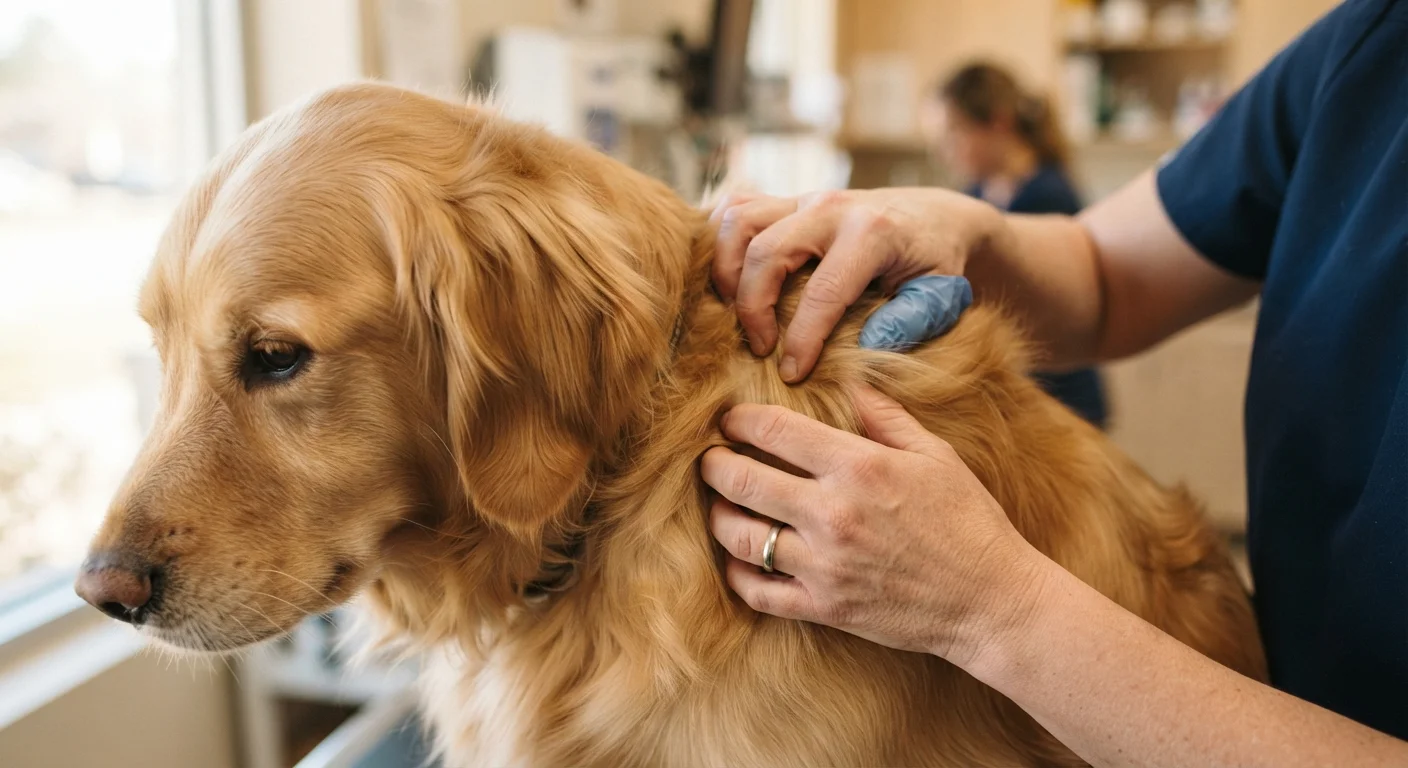
Photo credit: TopInfoTabs.com | Easy Insights For Inspiration
In this article
Dull fur, excessive shedding, and bald patches can signal nutritional gaps or health issues. Here's what different coat changes may indicate.
Your Pet's Coat as a Health Indicator
A shiny, smooth coat isn't just about good looks - it's one of the most reliable external signals of what's happening inside your pet's body. Changes in texture, density, color, or smell can reflect everything from nutritional deficiencies to hormonal imbalances to skin infections. Learning to recognize what's normal for your individual pet makes it far easier to spot when something has shifted.
This isn't about achieving a show-ring shine. It's about understanding that coat changes are often early warning signs that deserve attention rather than a wait-and-see approach. The guide below covers the most common coat signals and what they may indicate - though any persistent or worsening change should be evaluated by a veterinarian. You can also pair this awareness with reading your pet's broader physical cues; see what your pet's body language is actually telling you for a fuller picture.
| Primary coat health indicator | Shine, density, and texture |
| Common nutritional contributors | Omega-3/6 fatty acids, quality protein, hydration |
| Seasonal shedding | Normal in most dogs and cats; unusual patterns warrant review |
| Alopecia causes | Fungal infection, mites, hormonal imbalance, allergies, self-trauma |
| When to see a vet | Changes persisting 2-3+ weeks or accompanied by other symptoms |
| Coat odor | Often a sign of skin infection or imbalance, not just poor hygiene |
Common Coat Changes and What They May Signal
Not every coat change points to a serious problem, but each one is worth understanding in context.
Dull or Lackluster Fur
A coat that has lost its sheen is one of the most common complaints veterinarians hear. Possible contributing factors include inadequate dietary fat intake, low-quality protein sources, dehydration, or internal parasites. Omega-3 and omega-6 fatty acids play a particularly important role in skin and coat health. A diet change, recent illness, or even prolonged stress can temporarily dull the coat. If dietary factors seem ruled out, thyroid dysfunction is another possibility worth discussing with your vet.
Excessive or Unusual Shedding
Seasonal shedding is normal for most dogs and cats, but shedding that seems heavy year-round, or that begins suddenly outside of a normal seasonal pattern, may reflect hormonal changes, nutritional gaps, or an underlying health issue such as Cushing's disease or hypothyroidism. Stress - including changes in environment or household routine - can also trigger increased shedding. Consider whether any significant changes preceded the shift. For more on how stress shows up physically and behaviorally, see signs of mental distress in pets.
Bald Patches or Thinning Areas
Localized hair loss - called alopecia - can result from ringworm (a fungal infection), mange (caused by mites), allergic reactions, or self-trauma from scratching or over-grooming. Symmetrical thinning on both sides of the body may point more toward hormonal causes than a skin-surface problem. Bald patches warrant prompt veterinary evaluation because causes vary widely and treatment depends entirely on the underlying diagnosis.
Greasy, Flaky, or Odorous Coat
A coat that feels greasy to the touch, produces visible flakes, or carries an unusual odor often indicates a skin condition such as seborrhea, a yeast or bacterial skin infection, or a disrupted skin barrier. These signs can also accompany dietary imbalances or poor gut health. Persistent skin odor is not simply a hygiene issue - it's frequently a symptom that warrants a veterinary skin assessment.
Alopecia
The partial or complete absence of hair in areas where it would normally grow. In pets, it can result from infection, parasites, hormonal disorders, or self-trauma, and requires veterinary diagnosis to determine the cause.
Seborrhea
A skin condition characterized by abnormal production of sebum, the skin's natural oil. It can cause a greasy or scaly coat and is often secondary to an underlying health issue.
Porphyrin Staining
Reddish-brown discoloration caused by iron-containing compounds in tears, saliva, and other secretions. Common around the eyes, muzzle, and paws, especially in lighter-coated animals.
Omega Fatty Acids
Essential dietary fats - particularly omega-3 and omega-6 - that support skin barrier function, reduce inflammation, and contribute to coat luster. They cannot be produced by the body in sufficient quantities and must come from diet.
Mange
A skin disease caused by parasitic mites that burrow into or live on the skin. It typically causes intense itching, hair loss, and skin irritation, and is diagnosed and treated by a veterinarian.
Color Changes in the Fur
Reddish-brown staining around the paws, eyes, or mouth - known as porphyrin staining - is common and generally benign, though excessive staining may point to allergies or chronic licking. Generalized coat color fading in cats can be associated with nutritional deficiencies, particularly tyrosine, which is a precursor to the pigment melanin. Always consider age as a factor, but don't dismiss color changes as purely cosmetic without veterinary input. For context on distinguishing aging from health concerns, see why aging assumptions can be misleading.
When to Act and What to Bring to the Vet
A single off day doesn't necessarily signal a problem, but patterns matter. If a coat change persists beyond two to three weeks, worsens, or is accompanied by other symptoms - weight loss, changes in appetite, increased thirst, or behavioral shifts - a veterinary appointment is the appropriate next step. Overall health monitoring, including weight and body condition, gives your vet important context; tracking your pet's body condition is a useful companion practice.
When you visit, note when the change began, any recent dietary or environmental changes, and whether you've observed scratching, licking, or other related behaviors. Photos taken over time can also help a vet track progression. The coat is a tool for communication - learning its language is part of being an informed, proactive pet owner.
This article provides general health information for educational purposes only and is not a substitute for professional veterinary advice, diagnosis, or treatment. Always consult a licensed veterinarian for concerns about your pet's health.

Author
Pets & Animals Editorial Team
Pets & Animals Editorial Team is the collective byline for our editorial team and contributor network. Articles published under this byline or an editorial pen name are researched, written, and reviewed according to our editorial standards for clarity, consistency, and independence before publication.
View all articles →