
Why 'My Pet Is Just Getting Old' Can Be a Dangerous Assumption
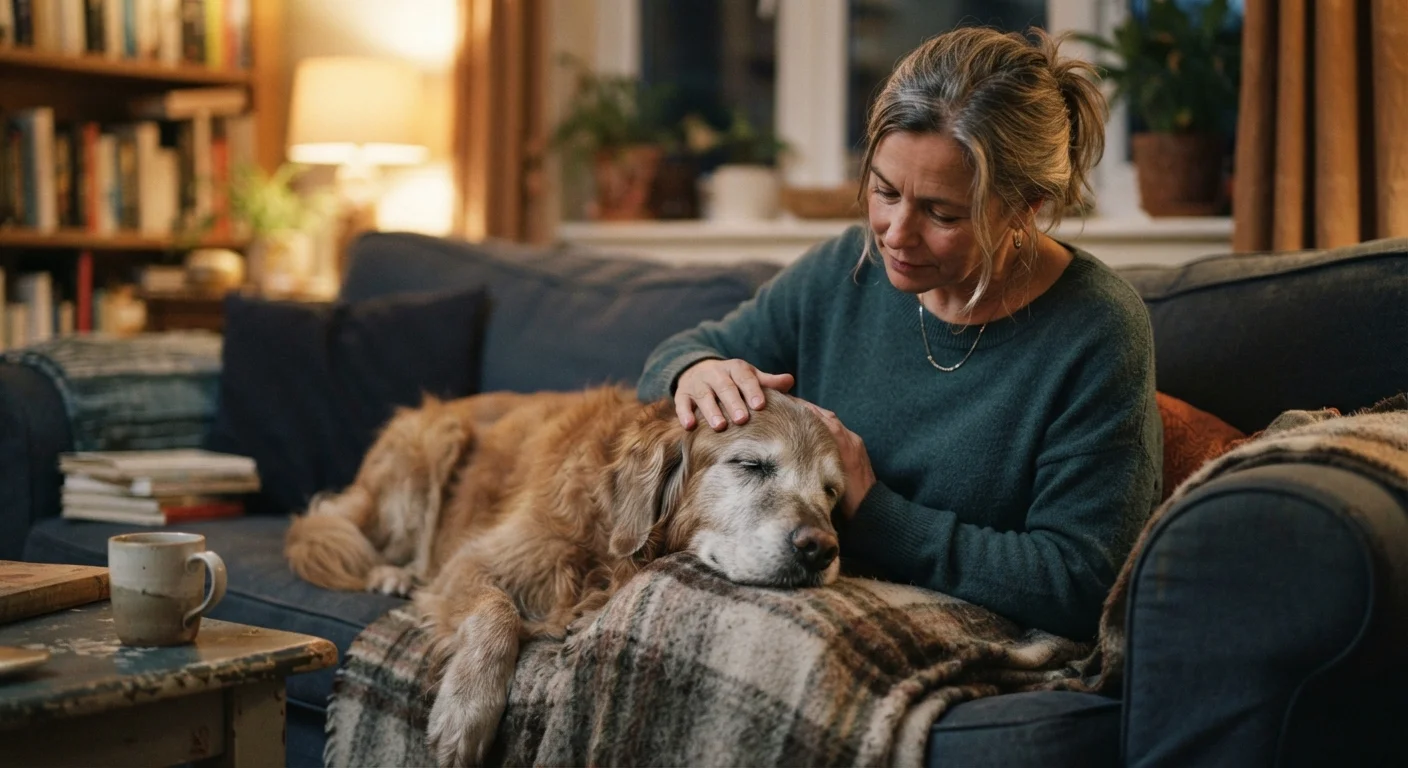
Photo credit: TopInfoTabs.com | Easy Insights For Inspiration
In this article
Slowing down, weight loss, and changed appetite aren't always just aging. Here's how to tell the difference between normal aging and a health concern.
Key Takeaways
- Age alone doesn't explain all behavioral or physical changes in pets.
- Gradual symptom onset makes illness easy to mistake for normal aging.
- Conditions like arthritis, thyroid disease, and dental pain are treatable at any age.
- Regular wellness exams help catch health issues before they become serious.
- Tracking changes in appetite, mobility, and behavior gives vets crucial diagnostic context.
The Hidden Cost of Attributing Everything to Age
When a dog starts sleeping more or a cat becomes pickier about food, the instinct for many owners is reassurance: "She's just getting older." It's a kind thought - and sometimes accurate. But this assumption carries a real risk. Genuine aging does change pets, but so do pain, disease, and organ dysfunction. The two can look nearly identical from across the living room.
Veterinary professionals frequently see cases where treatable conditions - dental disease, hypothyroidism, early kidney disease, osteoarthritis - have gone unaddressed for months because owners interpreted the signs as inevitable decline. The consequences range from prolonged discomfort to shortened life expectancy. Understanding where normal aging ends and illness begins is one of the most practical things a pet owner can do.
This article is for general informational purposes only and does not replace advice from a licensed veterinarian. Always consult a vet about your individual pet's health.
Dismissing gradual symptom onset because it developed slowly over months.
Why it happens: Owners see their pets every day, making incremental changes nearly invisible. A slow decline in mobility or appetite doesn't trigger the alarm that a sudden change would.
Skipping vet visits because the pet "seems fine for their age."
Why it happens: Owners often base wellness on outward energy and demeanor, which can appear normal even as internal organ function declines. Cost and the stress of transport also discourage routine visits.
Attributing weight loss automatically to a reduced appetite from old age.
Why it happens: It's true that some older pets eat less. But owners often stop questioning it once they've found a plausible explanation, even when the weight loss is clinically significant.
Interpreting reduced mobility or reluctance to jump as inevitable arthritis without seeking a diagnosis.
Why it happens: Arthritis is common in older pets, so owners often assume it's the cause without a formal assessment. This can delay detection of other conditions - including spinal problems, tumors, or injury - that look similar.
Overlooking increased thirst and urination as "just how older pets are."
Why it happens: Changes in drinking and bathroom habits are easy to normalize, especially in dogs. Owners may notice but assume it's benign without realizing these are key diagnostic signals.
What Healthy Senior Pets Actually Look Like
Healthy aging in pets is real. Senior dogs and cats do sleep more, move a little slower, and may play with less intensity than they did at two years old. A gradual, modest reduction in activity level over years - without other signs - can be within the range of normal. What is not normal: sudden or accelerating changes, significant weight loss or gain, changes in thirst or urination patterns, new lumps, persistent coughing, or obvious signs of pain.
Coat condition is one underused indicator. Changes in your pet's coat - dullness, patchy shedding, or a greasy texture - can reflect nutritional deficiencies or systemic illness rather than age. Similarly, behavioral shifts like withdrawal, new anxiety, or unexplained aggression may point to pain or cognitive changes that are distinct from typical slowing down. For a closer look at those behavioral signals, see our article on mental distress signs that are easy to overlook.
Don't Wait on These Signs
Rapid or unexplained weight loss, significantly increased thirst, labored breathing, collapse, or sudden behavioral changes are not signs to monitor at home. These warrant prompt veterinary attention - contact your vet or an emergency animal clinic as soon as possible rather than scheduling a routine visit.
Weight changes deserve particular attention. Both unexpected weight loss and gradual weight gain in older pets can signal underlying conditions. Body condition scoring - assessing rib coverage and waistline - gives you a reliable baseline to track over time and share with your vet.
Building Better Habits Around Senior Pet Health
The most reliable safeguard against the dangerous assumption is consistent veterinary care. Most veterinary associations recommend twice-yearly wellness exams for pets considered senior - typically dogs and cats aged seven and older, though this varies by species and breed size. These visits establish baselines for bloodwork, weight, and organ function that make early detection possible.
~50%
Senior pets with undetected health conditions
Veterinary studies suggest roughly half of senior pets examined have at least one previously undetected health condition, many of which are manageable when caught early.
2x/year
Recommended vet visits for senior pets
Most veterinary organizations recommend biannual wellness exams for pets aged seven and older to enable earlier detection of age-related conditions.
Between vet visits, owners play an important role. Keeping an informal log - noting changes in appetite, water intake, sleep patterns, mobility, or litter box habits - gives your veterinarian concrete information rather than a general sense that something feels "off." Specific observations like "she's been drinking noticeably more water for three weeks" are far more actionable than "she seems slower lately."
Senior pets also benefit from environmental adjustments that support comfort without masking symptoms. Ramps, orthopedic bedding, and raised food bowls can ease daily life for an arthritic pet - but they should complement veterinary assessment, not replace it. Managing a pet's weight through appropriate nutrition is another area where proactive habits matter; the contributing factors behind pet obesity are worth understanding for owners of any senior animal.
Aging pets deserve every bit as much investigative care as younger ones. The assumption that decline is inevitable can cost them months of comfortable, treated life - and cost you the chance to intervene when it matters most.

Author
Pets & Animals Editorial Team
Pets & Animals Editorial Team is the collective byline for our editorial team and contributor network. Articles published under this byline or an editorial pen name are researched, written, and reviewed according to our editorial standards for clarity, consistency, and independence before publication.
View all articles →