
Annual Vet Visits vs. As-Needed Appointments: What Preventive Care Actually Covers
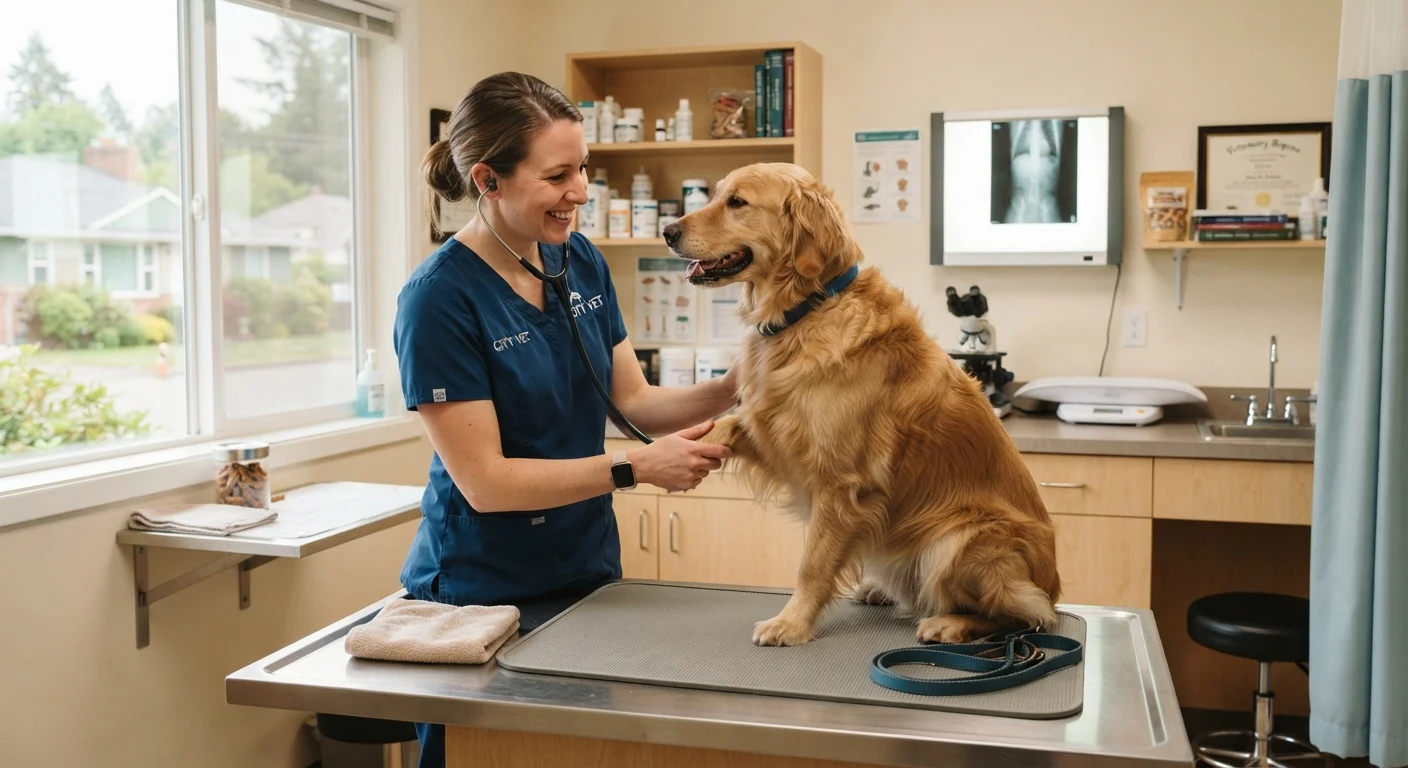
Photo credit: TopInfoTabs.com | Easy Insights For Inspiration
In this article
Understand what routine wellness exams include compared to reactive care, and why the distinction matters for your pet's long-term health.
Key Takeaways
- Annual wellness exams include physical assessments, vaccine updates, parasite screening, and health baseline tracking.
- As-needed visits focus on diagnosing and treating a specific symptom or acute problem - they do not replace routine care.
- Many serious conditions in pets develop gradually and show no obvious signs until advanced, making annual monitoring valuable.
- Combining both visit types gives pets the most comprehensive long-term health coverage.
- Veterinary guidance on visit frequency may differ based on a pet's age, species, breed, and health history.
What a Routine Wellness Exam Actually Includes
An annual wellness visit is far more than a check-in. A veterinarian typically conducts a nose-to-tail physical examination that covers the eyes, ears, teeth, skin, coat, lymph nodes, heart, lungs, abdomen, joints, and body weight. This structured assessment gives the veterinary team a documented baseline - a reference point against which future exams are measured.
In addition to the physical exam, annual visits typically include:
- Vaccination updates based on the pet's lifestyle and regional disease risks
- Parasite screening and prevention - including heartworm testing and fecal checks for intestinal parasites
- Nutritional and weight assessment
- Dental health evaluation
- Age-appropriate bloodwork to screen for organ function, thyroid levels, and other internal markers
For owners building out their overall approach to pet care, the First-Time Owner's Foundation guide covers how wellness exams fit alongside nutrition, exercise, and other daily care priorities. Preparing for these visits also matters - a pre-appointment health checklist can help owners track symptoms and questions so nothing gets overlooked.
| Criterion | Annual Wellness Visits | As-Needed Appointments |
|---|---|---|
| Purpose | Proactive health monitoring | Diagnosing a specific problem |
| Exam scope | Full nose-to-tail physical | Focused on presenting complaint |
| Vaccines & preventives | Reviewed and updated | Generally not addressed |
| Bloodwork / screening | Often included or recommended | Only if relevant to the issue |
| Health baseline tracking | Central to the visit | Not a primary goal |
| Timing | Scheduled at regular intervals | Triggered by a symptom or injury |
| Ideal for early detection | Yes - structured for it | Only incidentally |
The Role and Limits of As-Needed Visits
As-needed appointments are reactive by design. When a pet vomits repeatedly, limps unexpectedly, scratches excessively, or shows any sudden behavioral shift, a targeted visit allows a veterinarian to diagnose and treat the specific issue at hand. These visits are essential - they are not a failure of preventive care, but a necessary complement to it.
What as-needed visits generally do not include is a comprehensive health review. A veterinarian focused on diagnosing an ear infection, for example, is not conducting a full physical assessment, updating vaccine records, or running a wellness bloodwork panel. Owners sometimes assume that frequent sick visits make scheduled wellness exams redundant. Veterinary professionals generally do not support this view, because reactive care and preventive care serve different clinical purposes.
~70%
Pets showing signs of dental disease by age 3
The American Veterinary Medical Association notes dental disease is among the most common conditions found during routine exams, often before owners notice symptoms.
2x
Recommended exam frequency for senior pets
Most veterinary guidelines suggest cats and dogs in their senior years benefit from wellness exams every six months rather than annually.
Certain health conditions - kidney disease, early dental disease, thyroid dysfunction, and some cancers - can progress significantly before producing symptoms noticeable to owners at home. Routine exams are specifically designed to detect these early signs. The home grooming practices owners perform between visits can also surface early warning signs, such as lumps, skin changes, or unusual coat texture, that warrant a prompt call to a veterinarian.
How Visit Frequency Should Be Tailored to Your Pet
The standard "once a year" guideline is a useful starting point, but individual animals often need more personalized scheduling. Veterinarians typically recommend more frequent wellness exams for:
- Senior pets - often every six months for dogs and cats over seven to ten years of age
- Pets with chronic conditions such as diabetes, heart disease, or allergies
- Young animals in their first year of life, who require a series of puppy or kitten visits for vaccinations and early development monitoring
- Certain breeds with known predispositions to heritable conditions
Think of scheduling preventive vet care the way attentive owners approach other recurring maintenance tasks - structured intervals prevent larger problems down the line. The decision around spaying and neutering is one example of a health topic best discussed during a scheduled wellness visit, where there is time for a thorough conversation rather than a quick sick-visit exchange.
When to Contact a Vet Immediately
Some symptoms should not wait for a scheduled appointment: difficulty breathing, collapse, severe vomiting or diarrhea, suspected poisoning, eye injuries, or seizures are all emergencies. Contact your veterinarian or a 24-hour emergency animal hospital right away if you observe any of these signs. Preventive care and emergency care address very different levels of urgency, and recognizing that distinction can be critical.
This article provides general health information for educational purposes only and is not a substitute for professional veterinary advice. Always consult a licensed veterinarian for guidance specific to your pet's health, species, age, and medical history.

Author
Pets & Animals Editorial Team
Pets & Animals Editorial Team is the collective byline for our editorial team and contributor network. Articles published under this byline or an editorial pen name are researched, written, and reviewed according to our editorial standards for clarity, consistency, and independence before publication.
View all articles →