
Spaying and Neutering: Weighing the Long-Term Health Implications
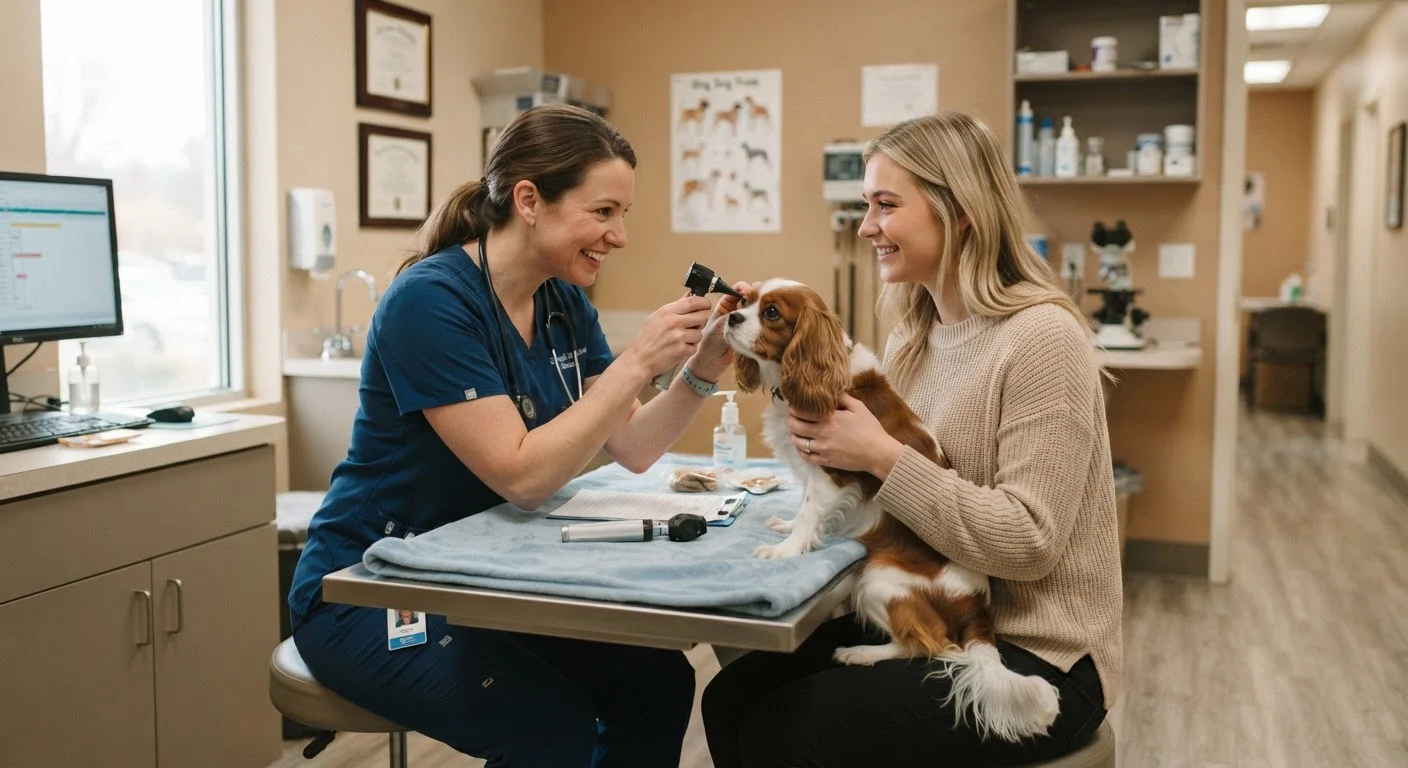
Photo credit: TopInfoTabs.com | Easy Insights For Inspiration
In this article
A balanced review of the health benefits and potential risks associated with spaying and neutering, drawing on current veterinary understanding.
Key Takeaways
- Spaying and neutering reduces the risk of several reproductive cancers and eliminates certain hormone-driven diseases.
- Emerging research suggests timing of the procedure may affect joint health and certain cancer risks, particularly in large-breed dogs.
- The decision involves trade-offs that vary by species, breed, sex, and individual health profile.
- A veterinarian familiar with your pet is the right person to guide timing and whether the procedure is appropriate.
- Post-procedure weight management is an important consideration, as altered pets may have lower caloric needs.
Eliminates pyometra risk in females entirely
Pyometra is a severe, potentially fatal uterine infection that affects a substantial percentage of intact females over their lifetime. Spaying removes the uterus, making the condition impossible.
Removes risk of testicular cancer in males
Testicular tumors are among the most common tumors in older intact male dogs. Neutering eliminates this risk completely.
Reduces prostatic disease in male dogs
Benign prostatic hyperplasia and certain prostate infections are strongly hormone-dependent. Neutering dramatically reduces the likelihood of these conditions developing.
Associated with lower mammary tumor incidence
In female dogs, spaying - particularly before early heat cycles - has been associated with a lower incidence of mammary tumors, which can be malignant in a significant proportion of cases.
Reduces hormone-driven behavioral issues
Roaming, urine marking, and some forms of inter-male aggression are reduced or eliminated in many pets after neutering, which can lower injury and disease exposure.
Possible increased joint disorder risk in large breeds
Studies in certain large-breed dogs have found associations between early spay/neuter and higher rates of hip dysplasia and cruciate ligament injuries, possibly linked to altered bone development without sex hormones.
Associations with some cancers in specific breeds
Research in breeds including Golden Retrievers has found associations between early gonadectomy and increased rates of certain cancers such as hemangiosarcoma and lymphoma, though findings vary across studies.
Metabolic changes can lead to weight gain
Altered pets tend to have reduced caloric needs. Without dietary and exercise adjustment, weight gain is common and can contribute to joint stress, diabetes, and reduced quality of life.
Irreversible surgical procedure with anesthetic risk
As with any surgery, spaying and neutering carry inherent anesthetic and procedural risks, which are generally low in healthy young animals but warrant discussion, particularly in pets with underlying conditions.
May affect urinary continence in some spayed females
Spayed female dogs have a higher incidence of urethral sphincter mechanism incompetence (USMI), a form of urinary incontinence, compared to intact females. This is manageable but requires veterinary attention if it develops.
What Spaying and Neutering Actually Involve
Spaying (ovariohysterectomy or ovariectomy in females) and neutering (orchiectomy in males) are surgical procedures that remove the primary reproductive organs. Beyond population control, these surgeries eliminate or reduce the hormonal activity driven by the ovaries and testes. Because sex hormones influence a wide range of body systems - from the musculoskeletal to the immune - their removal has downstream effects that extend well past reproduction.
For decades, veterinary consensus strongly favored routine early-age spay/neuter, typically around six months. That consensus remains broadly intact, but a body of more recent research - particularly in dogs - has prompted veterinarians to think more carefully about when the procedure is performed, rather than simply whether it should be. See our guide to preventive care for context on how these decisions fit into your pet's broader wellness plan.
The Health Benefits: What the Evidence Supports
Eliminates pyometra risk in females entirely
Pyometra is a severe, potentially fatal uterine infection that affects a substantial percentage of intact females over their lifetime. Spaying removes the uterus, making the condition impossible.
Removes risk of testicular cancer in males
Testicular tumors are among the most common tumors in older intact male dogs. Neutering eliminates this risk completely.
Reduces prostatic disease in male dogs
Benign prostatic hyperplasia and certain prostate infections are strongly hormone-dependent. Neutering dramatically reduces the likelihood of these conditions developing.
Associated with lower mammary tumor incidence
In female dogs, spaying - particularly before early heat cycles - has been associated with a lower incidence of mammary tumors, which can be malignant in a significant proportion of cases.
Reduces hormone-driven behavioral issues
Roaming, urine marking, and some forms of inter-male aggression are reduced or eliminated in many pets after neutering, which can lower injury and disease exposure.
The most robust benefits are the elimination of conditions that simply cannot occur once the reproductive organs are removed. Pyometra - a life-threatening uterine infection - affects a significant proportion of intact female dogs and cats over their lifetimes; spaying eliminates this risk entirely. Similarly, testicular cancer cannot develop in a neutered male. Mammary tumor risk in female dogs spayed before their first or second heat is lower than in intact females, though the magnitude of this reduction has been debated in updated literature.
Neutering males also dramatically reduces or eliminates benign prostatic hyperplasia (enlarged prostate), a common condition in older intact male dogs that can cause discomfort and urinary difficulties. Behavioral benefits - such as reduced roaming, inter-male aggression, and urine marking - are real, though not universal, and should be considered alongside health factors rather than as the primary driver.
Potential Risks and Emerging Concerns
Possible increased joint disorder risk in large breeds
Studies in certain large-breed dogs have found associations between early spay/neuter and higher rates of hip dysplasia and cruciate ligament injuries, possibly linked to altered bone development without sex hormones.
Associations with some cancers in specific breeds
Research in breeds including Golden Retrievers has found associations between early gonadectomy and increased rates of certain cancers such as hemangiosarcoma and lymphoma, though findings vary across studies.
Metabolic changes can lead to weight gain
Altered pets tend to have reduced caloric needs. Without dietary and exercise adjustment, weight gain is common and can contribute to joint stress, diabetes, and reduced quality of life.
Irreversible surgical procedure with anesthetic risk
As with any surgery, spaying and neutering carry inherent anesthetic and procedural risks, which are generally low in healthy young animals but warrant discussion, particularly in pets with underlying conditions.
May affect urinary continence in some spayed females
Spayed female dogs have a higher incidence of urethral sphincter mechanism incompetence (USMI), a form of urinary incontinence, compared to intact females. This is manageable but requires veterinary attention if it develops.
Study Findings Vary by Breed and Sex
The research raising questions about early spay/neuter and cancer or joint risk is largely breed-specific. Conclusions drawn from Golden Retrievers or Labrador Retrievers do not automatically apply to all dogs, and even less so to cats. When reviewing veterinary literature on this topic, note the breed, sex, and procedure timing studied before generalizing findings to your own pet.
The body of evidence on risks is most developed in dogs, particularly large and giant breeds. A series of studies examining breeds such as Golden Retrievers and German Shepherds found associations between early spay/neuter and increased rates of certain joint disorders (hip dysplasia, cranial cruciate ligament tears) as well as some cancers (lymphoma, hemangiosarcoma). Researchers hypothesize that sex hormones play a role in musculoskeletal development, and removing them before physical maturity may affect bone and joint growth.
It is important to note these are associations from observational studies, not definitive causal proofs, and findings vary by breed, sex, and study design. Cats show a different risk profile from dogs - current evidence does not suggest the same orthopedic concerns in felines.
Weight gain is a consistent post-procedure concern across species. Altered pets generally have lower metabolic rates and may become overweight if diet and exercise aren't adjusted. Monitoring your pet's body condition after surgery is a practical step every owner can take.
How to Think About Timing
The traditional six-month window remains appropriate for many pets - particularly small-breed dogs, most cats, and animals with significant roaming or unwanted-litter risk. For large and giant-breed dogs, some veterinary guidance now suggests waiting until closer to physical maturity (12-24 months depending on breed) may reduce orthopedic risk, though this requires careful intact-dog management in the interim.
~23-24%
Lifetime pyometra risk in intact female dogs
Research published in veterinary epidemiology literature estimates roughly one in four intact female dogs will develop pyometra during their lifetime.
Up to 80%
Reduction in prostatic hyperplasia after neutering
Veterinary clinical literature consistently reports that neutering leads to substantial regression of benign prostatic hyperplasia in affected male dogs.
There is no universally correct answer. The right timing depends on your pet's species, breed, sex, living environment, and individual health factors. The pre-appointment checklist can help you organize specific questions to bring to your veterinarian so the conversation is as productive as possible.
This article is for general informational purposes only and does not constitute veterinary medical advice. Always consult a licensed veterinarian for guidance specific to your pet's health needs.

Author
Pets & Animals Editorial Team
Pets & Animals Editorial Team is the collective byline for our editorial team and contributor network. Articles published under this byline or an editorial pen name are researched, written, and reviewed according to our editorial standards for clarity, consistency, and independence before publication.
View all articles →