
Keeping Training Sessions Short and Effective
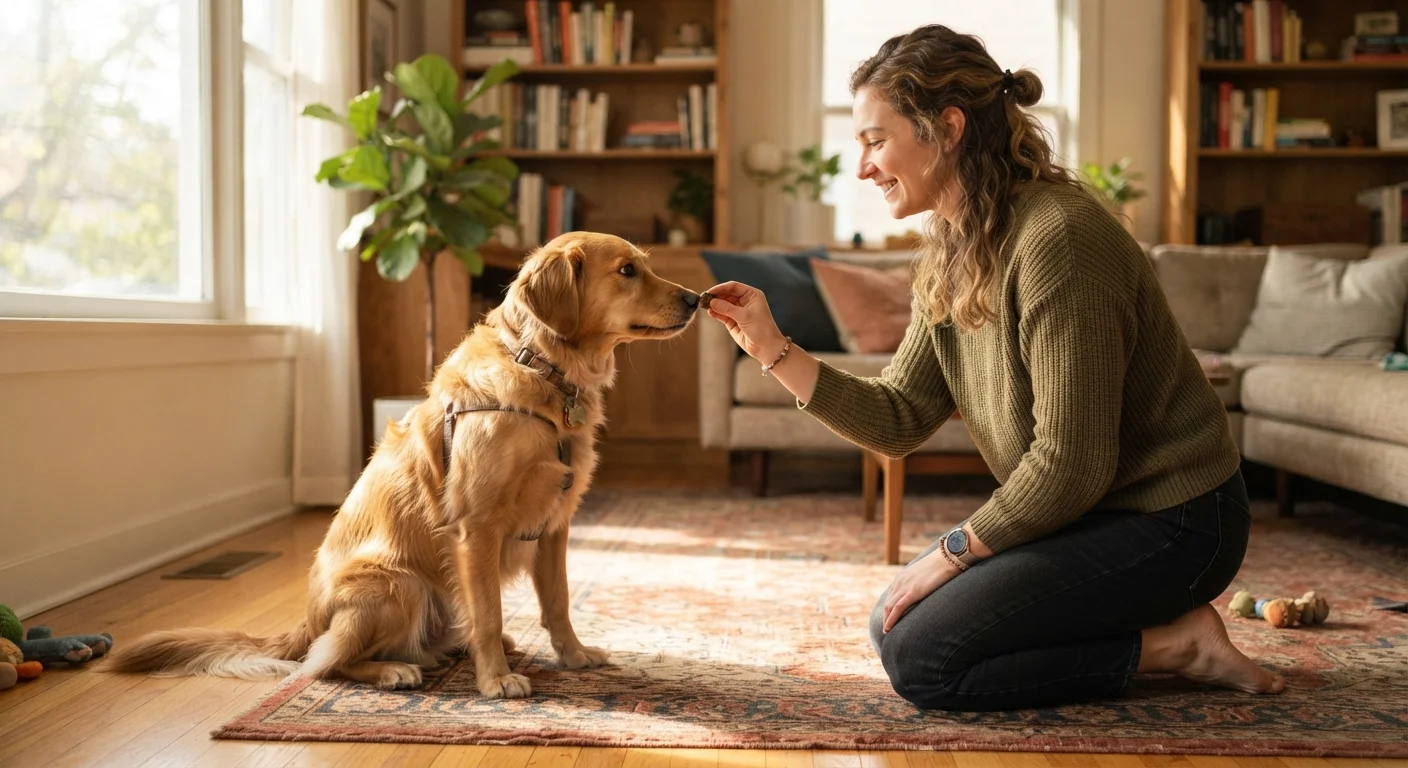
Photo credit: TopInfoTabs.com | Easy Insights For Inspiration
In this article
Duration isn't the measure of a good session. Learn the principles that make brief, focused training sessions more productive.
Key Takeaways
- Most pets learn best in sessions of five to ten minutes, not marathon drills.
- Ending a session while your pet is still engaged prevents frustration and builds positive associations.
- Consistency across many short sessions outperforms infrequent long ones for skill retention.
- Reading your pet's body language helps you stop before focus - and motivation - breaks down.
- A clear objective for each session keeps both you and your pet on track.
Why Duration Isn't the Measure of a Good Session
Many pet owners assume that longer training equals better results. In practice, the opposite is often true. Animals - particularly dogs - have attention spans that are more limited than we tend to credit, and fatigue, both mental and physical, sets in faster than most people expect. A distracted, tired pet isn't learning; it's just enduring.
Before you begin any formal training, it's worth understanding how your pet absorbs new information. The core principles of reward timing and repetition explain why brief, reinforced repetitions build stronger associations than prolonged drilling. Once you internalize that animals learn in small cognitive windows, keeping sessions short stops feeling like a shortcut and starts feeling like the correct strategy.
The goal isn't to squeeze as many commands as possible into a thirty-minute block. The goal is for your pet to walk away from each session having made a clear, positive connection between a behavior and a reward - and still wanting more.
Practices That Make Short Sessions Work
Effective brief sessions don't happen by accident. They reflect deliberate choices about structure, timing, and how you read your animal's responses.
Set a single, specific objective before you start each session.
Vague sessions drift. When you sit down knowing exactly which behavior you're working on - and what success looks like - both you and your pet stay focused. A clear target also makes it easier to end the session definitively once the goal is met.
Keep sessions to five to ten minutes, especially for puppies and new learners.
Young animals and those learning new skills fatigue mentally far sooner than physically. Pushing past the window of engagement doesn't increase learning - it increases the chance of rehearsing errors and building frustration.
Always end the session while your pet is still engaged and succeeding.
The last moment of a session carries disproportionate emotional weight for animals. Ending on success creates a positive association with training itself, which makes your pet more eager to start the next session.
Distribute multiple short sessions throughout the day rather than consolidating into one long block.
Spaced repetition - returning to a skill after a gap - consistently outperforms massed practice for long-term retention. Brief gaps between sessions allow memory consolidation to occur.
Introduce one new concept at a time, and reinforce known behaviors around it.
Layering too many novel elements in a session creates cognitive overload, increasing error rates and reducing the clarity of the feedback your pet receives. Sandwiching a new behavior between familiar ones keeps confidence high.
If you're planning your very first session, a preparation checklist for pet owners can help you set the environment up correctly before you start, so the session itself isn't derailed by avoidable variables.
Quick Wins You Can Apply Today
You don't need to redesign your entire training approach to see improvement. A few targeted adjustments to how you structure each session can make an immediate difference in your pet's responsiveness and your own consistency.
If you're weighing how training format affects outcomes, it's also worth reading about group classes versus private sessions versus self-training - because short sessions work across all formats, but the logistics differ.
5-10 min
Optimal training session length for most dogs
Animal behavior researchers and certified trainers widely recommend keeping individual sessions within this window to maintain engagement and minimize frustration-related errors.
3×
Frequency advantage of spaced practice over massed practice
Research on spaced repetition in learning - applicable across species - consistently shows that distributing practice across multiple shorter intervals improves long-term retention compared to single longer sessions.
Recognizing When to Stop - and Why It Matters
One of the most underrated skills in pet training is knowing when to end. Most owners stop when they are tired or frustrated, which often means the session ends on a low note - a missed cue, a disengaged animal, or a repeat failure. That final impression lingers.
Instead, aim to end on a success: even if it means stepping back to a behavior your pet knows confidently, finishing with a correct response followed by reward leaves your pet with a positive association attached to the session itself.
End on a Behavior Your Pet Already Knows
If a new skill isn't clicking, don't keep pushing through repeated failures. Step back to a behavior your pet performs confidently, reward it clearly, and end the session there. This protects the positive association with training time and gives you a cleaner starting point next session. Progress resumes faster when the animal approaches the next session with confidence rather than residual frustration.
Watch for early signs that focus is fading: sniffing the ground, looking away repeatedly, yawning, shaking off, or slowing down on responses that were previously quick. These aren't signs of stubbornness - they're signals that the cognitive window has closed. Respecting those signals and stopping proactively, rather than pushing through, is what separates trainers who make steady progress from those who stall.
This article provides general pet training information for educational purposes. For animals with significant behavioral challenges, consult a certified professional trainer or a veterinary behaviorist.

Author
Pets & Animals Editorial Team
Pets & Animals Editorial Team is the collective byline for our editorial team and contributor network. Articles published under this byline or an editorial pen name are researched, written, and reviewed according to our editorial standards for clarity, consistency, and independence before publication.
View all articles →