
Socialization: The Window That Shapes Your Pet's Behavior for Life
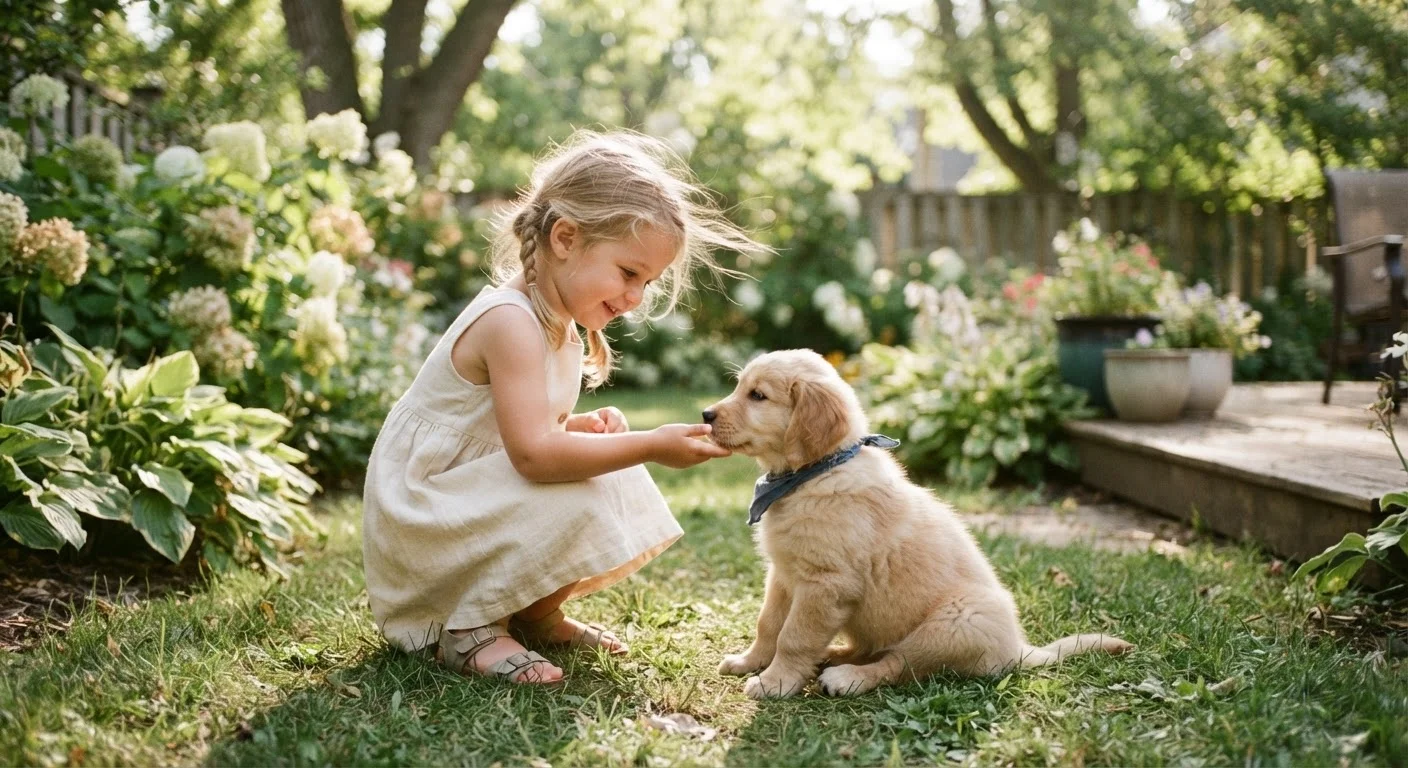
Photo credit: TopInfoTabs.com | Easy Insights For Inspiration
In this article
Early socialization has lasting effects on how pets respond to the world. Here's what it involves and why timing matters.
Key Takeaways
- Socialization is most effective during a specific developmental window in early life.
- Positive exposure - not mere exposure - is what shapes lasting behavioral confidence.
- Missing the window does not make adult socialization impossible, only more gradual.
- Vaccination status and socialization timing must be balanced carefully with veterinary guidance.
- Stress-free, low-pressure introductions are more effective than flooding or forced interaction.
Why the Early Window Is So Important
Young animals are not simply small versions of adults - their brains are wired differently during early development. In the socialization period, neural pathways are forming at a rapid rate, and the experiences an animal has during this time become deeply embedded reference points for the rest of their life. A puppy who encounters a wide variety of people, sounds, and environments calmly during this phase is far more likely to respond to novelty with curiosity rather than fear as an adult.
What makes this window significant is not just the learning that occurs - it is the ease with which that learning occurs. The threshold for forming lasting associations is lower during this period than at any other point in an animal's life. A negative experience in week six of a puppy's life can have an outsized effect; so can a positive one. This is why the quality of early experiences matters at least as much as the quantity.
“The socialization period in young dogs and cats is not a training opportunity you can defer - it is a biological window with a closing date. What happens in those weeks shapes the animal's emotional responses for years to come.”
— American Veterinary Society of Animal Behavior, Position statement on puppy socialization
For a broader picture of what to prioritize in those first weeks together, see our guide to the first 30 days with a new pet.
What Good Socialization Actually Looks Like
Effective socialization is not about overwhelming a young animal with as many new things as possible. A crowded dog park or a loud family gathering might seem like rich socialization opportunities, but if the animal becomes frightened, those experiences can do more harm than good. The goal is positive association - the pet encounters something new, nothing bad happens, and ideally something good does (a gentle interaction, a calm environment, a small treat).
A structured socialization plan for a puppy, for example, might include:
- Meeting people of different ages, appearances, and clothing styles
- Hearing household sounds such as appliances, traffic, and music at a manageable volume
- Walking on a variety of surfaces - grass, gravel, tile, stairs
- Brief, calm interactions with friendly, vaccinated dogs
- Short car rides and visits to different outdoor environments
Each session should be short, low-pressure, and end on a calm note. Watch for signs of stress - yawning, lip-licking, tucked tail, flattened ears - and back off before the animal becomes overwhelmed.
Let the Pet Set the Pace
Always allow the animal to approach new stimuli voluntarily rather than forcing contact. If a puppy or kitten retreats, that is useful information - not failure. Respecting hesitation prevents fear from escalating and keeps trust intact. Brief, successful encounters are more valuable than lengthy ones that end in stress.
Understanding how animals learn can sharpen every one of these interactions. See our article on reward timing and consistency in pet training for the principles that underpin all effective behavior work.
When the Window Has Passed: Socializing Older Pets
Many owners adopt pets well past the primary socialization window - as adolescents, adults, or seniors. The good news is that animals continue to form associations throughout their lives; the process simply becomes slower and more deliberate. A fearful adult dog can learn that strangers are not threats. A wary rescue cat can come to accept handling and new environments. Progress tends to be gradual, and setbacks are part of the process.
The most effective approach for older animals is systematic desensitization: introducing a feared stimulus at such a low intensity that it produces no fear response, then very gradually increasing exposure over time. Pairing new experiences with something the animal already values - a favorite treat, a calm voice - helps build new, positive associations layer by layer.
Vaccination Timing and Socialization
A common concern is whether socialization can begin safely before a puppy's vaccine series is complete. Most veterinary behavioral organizations, including the American Veterinary Society of Animal Behavior, support beginning socialization before the full series is finished - using controlled, lower-risk settings such as puppy classes that require health checks for all participants. Discuss the specific approach with your veterinarian, who can help weigh the behavioral and health considerations for your individual pet.
If an adult pet shows significant fear, aggression, or reactivity in new situations, working with a certified professional - such as a Certified Applied Animal Behaviorist (CAAB) or a veterinary behaviorist - is advisable before proceeding. Some cases benefit from a veterinary evaluation as well, since underlying health conditions can contribute to behavioral changes. Sudden shifts in behavior are worth exploring; our article on common behavioral triggers covers what to investigate.
3-14 weeks
Primary socialization window for puppies
Widely cited in veterinary behavioral literature as the period of peak neural receptivity to new social experiences.
2-7 weeks
Primary socialization window for kittens
The kitten socialization period is shorter and begins earlier, often before most owners bring a kitten home - underscoring the importance of breeder and shelter practices.
Before beginning any formal training program alongside socialization work, our preparation checklist for pet owners can help you set the stage for success.
Frequently Asked Questions

Author
Pets & Animals Editorial Team
Pets & Animals Editorial Team is the collective byline for our editorial team and contributor network. Articles published under this byline or an editorial pen name are researched, written, and reviewed according to our editorial standards for clarity, consistency, and independence before publication.
View all articles →