Why Claims Get Denied - and What You Can Do About It
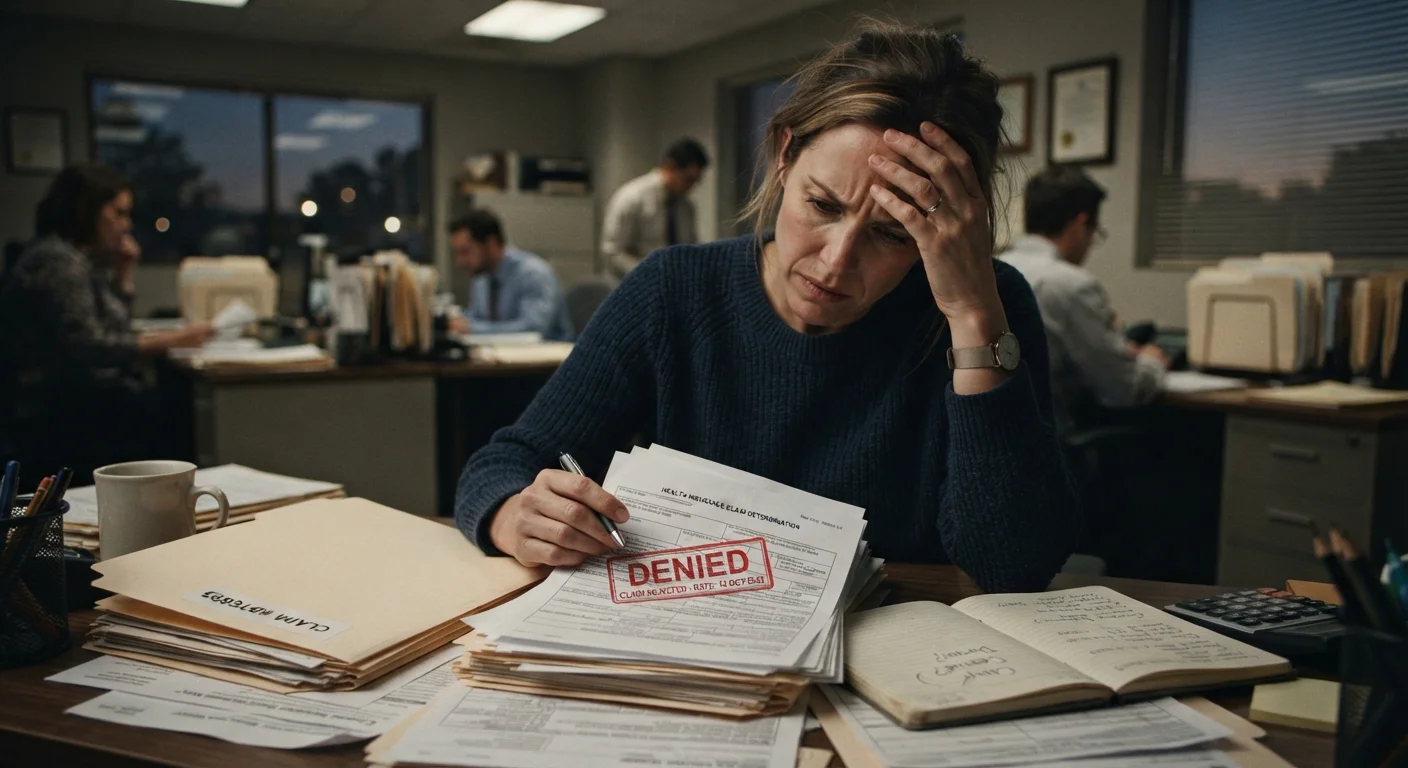
Photo credit: TopInfoTabs.com | Easy Insights For Inspiration
A denied claim is frustrating and often avoidable. Learn the most common reasons insurers reject claims and how to protect yourself.
Key Takeaways
- Most claim denials stem from preventable errors like missed deadlines or incomplete documentation.
- Reading your policy's exclusions and definitions before filing can significantly reduce denial risk.
- You have the legal right to appeal a denied claim - and appeals frequently succeed.
- Keeping organized records of all communications with your insurer strengthens any dispute.
Why Denials Happen More Often Than They Should
A denied insurance claim is one of the most disorienting consumer experiences - you paid premiums expecting protection, then discovered the safety net has a hole in it. The frustrating reality is that many denials are not the result of clear-cut coverage gaps. They stem from procedural missteps, policy misunderstandings, or incomplete paperwork that could have been avoided.
Insurers are contractually obligated to pay valid claims, but the operative word is valid. Every policy is a legal contract with specific conditions, timelines, and definitions. When a claim doesn't meet those conditions - even on a technicality - the insurer has grounds to deny it. Understanding where consumers most often stumble is the most practical defense you have. It's also worth checking out common insurance myths that lead consumers astray, since false assumptions often plant the seeds of a future denial.
Missing the reporting deadline after a loss occurs.
Why it happens: Policyholders often assume they have unlimited time to file, especially when dealing with the immediate stress of a loss.
Failing to document the loss thoroughly before making repairs or disposing of damaged property.
Why it happens: The instinct to clean up or fix things quickly is natural, but it destroys the evidence adjusters need to validate a claim.
Providing inaccurate or inconsistent information on the claim form or during the investigation.
Why it happens: Estimating values from memory under stress leads to honest errors that can look like misrepresentation to an adjuster.
Assuming coverage exists for a loss that is explicitly excluded in the policy.
Why it happens: Policy exclusions are often buried in dense legal language, and consumers rarely read the full document when purchasing coverage.
Not maintaining continuous coverage, creating a lapse that voids a claim.
Why it happens: Premium payment deadlines get missed during financial stress or life transitions, and consumers may not realize coverage has lapsed.
How to Fight Back After a Denial
Receiving a denial letter is not the end of the road. Insurers are required to provide a written explanation of why a claim was denied, and you have the right to formally appeal that decision. Under federal law - and most state regulations - insurers must have an internal appeals process, and in many cases an independent external review is also available.
Appeal Deadlines Are Strict
Most policies and state regulations impose firm deadlines for filing an internal appeal - often 30 to 180 days from the denial date. Missing this window can forfeit your right to challenge the decision entirely. Review the denial letter carefully for the deadline and mark it on your calendar immediately.
Start by requesting the complete claim file, including the adjuster's notes and any internal guidelines used to evaluate your claim. Compare the denial reason directly against your actual policy language - adjusters sometimes apply criteria that don't align precisely with what your contract says. If the denial hinges on a disputed medical or factual determination, a letter from a relevant professional (a physician, contractor, or auto mechanic, depending on the claim type) can carry significant weight in an appeal.
Document every interaction: dates, representative names, and summaries of what was said. If your internal appeal fails, your state's department of insurance can investigate complaints and, in some cases, mediate disputes. Consumer advocacy groups and, for complex claims, a licensed public adjuster or attorney may also be useful resources. Be cautious of unsolicited advice that sounds too good - see how misleading consumer claims work in practice to sharpen your skepticism.
This article provides general information about insurance claims and is not legal or financial advice. Coverage terms, appeal rights, and deadlines vary by policy, insurer, and state. Consult a licensed insurance professional or your state's department of insurance for guidance specific to your situation.

Author
Smart Shopping Editorial Team
Smart Shopping Editorial Team is the collective byline for our editorial team and contributor network. Articles published under this byline or an editorial pen name are researched, written, and reviewed according to our editorial standards for clarity, consistency, and independence before publication.
View all articles →