
Hydration vs. Moisture: They Sound the Same but Work Differently
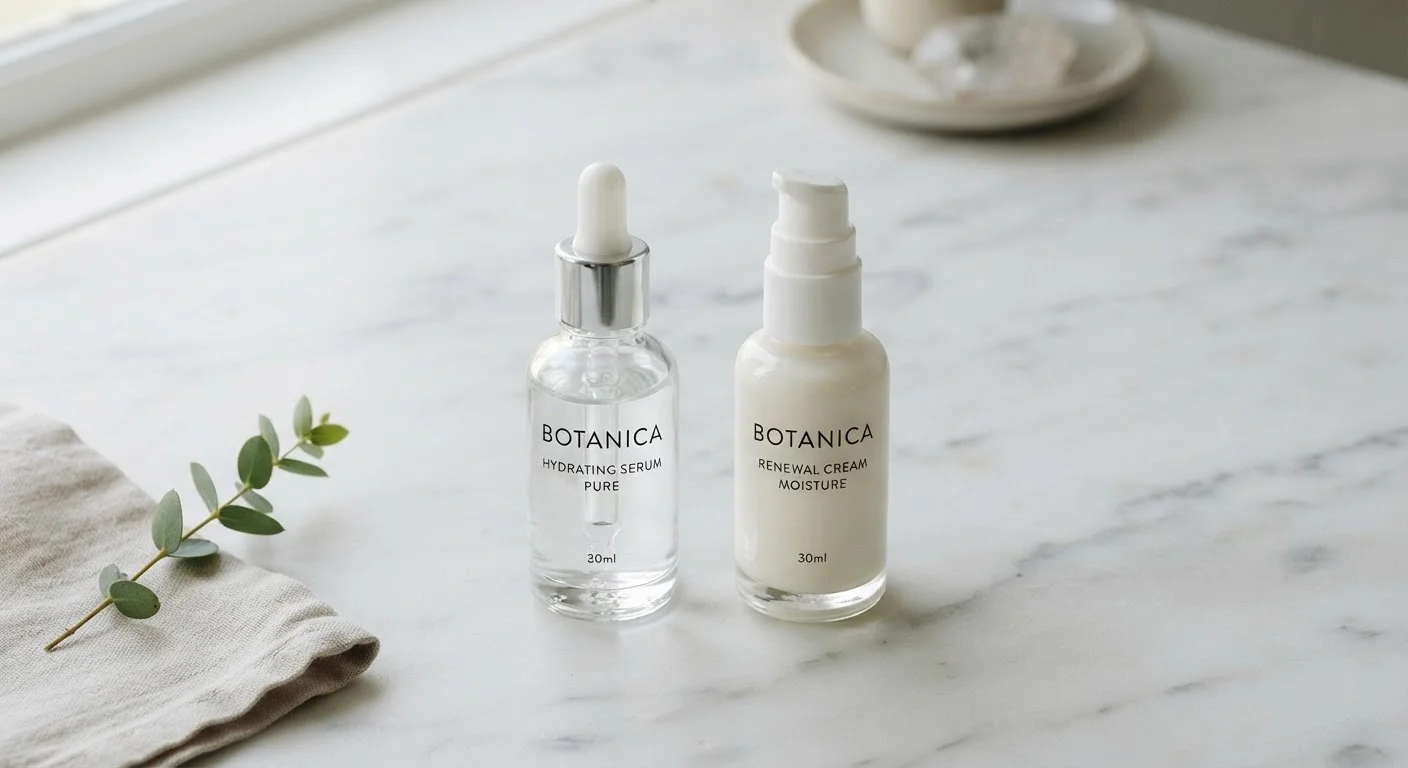
Photo credit: TopInfoTabs.com | Easy Insights For Inspiration
In this article
Dehydrated skin and dry skin aren't the same thing, and neither are humectants and emollients. This explainer clears up the confusion.
Key Takeaways
- Dehydrated skin lacks water; dry skin lacks oil - these are different conditions requiring different solutions.
- Humectants like hyaluronic acid pull water into skin cells to hydrate.
- Emollients and occlusives lock existing moisture in by strengthening the skin barrier.
- You can have oily skin that is simultaneously dehydrated.
- Layering a humectant under an emollient gives the most complete routine for many skin concerns.
Why the Confusion Exists
Beauty labels love the words hydrating and moisturizing - and they often treat them as synonyms. That makes it genuinely hard to know what a product is actually doing. Here's the honest breakdown: hydration is about water, and moisture is about oil and barrier function. Both matter, but they fix different things.
Think of your skin like a sponge sitting inside a sealed bag. Hydration fills the sponge with water. Moisture keeps the bag closed so that water doesn't evaporate away. If the sponge is dry, you need to add water. If the bag has holes, the water will just keep escaping - no matter how much you pour in.
Marketing Language vs. Ingredient Reality
A product labeled 'moisturizing' may contain humectants, emollients, or both - the label alone won't tell you. Flipping to the ingredient list is the most reliable way to identify what a formula actually does. Look for glycerin or hyaluronic acid for hydration; look for oils, butters, or waxes for moisture.
Dehydrated Skin vs. Dry Skin
Dry skin is a skin type - it's a genetic or hormonal tendency to produce less sebum (oil) than average. It tends to feel rough, look flaky, and get uncomfortable in cold or dry weather. Understanding your skin type is a useful first step before reaching for any product.
Dehydrated skin, on the other hand, is a temporary condition - not a type. It can affect any skin type, including oily skin. Causes include environmental exposure, over-cleansing, caffeine, alcohol, and simply not drinking enough water. Dehydrated skin often looks dull, feels tight, and may show fine surface lines.
The Ingredients Behind Each Concept
Once you know which problem you're working with, the ingredient list becomes much easier to navigate.
Hydrating Ingredients: Humectants
Humectants attract water molecules from the environment (and from deeper skin layers) into the outer skin cells. Classic humectants include hyaluronic acid, glycerin, aloe vera, and panthenol. They're typically found in lightweight serums and essences - the thinner, water-forward steps in a routine. Serums and essences are common humectant delivery formats.
Moisturizing Ingredients: Emollients and Occlusives
Emollients - like squalane, ceramides, and plant oils - fill in the gaps between skin cells, making the surface feel smooth and soft. Occlusives - like petrolatum, beeswax, and dimethicone - sit on top of the skin and form a physical seal that slows water evaporation. Most everyday moisturizers blend both categories.
64%
Of people misidentify their skin type
According to a survey cited in dermatology literature, a significant portion of consumers self-diagnose their skin type incorrectly, often confusing dehydration symptoms with dryness.
~30%
Water content in healthy stratum corneum
Dermatologists generally consider the outermost skin layer (stratum corneum) to be well-hydrated when it contains at least 10-30% water by standard measurement.
How to Layer Them Effectively
The most practical routine strategy: apply humectants first, then seal with an emollient or occlusive. This order matters because occlusives applied first can prevent humectants from absorbing properly.
A simple, effective sequence might look like: cleanser → hydrating toner or serum → moisturizer. If your skin is particularly dry or you live in a low-humidity climate, a richer occlusive layer at the end helps lock everything in. If your skin is oily but dehydrated, a lightweight humectant serum topped with a gel-cream moisturizer often hits the right balance without adding heaviness.
Layer Smartly for Lasting Results
Apply your humectant (hydrating serum or essence) to slightly damp skin right after cleansing - this gives it water molecules to work with. Follow immediately with your moisturizer while the serum is still absorbing, so the emollient layer seals everything in before evaporation occurs.
This article is for general informational purposes and is not a substitute for advice from a licensed dermatologist or skincare professional. Individual skin needs vary; consult a qualified professional for personalized guidance.
Frequently Asked Questions

Author
Style & Beauty Editorial Team
Style & Beauty Editorial Team is the collective byline for our editorial team and contributor network. Articles published under this byline or an editorial pen name are researched, written, and reviewed according to our editorial standards for clarity, consistency, and independence before publication.
View all articles →