
Why the Sticker Price Is Rarely the Full Cost of Owning a Car
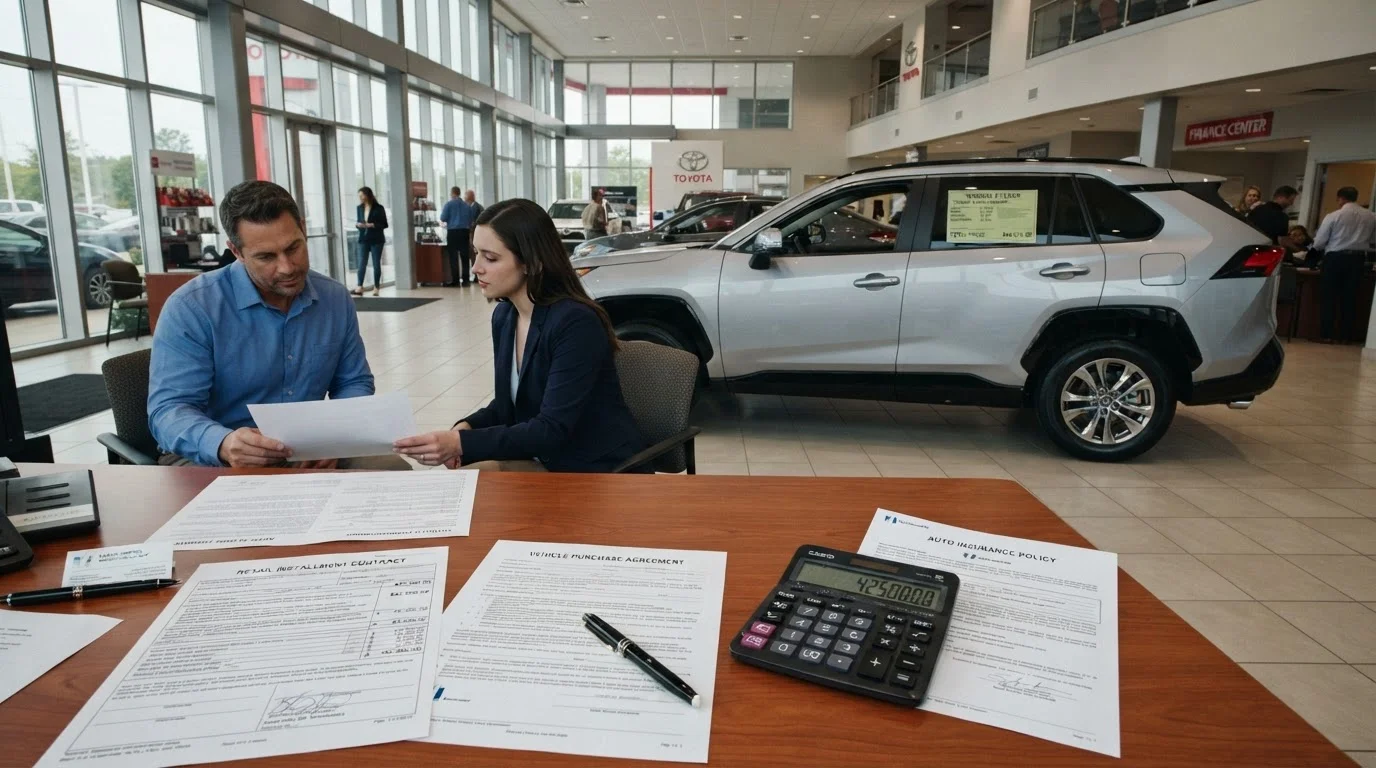
Photo credit: TopInfoTabs.com | Easy Insights For Inspiration
In this article
Insurance, depreciation, fuel, servicing, and taxes all affect what a car really costs. Learn how to estimate the full picture before buying.
Key Takeaways
- The sticker price covers only the initial purchase - ongoing costs can dwarf that figure over time.
- Depreciation is usually the largest ownership expense, often exceeding fuel and insurance combined.
- Insurance premiums vary significantly by vehicle type, your driving record, and location.
- Fuel costs depend on efficiency ratings, local gas prices, and how much you drive annually.
- Maintenance schedules and repair frequency differ widely across vehicle classes and ages.
- Estimating TCO before you buy helps you compare vehicles more accurately than price alone.
The Gap Between the Price Tag and the Real Bill
Walk onto any lot and the number printed on the window sticker feels like the answer to the question "How much does this car cost?" It isn't. That figure covers the base vehicle and any factory options - nothing more. The moment you drive off the lot, a separate set of costs begins accumulating that will, over a typical ownership period, equal or exceed what you paid upfront.
Understanding this gap isn't about pessimism. It's about making a fully informed decision. Two vehicles with identical sticker prices can carry dramatically different five-year ownership costs depending on how they depreciate, how much they cost to insure, and how often they need servicing. Comparing sticker prices alone is like judging a restaurant by its menu cover. The full car-buying journey covers every stage where these costs surface - from research through final paperwork.
40-50%
Share of 5-year cost attributable to depreciation
Industry analyses of vehicle ownership costs consistently identify depreciation as the dominant expense over a typical five-year ownership period.
~$10,000+
Average annual cost to own and operate a vehicle
AAA's annual Your Driving Costs study has estimated average total ownership costs for new vehicles above $10,000 per year when all expenses are included.
15-25%
Typical first-year depreciation for a new vehicle
Most new passenger vehicles lose a significant portion of their value in the first 12 months, with rates varying by segment and model.
Depreciation: The Cost You Never Write a Check For
Depreciation is the decline in a vehicle's market value over time, and it is consistently the largest component of total ownership cost - yet most buyers never consciously budget for it. Because you don't receive a monthly depreciation invoice, it's easy to ignore. But when you eventually sell or trade in your vehicle, the gap between what you paid and what you receive is real money out of your pocket.
Different vehicles depreciate at different rates. Segment, brand reputation for reliability, fuel type, and even color can influence how well a vehicle holds its value. Doing a quick check on resale value trends for any model you're considering is time well spent before signing anything. For a deeper look at how sticker prices relate to genuine value, understanding the gap between retail price and real value is worth reading alongside this article.
Insurance, Fuel, and Maintenance: The Monthly Reality
Insurance: Premiums are calculated on the specific vehicle, not just you as a driver. A sports car or a vehicle with an expensive repair profile will typically cost more to insure than a standard sedan or wagon. Your driving history, location, annual mileage, and chosen coverage levels all feed into the final premium. Getting insurance quotes for a vehicle before you buy it - not after - is one of the most practical steps you can take.
Fuel: The EPA fuel economy label on every new vehicle gives you a useful baseline, but real-world consumption depends on how and where you drive. Calculating an annual fuel estimate using your typical mileage and local fuel prices provides a personalized cost figure that's more relevant than a sticker rating alone.
Maintenance and repairs: Every manufacturer publishes a maintenance schedule - oil changes, tire rotations, brake inspections, fluid replacements. These intervals and their costs vary by vehicle. Luxury vehicles and those with specialized engineering often carry higher parts and labor costs. Older vehicles may need repairs beyond routine maintenance. Factor both into your ownership estimate.
Build a Simple Ownership Cost Estimate
Before committing to any vehicle, write down five line items: estimated annual insurance premium, annual fuel cost based on your mileage and local prices, scheduled maintenance cost per year, projected depreciation over your ownership period, and financing interest if applicable. Adding these to the purchase price gives you a far more accurate comparison between vehicles than sticker price alone. Several independent automotive research sites publish model-specific ownership cost summaries that can anchor your estimates.
For a broader look at how purchase decisions carry costs beyond the initial price, the article on hidden costs beyond the price tag offers useful context from a consumer psychology perspective.
Taxes, Fees, and Financing: The Upfront Additions
Before you even leave the dealership, several line items will be added to the vehicle price. Sales tax rates vary by state and sometimes by county. Title and registration fees are set by your state's DMV. Dealer documentation fees - sometimes called "doc fees" - are common and vary widely. These charges are not discretionary, but knowing they exist lets you build them into your budget rather than absorbing them as a surprise.
If you're financing, the interest paid over the life of the loan is a genuine ownership cost. A loan with a longer term reduces monthly payments but increases total interest paid. Understanding how car pricing works at the dealership - including financing structures - puts you in a much stronger position before you sit across from a finance manager.
This article is for general informational purposes only and does not constitute financial or purchasing advice. Consult a licensed financial professional for guidance specific to your situation.
Frequently Asked Questions

Author
Cars & Driving Editorial Team
Cars & Driving Editorial Team is the collective byline for our editorial team and contributor network. Articles published under this byline or an editorial pen name are researched, written, and reviewed according to our editorial standards for clarity, consistency, and independence before publication.
View all articles →