
Exercise Needs Across Different Dog Breeds and Life Stages
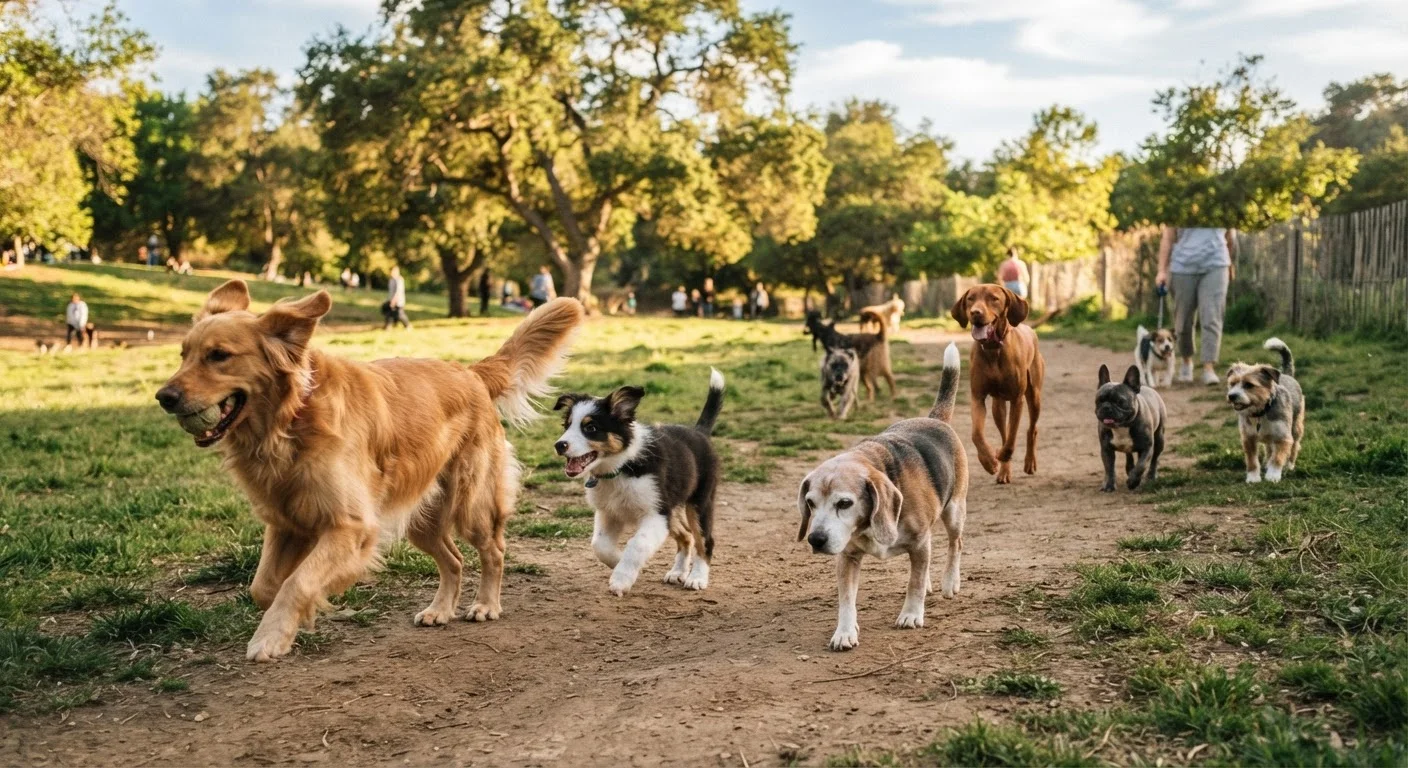
Photo credit: TopInfoTabs.com | Easy Insights For Inspiration
In this article
A border collie and a basset hound don't need the same activity level. Explore how breed, age, and health shape appropriate daily exercise for dogs.
Why One Exercise Formula Doesn't Fit Every Dog
A border collie bred to herd sheep for hours and a basset hound built for leisurely scent trailing occupy opposite ends of the activity spectrum - and treating them the same can cause real harm. Too little exercise leads to boredom, destructive behavior, and weight gain; too much, especially at the wrong life stage, risks joint damage and exhaustion.
Understanding what drives a dog's exercise needs - breed group, body structure, age, and individual health status - helps owners build realistic, sustainable routines. This reference guide breaks down those key variables so you can tailor activity to your specific dog.
For a broader picture of how exercise fits into your dog's day, see The Daily Routine Every Dog Owner Should Know.
| Average adult dog exercise minimum | 30-60 minutes daily (General veterinary consensus; varies significantly by breed) |
| Puppy structured exercise guideline | 5 min per month of age, up to 2x/day (Widely referenced veterinary guideline) |
| Highest-demand breed category | Herding and sporting breeds |
| Senior dog threshold (large breeds) | Around age 6-7 (Varies by breed size) |
| Brachycephalic exercise risk factor | Heat and humidity significantly increase risk |
Exercise by Breed Group
Breed group is one of the strongest predictors of daily activity requirements. Dogs were selectively bred for specific work, and those instincts shape their energy levels today.
Brachycephalic
Referring to breeds with shortened skull anatomy and flattened faces, such as Bulldogs and Pugs. This structure can restrict airflow and limit a dog's tolerance for sustained aerobic exercise.
Growth plates
Areas of developing cartilage near the ends of long bones in young dogs. They are vulnerable to stress injury until they close, typically between 12-18 months depending on breed and size.
Mental stimulation
Activities that engage a dog's cognitive and problem-solving abilities - such as scent work, puzzle feeders, or training sessions. For working and herding breeds, mental exercise can be as tiring and important as physical activity.
Exercise intolerance
A condition in which a dog cannot sustain normal levels of physical activity without distress. It may signal underlying cardiac, respiratory, or orthopedic issues and warrants veterinary evaluation.
- Herding breeds (Border Collie, Australian Shepherd, Belgian Malinois): Need 1.5-2+ hours of vigorous daily activity. Mental stimulation - agility, fetch, puzzle work - is equally critical. Under-exercised herding dogs often redirect energy into obsessive or destructive behaviors.
- Sporting breeds (Labrador Retriever, Golden Retriever, Vizsla): Generally require 1-2 hours of active exercise. They thrive with swimming, retrieving, or off-leash running in secure areas.
- Working breeds (Siberian Husky, Bernese Mountain Dog, Rottweiler): Variable by individual, but most need at least an hour of purposeful exercise. Huskies in particular have near-limitless endurance when fit.
- Hound breeds (Greyhound, Beagle, Basset Hound): Scent hounds like Beagles need moderate daily walks; Greyhounds are sprinters that tire quickly and adapt well to shorter bursts followed by rest. Basset Hounds are among the lower-demand breeds.
- Toy and companion breeds (Chihuahua, Maltese, Shih Tzu): These dogs need regular but shorter sessions - typically 20-30 minutes daily. Their small frames make overexertion a real risk in heat.
- Brachycephalic breeds (French Bulldog, Pug, Bulldog): Shortened airways make sustained aerobic exercise difficult and potentially dangerous, especially in warm or humid weather. Short, low-intensity walks in cooler parts of the day are generally recommended; consult your veterinarian for individual guidance.
56%
US dogs estimated overweight or obese
According to the Association for Pet Obesity Prevention's annual survey, over half of US dogs were classified as overweight or obese in recent years, with insufficient exercise as a contributing factor.
5 min
Per month of age for puppy exercise
A widely cited veterinary guideline recommends no more than 5 minutes of structured exercise per month of a puppy's age to protect developing joints.
Exercise Across Life Stages
Age reshapes what appropriate exercise looks like, sometimes dramatically.
Puppies (under 12-18 months)
A widely referenced guideline suggests approximately 5 minutes of structured exercise per month of age, up to twice daily - so a 4-month-old puppy might get two 20-minute sessions. The concern is protecting still-developing growth plates from repetitive high-impact stress, particularly in large and giant breeds. Free, self-directed play is generally lower risk than forced running or jumping. For more on working with puppies, see Training a Puppy vs. an Adult Dog.
Adult dogs (roughly 1-7 years)
This is peak physical condition for most dogs. Exercise needs are at their highest and most breed-consistent. Consistent daily activity supports healthy weight, cardiovascular function, and behavioral balance.
Senior dogs (7+ years, varies by size)
Larger breeds age faster; a Great Dane may be considered senior at 6, while a small terrier may not reach that threshold until 10. Senior dogs generally benefit from shorter, more frequent walks over single long outings. Arthritis, reduced stamina, and cognitive changes may require adjustments - always guided by your veterinarian.
Always Consult Your Veterinarian
The guidelines in this article represent general educational information, not personalized medical advice for your dog. Dogs with orthopedic conditions, heart or respiratory issues, obesity, or a recent surgery require individualized exercise plans developed with a veterinarian. When in doubt - especially for senior dogs or dogs showing signs of fatigue, limping, or labored breathing after activity - seek professional guidance before increasing activity levels.

Author
Pets & Animals Editorial Team
Pets & Animals Editorial Team is the collective byline for our editorial team and contributor network. Articles published under this byline or an editorial pen name are researched, written, and reviewed according to our editorial standards for clarity, consistency, and independence before publication.
View all articles →