
Why Cats Drink So Little Water - And What to Do About It
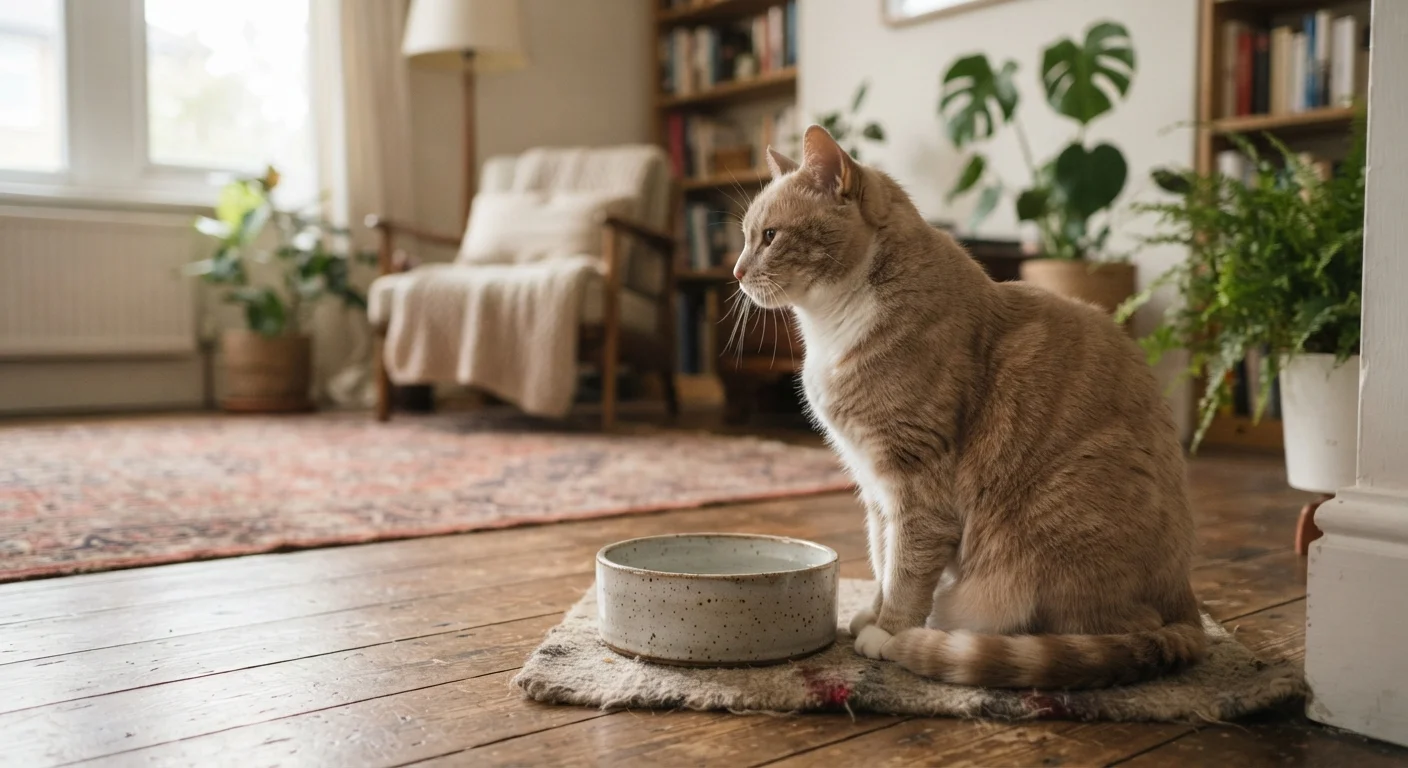
Photo credit: TopInfoTabs.com | Easy Insights For Inspiration
In this article
Many cats are chronically under-hydrated. Understand why feline water intake is low and how to encourage healthier drinking habits.
Key Takeaways
- Cats evolved to get most of their water from food, not from drinking bowls.
- Dry-food diets provide far less moisture than cats' ancestral diets, increasing dehydration risk.
- Chronic low-grade dehydration is linked to urinary tract disease and kidney problems in cats.
- Simple environmental changes - like moving bowls or adding a fountain - can meaningfully improve intake.
- Signs of dehydration in cats can be subtle; a veterinarian should evaluate any concerns.
The Evolutionary Root of the Problem
To understand why cats drink so little, you have to think like a desert predator. The ancestors of today's domestic cats lived in arid environments and subsisted almost entirely on small prey animals - mice, birds, lizards - whose bodies were composed of roughly 65-75% water. That moisture-rich diet meant cats had little need to seek out water sources directly, and over thousands of generations, their thirst drive adapted accordingly.
Unlike dogs, which evolved alongside humans in varied environments and developed a stronger instinct to drink from external water sources, cats retained this prey-based hydration model. The result is an animal whose kidneys are remarkably efficient at concentrating urine to conserve water - a useful adaptation in the wild, but one that can work against a cat eating dry kibble in a modern home.
Cats and Water: A Note on Individuality
Not every cat with low water intake will develop health problems, and some cats on dry food remain healthy throughout their lives. Individual genetics, kidney efficiency, overall diet quality, and environmental stress all play roles. The goal of increasing water intake is to reduce risk, not to alarm owners about healthy cats. Routine veterinary checkups, including periodic bloodwork for older cats, remain the most reliable way to monitor kidney and urinary health.
Why Dry Food Changes Everything
Dry cat food typically contains only 8-10% moisture, compared to the roughly 70% found in wet or canned food - and closer to 70-75% found in actual prey. When a cat's entire diet is dry kibble, the moisture gap between what they consume and what their body needs becomes significant. The cat's instinct does not automatically compensate by drinking more water from a bowl, because that behavior was never strongly wired in to begin with.
This is one reason veterinary nutritionists often highlight the hydration advantage of wet food. Our guide to wet food vs. dry food for cats covers the broader nutritional trade-offs in detail, but hydration alone is a compelling reason many veterinarians recommend incorporating wet food, especially for cats with a history of urinary issues.
Try the 'Skin Tent' Test at Home
Gently pinch a small fold of skin at the back of your cat's neck and release it. In a well-hydrated cat, the skin should spring back immediately. If it stays tented or returns slowly, your cat may be dehydrated - a signal to contact your veterinarian. This is a general screening observation, not a substitute for professional assessment.
Health Consequences of Chronic Under-Hydration
The stakes are not trivial. Inadequate hydration is associated with two of the most common serious health problems seen in cats: lower urinary tract disease (including the formation of crystals and blockages) and chronic kidney disease. When urine becomes highly concentrated due to insufficient fluid intake, minerals can precipitate into crystals that irritate or obstruct the urinary tract - a painful and sometimes life-threatening condition, particularly in male cats whose urethras are narrower.
Kidney disease is the leading cause of death in older cats, and while dehydration is not its only driver, maintaining good hydration throughout a cat's life is widely considered a meaningful protective measure. Indoor cats, who may be less active and have fewer environmental stimuli, can be especially prone to low intake. For more on how lifestyle affects feline health broadly, see our article on indoor vs. outdoor cats and health implications.
70%
Moisture content in natural feline prey
Wild small prey animals that cats evolved to eat contain approximately 65-75% water, compared to 8-10% in dry kibble.
#1
Leading cause of death in older cats
Chronic kidney disease is consistently cited by veterinary sources as the most common cause of death in senior domestic cats.
3x
Higher urine concentration risk on dry diets
Veterinary nutrition literature notes cats on dry-only diets produce significantly more concentrated urine, increasing mineral crystal formation risk.
Practical Ways to Encourage Your Cat to Drink More
The good news is that several straightforward changes can make a meaningful difference. Cats are particular about their water, and small environmental adjustments often yield noticeable results.
- Switch some meals to wet food. Even replacing one dry meal per day with wet food adds significant moisture to your cat's diet without requiring them to drink more.
- Try a pet water fountain. Moving water appeals to many cats' instincts - in nature, still water can signal stagnation. Fountains also keep water cooler and better oxygenated, which some cats prefer.
- Relocate the water bowl. Cats often avoid drinking water placed near their food bowl or litter box. Separation - even a few feet - can increase interest.
- Offer multiple water stations. In multi-cat households or larger homes, having several water sources reduces competition and increases access.
- Use wide, shallow bowls. Cats are sensitive to their whiskers touching bowl edges (whisker fatigue). A wide, shallow dish eliminates this discomfort.
- Freshen water daily. Cats are sensitive to odor and taste. Stale water is often simply ignored.
If your cat's water intake seems significantly reduced, or if you notice any signs of lethargy, straining to urinate, or other changes, contact your veterinarian rather than relying on dietary adjustments alone. General guidance can support healthy habits, but individual health concerns always warrant professional evaluation.
This article is for general informational purposes only and does not constitute veterinary advice. Always consult a licensed veterinarian for concerns about your cat's health or hydration.
Frequently Asked Questions

Author
Pets & Animals Editorial Team
Pets & Animals Editorial Team is the collective byline for our editorial team and contributor network. Articles published under this byline or an editorial pen name are researched, written, and reviewed according to our editorial standards for clarity, consistency, and independence before publication.
View all articles →