
Indoor vs. Outdoor Cats: Understanding the Health Implications
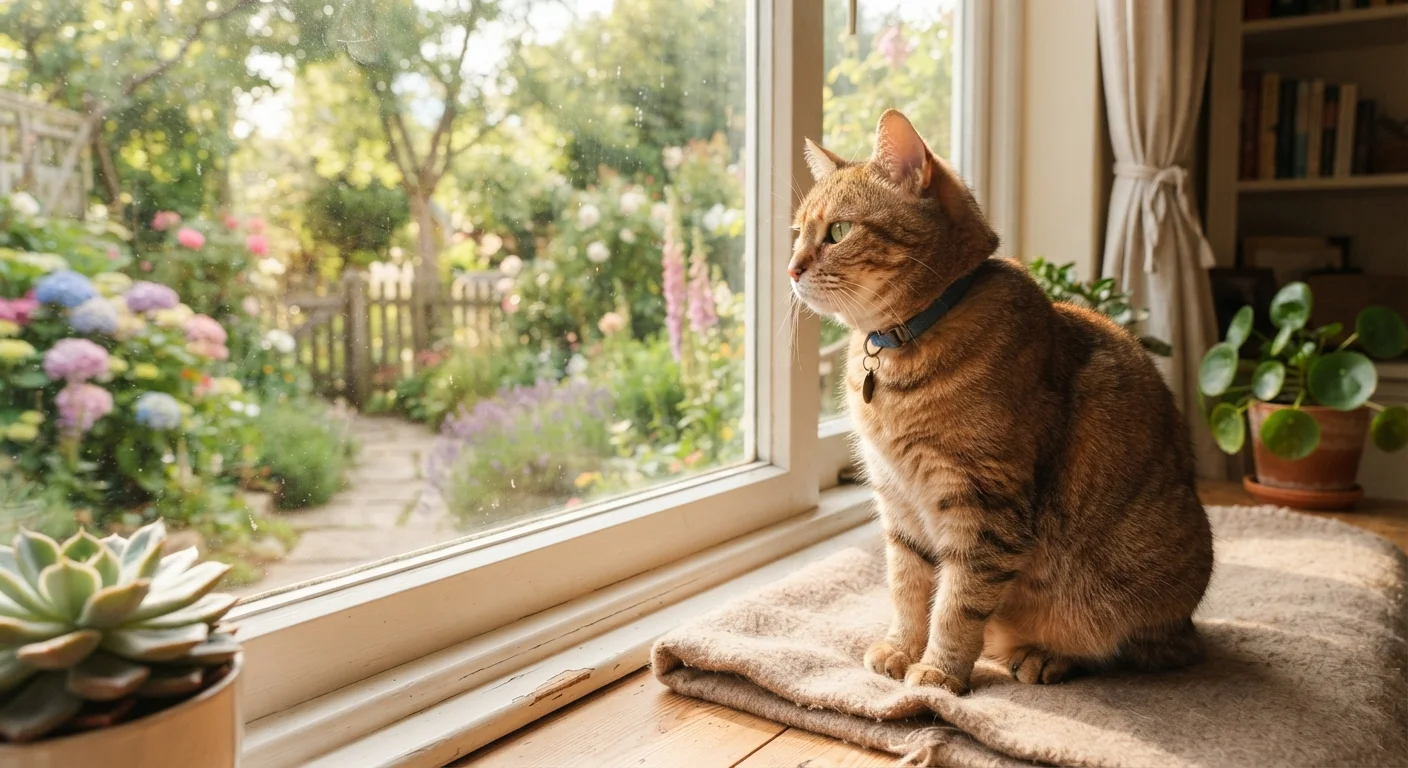
Photo credit: TopInfoTabs.com | Easy Insights For Inspiration
In this article
Lifestyle choices for cats carry real health trade-offs. Compare the risks and benefits of indoor and outdoor environments for feline wellbeing.
Key Takeaways
- Indoor cats typically live significantly longer than cats allowed to roam outdoors.
- Outdoor access exposes cats to infectious disease, predators, toxins, and traffic hazards.
- Indoor-only cats face elevated risks of obesity, boredom, and stress-related conditions.
- Enrichment strategies can meaningfully close the mental and physical gap for indoor cats.
- Vaccination and parasite prevention remain important regardless of a cat's living situation.
Dramatically reduced risk of traumatic injury
Indoor cats are not exposed to vehicle traffic, one of the most common causes of serious injury and death in owned cats. Removal of this single risk factor has an outsized impact on longevity.
Lower exposure to infectious disease
Without contact with feral or stray cats, indoor cats have significantly reduced exposure to FeLV, FIV, and common respiratory pathogens spread through direct contact or shared territory.
Protection from environmental toxins
Pesticides, rodenticides, antifreeze, and toxic plants are all outdoor hazards that indoor cats avoid entirely, reducing the risk of accidental poisoning.
Easier monitoring of health and behavior
Owners of indoor cats can more readily notice changes in appetite, litter box habits, and activity levels - early indicators that often signal developing health problems.
Controlled diet and healthier weight management
Indoor cats consume only what their owners provide, making it far easier to monitor caloric intake and maintain a healthy body condition score.
Higher risk of obesity and metabolic disease
Reduced activity combined with ad-libitum feeding is a common formula for weight gain in indoor cats, which in turn raises the risk of diabetes mellitus and orthopedic problems.
Behavioral problems from boredom and frustration
Without adequate stimulation, indoor cats may develop stress-related issues including compulsive over-grooming, destructive scratching, or anxiety-driven vocalization.
Limited expression of natural hunting behaviors
Predatory behaviors - stalking, pouncing, chasing - are deeply wired in cats. Suppressing these without substitutes can contribute to restlessness and chronic low-grade frustration.
Heightened stress in poorly enriched environments
A static, under-stimulating home environment can elevate cortisol levels in cats, potentially contributing to immune suppression and stress-related conditions such as feline idiopathic cystitis.
Why This Decision Matters More Than Most Owners Realize
The indoor-versus-outdoor question is one of the most consequential choices a cat owner makes - yet it often gets less attention than food brand or litter type. Where a cat spends its time shapes its exposure to injury, infectious disease, parasites, and psychological stress. Understanding the underlying health implications helps owners make an informed, intentional choice rather than defaulting to habit.
This isn't a moral judgment. It's an evidence-informed look at what each environment typically delivers for feline wellbeing - and what owners can do to address the drawbacks of either arrangement.
Both Environments Require Veterinary Care
A common misconception is that indoor cats can skip routine wellness visits or vaccinations. In practice, indoor cats still require regular veterinary checkups, core vaccinations, and parasite prevention appropriate to their exposure level. Discuss your cat's specific lifestyle with a veterinarian to determine the right preventive care schedule.
The Case for Keeping Cats Indoors
Estimates from veterinary and shelter medicine research consistently show indoor cats living considerably longer than their outdoor counterparts - differences of several years in median lifespan are commonly cited, though exact figures depend on population and methodology.
Dramatically reduced risk of traumatic injury
Indoor cats are not exposed to vehicle traffic, one of the most common causes of serious injury and death in owned cats. Removal of this single risk factor has an outsized impact on longevity.
Lower exposure to infectious disease
Without contact with feral or stray cats, indoor cats have significantly reduced exposure to FeLV, FIV, and common respiratory pathogens spread through direct contact or shared territory.
Protection from environmental toxins
Pesticides, rodenticides, antifreeze, and toxic plants are all outdoor hazards that indoor cats avoid entirely, reducing the risk of accidental poisoning.
Easier monitoring of health and behavior
Owners of indoor cats can more readily notice changes in appetite, litter box habits, and activity levels - early indicators that often signal developing health problems.
Controlled diet and healthier weight management
Indoor cats consume only what their owners provide, making it far easier to monitor caloric intake and maintain a healthy body condition score.
Indoor cats are shielded from vehicle traffic, predators such as coyotes and dogs, and encounters with feral or stray cats that transmit diseases like feline leukemia virus (FeLV) and feline immunodeficiency virus (FIV). They're also far less likely to ingest toxic plants, rodenticides, or antifreeze - substances responsible for many preventable feline fatalities.
Diet and weight management are also more controllable indoors. Owners know exactly what their cats are eating, which matters given that food format and caloric density play a meaningful role in feline metabolic health across life stages.
The Drawbacks of an Indoor-Only Life
A controlled environment is not automatically an enriched one. Without deliberate effort from owners, indoor cats can develop significant physical and psychological health problems.
Higher risk of obesity and metabolic disease
Reduced activity combined with ad-libitum feeding is a common formula for weight gain in indoor cats, which in turn raises the risk of diabetes mellitus and orthopedic problems.
Behavioral problems from boredom and frustration
Without adequate stimulation, indoor cats may develop stress-related issues including compulsive over-grooming, destructive scratching, or anxiety-driven vocalization.
Limited expression of natural hunting behaviors
Predatory behaviors - stalking, pouncing, chasing - are deeply wired in cats. Suppressing these without substitutes can contribute to restlessness and chronic low-grade frustration.
Heightened stress in poorly enriched environments
A static, under-stimulating home environment can elevate cortisol levels in cats, potentially contributing to immune suppression and stress-related conditions such as feline idiopathic cystitis.
Sedentary indoor life is a primary driver of feline obesity - a condition linked to diabetes, arthritis, and hepatic lipidosis (fatty liver disease). Boredom and lack of sensory stimulation contribute to stress-related behaviors including over-grooming, inappropriate elimination, and inter-cat aggression in multi-cat households.
Owners of indoor cats should invest seriously in structured environmental enrichment - rotating puzzle feeders, climbing structures, window perches, and regular interactive play sessions are not optional extras; they're health requirements.
Outdoor Access: Real Benefits and Documented Risks
Outdoor environments give cats opportunities to express natural behaviors - stalking, climbing, exploring, hunting - that are difficult to fully replicate indoors. Physical activity levels are generally higher, and behavioral problems rooted in frustration or boredom are less common in cats with outdoor access.
However, the risk profile is substantial. Outdoor cats are routinely exposed to parasites including fleas, ticks, and intestinal worms. They face infectious disease risks from wildlife and other cats, including upper respiratory infections, ringworm, and the serious viral diseases mentioned above. Trauma from vehicle strikes remains among the leading causes of death in owned outdoor cats.
Vaccination and parasite prevention are non-negotiable for any cat with outdoor access. If you hold the belief that indoor pets don't require routine shots, current veterinary guidance disagrees - and it's worth reviewing why.
2-5 years
Estimated lifespan difference: indoor vs. outdoor
Veterinary and epidemiological sources commonly estimate that indoor cats live several years longer on average, with outdoor-only cats facing substantially higher mortality rates from trauma and disease.
~60%
Proportion of US cats kept primarily indoors
Survey data from the American Pet Products Association indicates the majority of owned US cats are kept indoors, reflecting a gradual shift in owner awareness over recent decades.
Middle-Ground Options Worth Considering
The binary framing of "indoor" versus "outdoor" doesn't capture the full range of practical arrangements. Supervised outdoor time in a securely enclosed yard, leash walks with a well-fitted harness, and purpose-built outdoor enclosures (sometimes called "catios") can offer meaningful environmental variety without the full risk profile of unrestricted roaming.
Dental health is an easy area to overlook during lifestyle planning. Regardless of environment, oral hygiene remains a commonly neglected aspect of cat care that affects systemic health far beyond the mouth. Similarly, spaying or neutering intersects with both lifestyle risk - intact outdoor cats roam wider and fight more - and long-term health outcomes explored in a detailed review of the evidence.
This article is for general informational purposes only and does not constitute veterinary advice. Consult a licensed veterinarian for guidance specific to your cat's health, history, and circumstances.

Author
Pets & Animals Editorial Team
Pets & Animals Editorial Team is the collective byline for our editorial team and contributor network. Articles published under this byline or an editorial pen name are researched, written, and reviewed according to our editorial standards for clarity, consistency, and independence before publication.
View all articles →