
Bringing a New Dog Home: A Training Roadmap for the First 30 Days
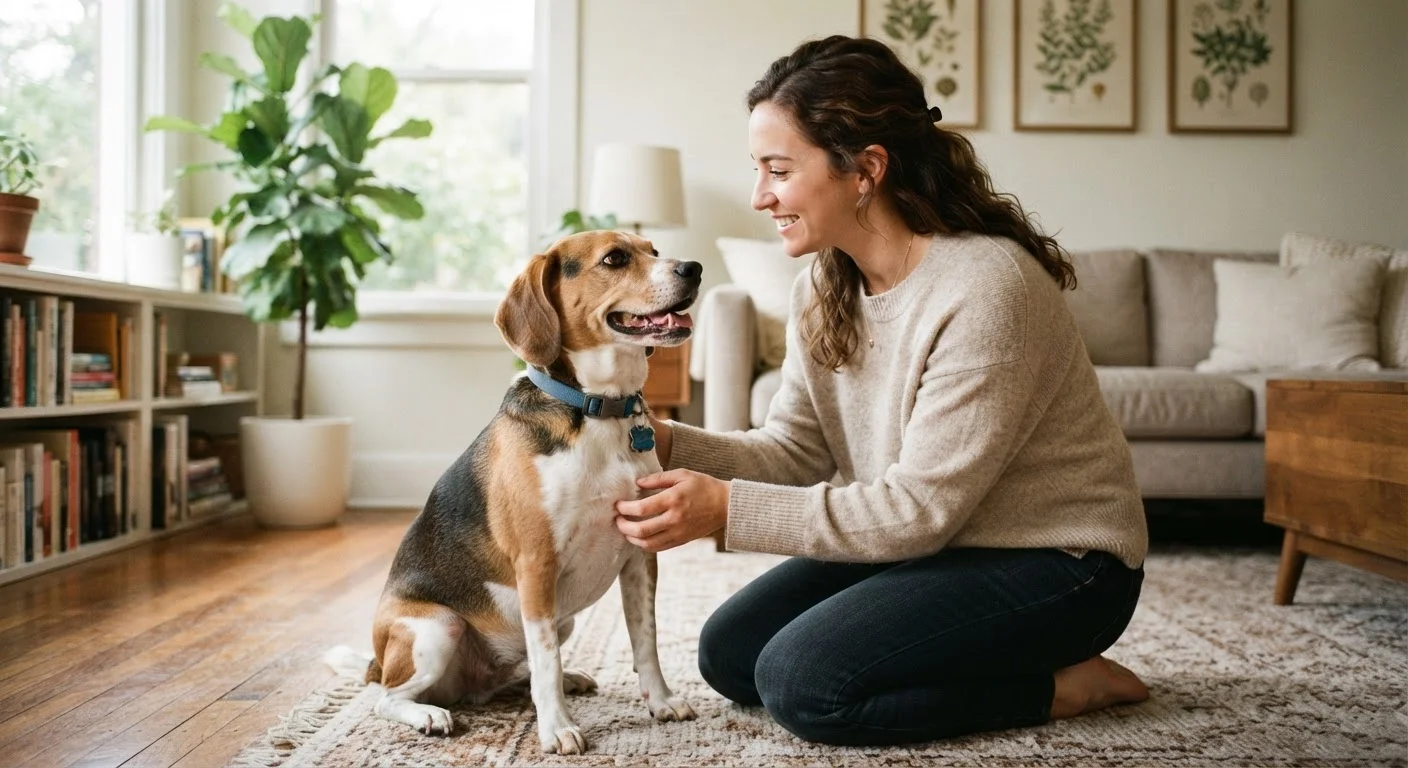
Photo credit: TopInfoTabs.com | Easy Insights For Inspiration
In this article
Structure the first month with your new dog using this practical, step-by-step guide to building trust and good habits.
Key Takeaways
- The first 72 hours should prioritize calm exploration, not commands or correction.
- A consistent daily schedule reduces anxiety and accelerates house-training for most dogs.
- Short, positive training sessions (5-10 minutes) are more effective than long, infrequent ones.
- Socialization and confidence-building in the final week set the tone for long-term behavior.
- Progress varies by dog - patience and consistency matter more than speed.
Days 1-3: Setting Up for a Calm Arrival
The first 72 hours in a new home can be overwhelming for a dog - every smell, sound, and face is unfamiliar. Your job during this window is not to train; it's to reassure. Before your dog even arrives, having the environment ready makes a significant difference. See our preparation checklist for everything to have in place before day one.
Set up a designated, quiet space - a crate, a bed in a low-traffic area, or a gated room - where your dog can retreat whenever the world feels like too much. Introduce this space with calm praise and, if your dog is food-motivated, a treat placed inside. Never use this space as punishment.
Let Your Dog Set the Pace
Resist the urge to rush introductions or push interaction in the first few days. Some dogs bounce back quickly; others need a full week before they relax enough to show their real personality. Following your dog's signals - rather than a rigid timeline - builds more trust faster.
Keep visitors and introductions to other pets minimal for at least the first 48 hours. Flooding a new dog with stimulation delays adjustment and can trigger avoidance or reactivity. Let the dog come to you on its own timeline.
Days 4-14: Establishing a Daily Routine
Predictability is one of the most powerful tools in dog training. By the end of the first week, your dog should begin to anticipate feeding times, outdoor bathroom breaks, and rest - and that predictability reduces anxiety significantly. A consistent schedule also makes house-training faster and more reliable.
Positive reinforcement
A training method where desired behaviors are immediately followed by something the dog finds rewarding - a treat, toy, or praise - making that behavior more likely to happen again.
Decompression period
The adjustment window - often the first few days to weeks - when a new dog needs time to settle before formal training or stimulation is introduced.
Generalization
A dog's ability to perform a learned behavior reliably in different locations, around different distractions, and with different people - not just in the spot where it was first taught.
Cue
A word, hand signal, or sound that prompts a specific behavior the dog has learned - for example, saying 'sit' to prompt a dog to sit.
Recall
The behavior of a dog returning to its owner when called - one of the most important safety skills any dog can learn.
Aim for the same wake-up time, three to four outdoor breaks at consistent intervals, meals at set times, and a wind-down period in the evening. Even on weekends. Dogs do not benefit from schedule inconsistency the way people might enjoy sleeping in.
This is also the phase for passive learning: practice name recognition by saying your dog's name and rewarding any eye contact with a treat or gentle praise. Keep it light. If your dog is still adjusting, don't push formal commands. For a fuller picture of what a healthy daily structure looks like, the daily routine every dog owner should know is a practical reference to build from.
Days 15-21: Introducing Foundation Training
By the midpoint of your first month, most dogs have settled enough to begin absorbing formal instruction. Start with four foundation behaviors: sit, stay, come (recall), and leave it. These aren't tricks - they're the communication backbone of a safe, cooperative relationship.
Use short, positive sessions of 5-10 minutes, two or three times a day. Positive reinforcement - rewarding desired behavior immediately with a treat, toy, or praise - is the method with the strongest evidence base for dogs. Avoid corrections that rely on fear or discomfort, which can damage the trust you've been carefully building.
Don't Generalize Too Soon
A behavior learned in one setting is not automatically reliable in others. Practice each cue across multiple environments and with varying levels of distraction before trusting it in a high-stakes situation, like off-leash recall near traffic. Rushing this stage is one of the most common early training mistakes.
Introduce one new cue at a time and confirm your dog understands it in at least three different locations before assuming it's learned. A dog that sits reliably in the kitchen may not yet generalize that behavior to a park. Generalization takes deliberate practice.
Days 22-30: Building Confidence and Consistency
The final stretch of your first month is about consolidation. Your dog knows the routine, has a handful of reliable cues, and is starting to read your communication style. Now is the time to gently expand their world: short, calm leash walks in new environments, controlled introductions to friendly dogs or people, and brief exposure to everyday sounds like traffic or children playing.
Continue daily training sessions but begin adding mild distractions - practicing a sit near the doorbell, or a stay while you move a few steps away. Incremental challenge, not sudden leaps, is what builds genuine confidence.
Don't overlook grooming as part of your routine at this stage - handling exercises (gently touching ears, paws, and mouth) now makes grooming and veterinary care easier for your dog's entire life. Our home grooming fundamentals guide explains how to approach this safely at home.
At 30 days, take stock honestly: which behaviors are solid, where does your dog still need support, and are there challenges - such as persistent pulling, reactivity, or separation anxiety - that would benefit from professional guidance? The first month is a beginning, not a finish line. For a broader view of your new dog's health needs alongside training, keeping a pet healthy is a companion resource worth bookmarking.
Before Your First Training Session: A Preparation Checklist
Walk through everything to have in place - equipment, environment, and mindset - before you begin any formal training with your new dog.
The Daily Routine Every Dog Owner Should Know
A practical breakdown of a consistent daily care routine, from morning walks to evening meals, designed to support a healthy, well-adjusted dog.
Keeping a Pet Healthy: A First-Time Owner's Foundation
Covers vaccinations, nutrition, exercise, and mental stimulation alongside guidance on when to call a vet - essential reading for new dog owners.
Frequently Asked Questions

Author
Pets & Animals Editorial Team
Pets & Animals Editorial Team is the collective byline for our editorial team and contributor network. Articles published under this byline or an editorial pen name are researched, written, and reviewed according to our editorial standards for clarity, consistency, and independence before publication.
View all articles →