
Brand Name vs. Generic: When the Difference Actually Matters
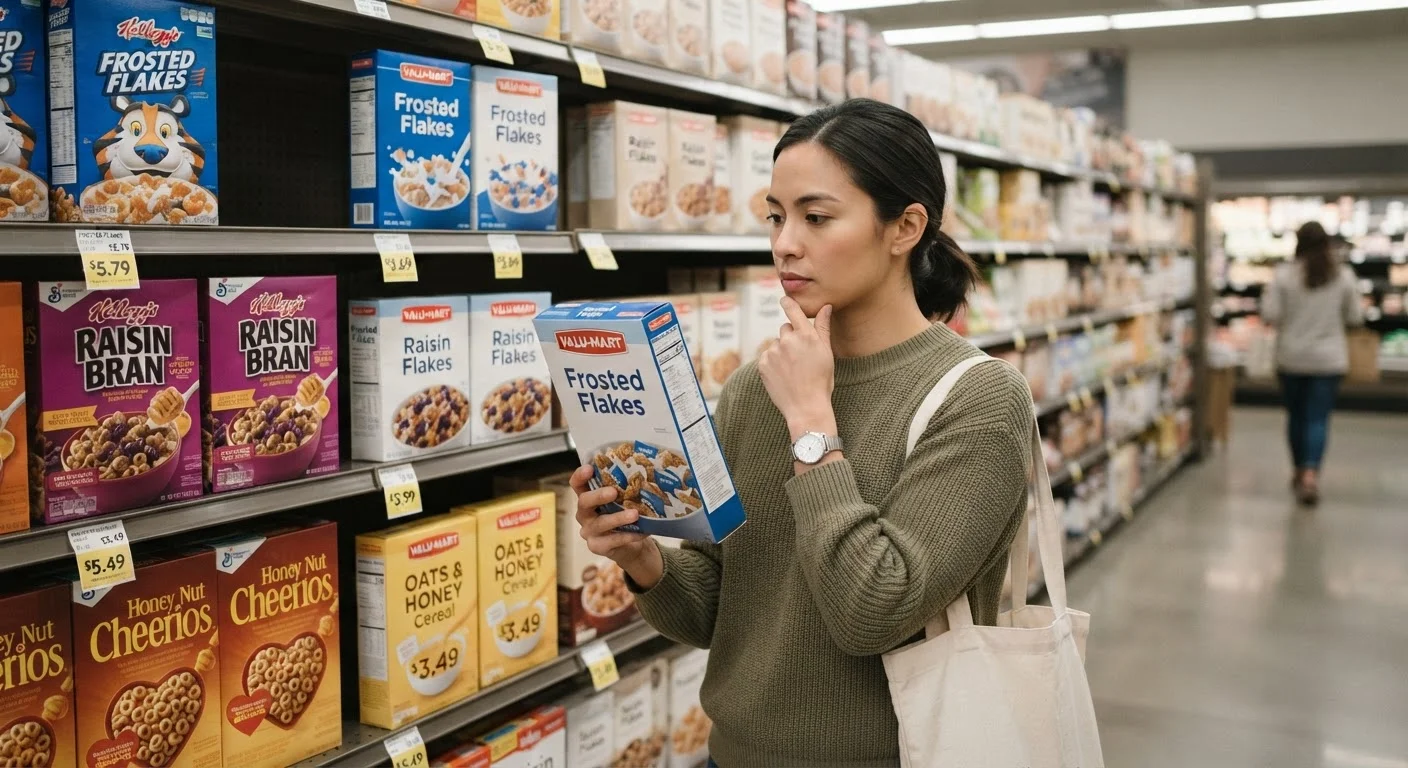
Photo credit: TopInfoTabs.com | Easy Insights For Inspiration
In this article
For some products, generics perform identically to name brands. For others, the gap is real. Learn the categories where each claim holds up.
Key Takeaways
- Generic OTC medications with identical active ingredients are regulated to the same FDA efficacy standards as brand-name equivalents.
- Food products, pantry staples, and cleaning supplies are categories where generics routinely match name-brand performance.
- Formulation complexity, proprietary delivery systems, and tightly controlled processes can create meaningful gaps in select categories.
- Marketing costs - not ingredient quality - often explain the majority of the price premium on name-brand consumer goods.
- Reading ingredient lists and active-ingredient panels is more reliable than price or packaging as a quality signal.
Why the Question Matters More Than Ever
Consumer prices have risen sharply across most categories in recent years, and the financial case for buying generic has never been more pressing. At the same time, the marketing surrounding name brands has grown more sophisticated - making it harder to distinguish genuine quality differences from packaging premium. The result: shoppers are left guessing.
The honest answer is that "brand vs. generic" is not a single question with a single answer. It is a category-by-category calculation. Some product gaps are real; most are not. Understanding what drives retail price vs. actual value is essential context before making any comparison.
| Category | Generic Equivalent? | Key Reason | |
|---|---|---|---|
| OTC Medications | Yes - regulated equivalent | FDA active-ingredient parity requirement | |
| Grocery Staples | Yes - typically identical | Commodity ingredients, shared manufacturers | |
| Cleaning Products | Mostly yes | Same core surfactants; minor formula variation | |
| Complex Skincare | Often no | Delivery system and stabilization differ | |
| Infant Formula | Verify carefully | FDA floors met, but formulation details vary | |
| Narrow-Index Rx Drugs | Consult prescriber | Bioequivalence range matters clinically |
Where Generics Are Genuinely Equivalent
Over-the-counter medications are the clearest case. In the United States, the FDA requires generic OTC drugs to contain the same active ingredient, at the same dosage, in the same form, with the same route of administration as the reference brand. That is a regulatory floor - not a marketing claim. A generic ibuprofen tablet and its name-brand counterpart are chemically required to deliver the same active compound in the same amount.
Grocery staples and pantry items represent another strong generic category. Flour, sugar, canned tomatoes, dried pasta, and baking soda are commodity products. Many store-brand versions are manufactured in the same facilities as name-brand equivalents. Taste-test research, including studies from consumer organizations, has repeatedly found minimal perceptible difference in blind comparisons for these items.
Household cleaning products - dish soap, laundry detergent, all-purpose cleaner - often share active cleaning agents (surfactants, enzymes) with their premium counterparts. The performance difference, where it exists at all, tends to be marginal relative to the price gap.
Use the Ingredient Panel, Not the Price Tag
For both food and personal care products, the ingredient list is the most reliable quality signal available to consumers. Ingredients are listed in descending order by weight, so the first few entries tell you what a product primarily consists of. If a generic and brand-name product share the same top ingredients in the same order, the functional difference is likely minimal. Price, packaging, and shelf placement tell you about marketing spend - not formulation quality.
Where the Brand Gap Can Be Real
Complex skincare formulations are a legitimate exception. A moisturizer's efficacy depends not just on active ingredients but on how they are stabilized, delivered, and combined - proprietary emulsion technology, encapsulation methods, and preservative systems can all affect how well an ingredient penetrates or remains active. A generic listing retinol at the same percentage as a brand-name product may not behave identically if the delivery system differs. That said, many "brand premium" skincare products are more marketing than science - always cross-check ingredient panels and look for independent dermatological testing. Be cautious of common label claims that sound scientific but carry no regulatory weight.
Infant formula is an area where scrutiny is warranted. While FDA nutritional standards apply to all formula sold in the US, differences in ingredient sourcing, quality control processes, and formulation specifics (DHA sources, probiotic strains) can vary. Parents should consult a pediatrician rather than relying on general guidance.
Prescription medications are more nuanced than OTC drugs. The FDA's bioequivalence standard for generics allows some variation in absorption rate (within an accepted range). For most medications this is clinically irrelevant, but for narrow therapeutic index drugs - where small concentration differences matter - a prescribing physician's guidance is warranted.
How to Make the Call Yourself
Rather than relying on price or brand recognition as proxies for quality, apply a simple framework:
- Check active ingredients. For medications, the active ingredient and dosage must be listed. Compare them directly. For food, compare the nutrition panel and ingredient list, not the brand name.
- Identify what drives the premium. Is it a patented delivery system, a certified origin, or a marketing budget? Understanding value versus price helps separate genuine functional differences from perceived ones.
- Look for third-party testing. Independent consumer testing organizations evaluate many product categories without financial ties to brands. Their data is more reliable than manufacturer claims.
- Try it yourself in low-stakes categories. For cleaning products, food staples, or paper goods, run a personal comparison. Your own experience in those categories is valid data.
The goal isn't reflexive brand loyalty or reflexive generic-buying - it's informed selection. In most everyday shopping categories, the label on the front of the package is the least useful piece of information available to you.
This article is for general informational purposes only and does not constitute medical, pharmaceutical, or financial advice. For decisions about medications or infant nutrition, consult a qualified healthcare professional.

Author
Smart Shopping Editorial Team
Smart Shopping Editorial Team is the collective byline for our editorial team and contributor network. Articles published under this byline or an editorial pen name are researched, written, and reviewed according to our editorial standards for clarity, consistency, and independence before publication.
View all articles →