
Cashback, Coupons, and Promo Codes: Which Savings Method Goes Further?
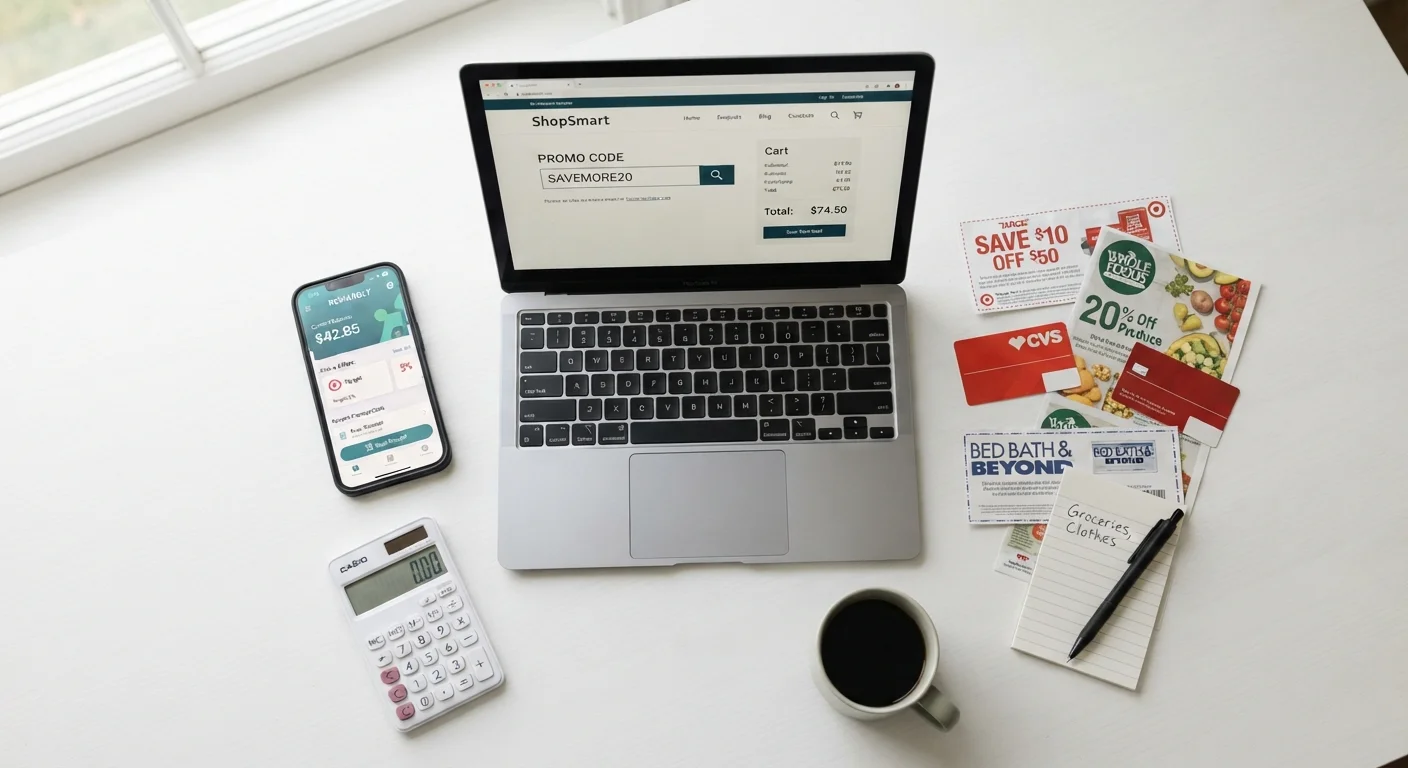
Photo credit: TopInfoTabs.com | Easy Insights For Inspiration
In this article
A side-by-side look at three common discount tools — how each works, where they fall short, and when combining them makes sense.
Key Takeaways
- Cashback returns a percentage of what you spend after the purchase, making it passive but delayed.
- Coupons reduce the price upfront but often come with product, quantity, or expiration restrictions.
- Promo codes offer immediate discounts but may require minimum spend or apply only to select items.
- Combining methods is sometimes possible and can meaningfully increase total savings.
- Hidden costs like shipping fees or membership requirements can offset any of these tools.
How Each Method Actually Works
Understanding the mechanics behind each tool is the first step to using them strategically rather than reactively.
Cashback
Cashback programmes - offered through credit cards, dedicated apps, or retailer portals - return a percentage of your purchase price after the transaction is confirmed. The reward is typically deposited into an account days or weeks later, and some programmes set a minimum balance before you can redeem. The discount is invisible at checkout, which means you need discipline to track it. That said, cashback requires almost no behavioural change: you shop as usual and earn a return on purchases you were already making.
Coupons
Traditional coupons, whether printed or digital, reduce the price of a specific product at the point of sale. They tend to carry more restrictions than the other two methods - product size, brand, quantity, and expiration date all factor in. Manufacturer coupons can often be combined with store sales, which is where their real power lies. The catch is that coupons can nudge you toward buying something you didn't need or a larger quantity than you'll use, which erodes the apparent saving. See how common savings myths can lead you astray here.
Promo Codes
Promo codes are alphanumeric strings entered at online checkout that trigger a discount - either a flat dollar amount, a percentage off, or free shipping. They're issued by retailers directly, through affiliate sites, or via email campaigns. Restrictions vary: some codes apply only to full-price items, require a minimum cart total, or exclude specific categories. Codes also expire, and widely shared codes are sometimes deactivated before they circulate widely.
Comparing the Trade-offs
Each tool has a different risk-reward profile depending on your shopping context.
| Cashback | Coupons | Promo Codes | |
|---|---|---|---|
| When discount is received | After purchase, often delayed | At point of sale | At checkout, immediately |
| Ease of use | Low effort once set up | Moderate - requires sourcing | Low - quick code entry |
| Typical restrictions | Minimum payout thresholds | Product, brand, expiration | Minimum spend, excluded items |
| Works in-store | Sometimes, via card or app | Yes, commonly | Rarely |
| Works online | Yes, via portal or card | Yes, digital coupons | Yes, primary channel |
| Stackable with other discounts | Often yes, check terms | Frequently yes | Sometimes, retailer-dependent |
| Risk of overspending | Low | Moderate - brand switching | Moderate - minimum spend |
One dimension that the table can't fully capture is behavioral cost - the time and attention each method demands. Cashback is low-maintenance once set up. Coupon hunting can become a time sink that pays below minimum wage on a per-hour basis for modest savers. Promo code searching sits in the middle: a quick search before checkout often takes under two minutes and can yield genuine savings, but the hit rate varies widely by retailer.
It's also worth factoring in what happens when things go wrong. If you return a purchase, cashback rewards are typically reversed. A coupon's value disappears along with the item. Promo codes applied to returned orders are usually not reinstated. These aren't reasons to avoid the tools - just conditions to understand before counting on the savings.
When Stacking All Three Makes Sense
The question isn't always which method to use - sometimes the right move is to layer them. Many retailers permit a promo code on top of a sale price while a cashback portal simultaneously tracks your purchase. Adding a manufacturer coupon to that stack, where applicable, can compound the reduction further.
Activate Cashback Before You Browse
Many cashback portals require you to click through from their site or app before adding items to your cart. Navigating to a retailer directly - even after activating the portal - can break the tracking link and void the reward. Make it a habit to start every online shopping session from your cashback dashboard rather than from a search engine or saved bookmark.
The practical sequence matters: activate your cashback portal or card first, apply any coupon at the product level, then enter your promo code at checkout. Doing it out of order can cause the cashback portal to miss the transaction or the coupon to be displaced by the code.
Stacking has real limits, though. Retailers increasingly restrict code use during sale periods, and some cashback portals exclude purchases made through certain payment methods. Before assuming you can layer all three, check each programme's terms. For a detailed look at how these interactions play out, see how combining offers works - and when it backfires.
Also keep in mind that a headline saving can be partially or fully erased by fees you didn't account for. Hidden costs like shipping and restocking fees are worth calculating before celebrating any deal. And if you want a framework that goes beyond individual tactics, building a savings strategy around your actual spending patterns is a logical next step.
Separating Real Value from Marketing Noise
Each of these tools is also a marketing instrument. Cashback rates are sometimes elevated on categories where retailers have high margins, nudging you toward products that benefit them. Coupons are frequently issued for new products retailers want to trial in your household, or for package sizes that aren't the most economical per unit. Promo codes distributed via email campaigns are designed to re-engage lapsed customers - the "exclusive" framing is often cosmetic.
60%+
Coupons redeemed for items already planned
Research from consumer behaviour studies consistently suggests the majority of coupon use occurs for purchases consumers intended to make anyway - though exact figures vary by survey.
~1-5%
Typical cashback rate on general purchases
General-category cashback rates on most credit card and portal programmes fall in this range; category-specific rates can be higher for limited periods.
None of this makes the tools worthless - it means you should apply them to purchases already on your list rather than letting them generate new ones. The discipline of asking "would I buy this without the discount?" before redeeming any offer is one of the most reliable ways to ensure the savings are genuine. Psychological patterns in discount shopping - like the thrill of finding a deal - can make this harder than it sounds, but awareness is a meaningful defence.
This article is for general informational purposes only and does not constitute financial advice. Readers should review the specific terms and conditions of any cashback, coupon, or promotional programme before participating.

Author
Smart Shopping Editorial Team
Smart Shopping Editorial Team is the collective byline for our editorial team and contributor network. Articles published under this byline or an editorial pen name are researched, written, and reviewed according to our editorial standards for clarity, consistency, and independence before publication.
View all articles →