
The Hidden Reasons Your Outfits Feel 'Off'
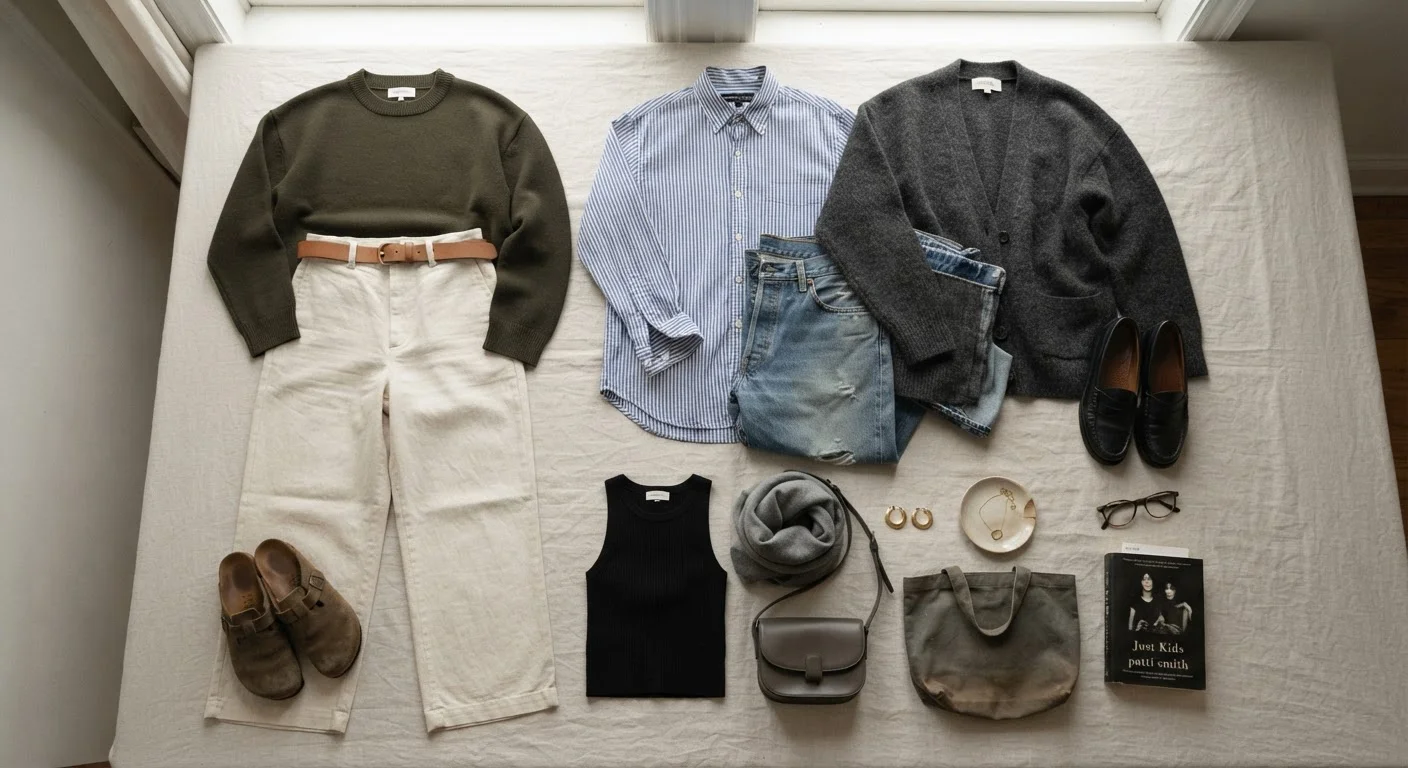
Photo credit: TopInfoTabs.com | Easy Insights For Inspiration
In this article
When an outfit looks fine on paper but wrong in the mirror, these common — and fixable — style missteps are usually to blame.
Key Takeaways
- Outfits that feel 'off' are usually the result of a few identifiable, correctable style habits.
- Dressing for an imagined lifestyle rather than your real one is one of the most common culprits.
- Fit, proportion, and personal color alignment matter more than following current trends.
- Building a style identity rooted in your actual preferences creates more consistent, confident outfits.
Why Perfectly Good Clothes Can Still Feel Wrong Together
You've stood in front of a full closet feeling like you have nothing to wear. Or you've put together an outfit that looks fine in theory but feels awkward the moment you step outside. This experience is remarkably common - and it's rarely about having the wrong clothes.
More often, the culprit is a set of quiet, habitual missteps that quietly undermine your look before you've even left the house. The good news: once you can name them, they're genuinely easy to address. This is about learning to dress for you rather than for a Pinterest board or a lifestyle you don't actually live.
If you've been building your wardrobe with intention but still hitting a wall each morning, our wardrobe audit guide is a useful companion to the mistakes outlined below - it helps surface what your closet is already telling you about your instincts.
Buying for an aspirational lifestyle rather than your actual one.
Why it happens: It's easy to shop in the mindset of the person you imagine being - someone who attends gallery openings or weekend farmers' markets - rather than the life you're actually living day to day.
Wearing clothes that technically fit but aren't proportioned for your frame.
Why it happens: Standard sizing addresses measurements but not silhouette. A shirt can button across the chest and still feel shapeless if the shoulders sit too wide or the torso is too long.
Treating trend adoption as a substitute for personal style.
Why it happens: Trend content is relentless and persuasive, and it's natural to mistake 'what's popular right now' for 'what will look good on me.' The result is often a closet full of items that don't connect to each other or to your own aesthetic.
Ignoring how specific colors interact with your natural coloring.
Why it happens: Most people buy colors they like in the abstract - on a hanger, on a screen - without testing how those shades read next to their skin tone, hair, and eye color in real light.
Overlooking the role of texture and fabric weight in how an outfit reads.
Why it happens: People tend to focus on color and silhouette while underestimating how much texture contributes to whether a look feels intentional or thrown together.
How to Start Dressing Like Yourself Again
Fixing that persistent 'off' feeling isn't about buying new things or overhauling everything at once. It's about recalibrating a few core habits so that your clothes start working with your actual life, body, and preferences rather than against them.
80%
Of wardrobe items rarely or never worn
Research and consumer surveys consistently find that most people regularly wear only about 20% of what's in their closet, suggesting a disconnect between purchases and actual lifestyle needs.
~10 seconds
Time taken to form a first impression
Social psychology research suggests people form rapid visual impressions; what you wear communicates a lot before a word is spoken, making fit and coherence particularly impactful.
Start by auditing just one category - say, how clothes fit across the shoulders, or how often you reach for a particular color. Small, focused observations tend to be far more actionable than a sweeping closet clear-out.
If decision fatigue is part of the problem, outfit formulas can take a lot of the daily guesswork off the table. And if you want to build more lasting confidence in how you dress day to day, the practical habits in our guide to wardrobe confidence can help you stop second-guessing every combination you reach for.
The goal isn't a perfect wardrobe - it's a wardrobe that feels like yours.
Avoid Overhauling Your Wardrobe All at Once
A sweeping closet purge can feel satisfying but often leads to impulsive replacement purchases that recreate the same problems. Work through your wardrobe category by category, identifying patterns in what you avoid wearing and why. Gradual, informed changes tend to stick - and save money over time.

Author
Style & Beauty Editorial Team
Style & Beauty Editorial Team is the collective byline for our editorial team and contributor network. Articles published under this byline or an editorial pen name are researched, written, and reviewed according to our editorial standards for clarity, consistency, and independence before publication.
View all articles →