
Raw Diets vs. Commercially Prepared Pet Food: What the Evidence Says
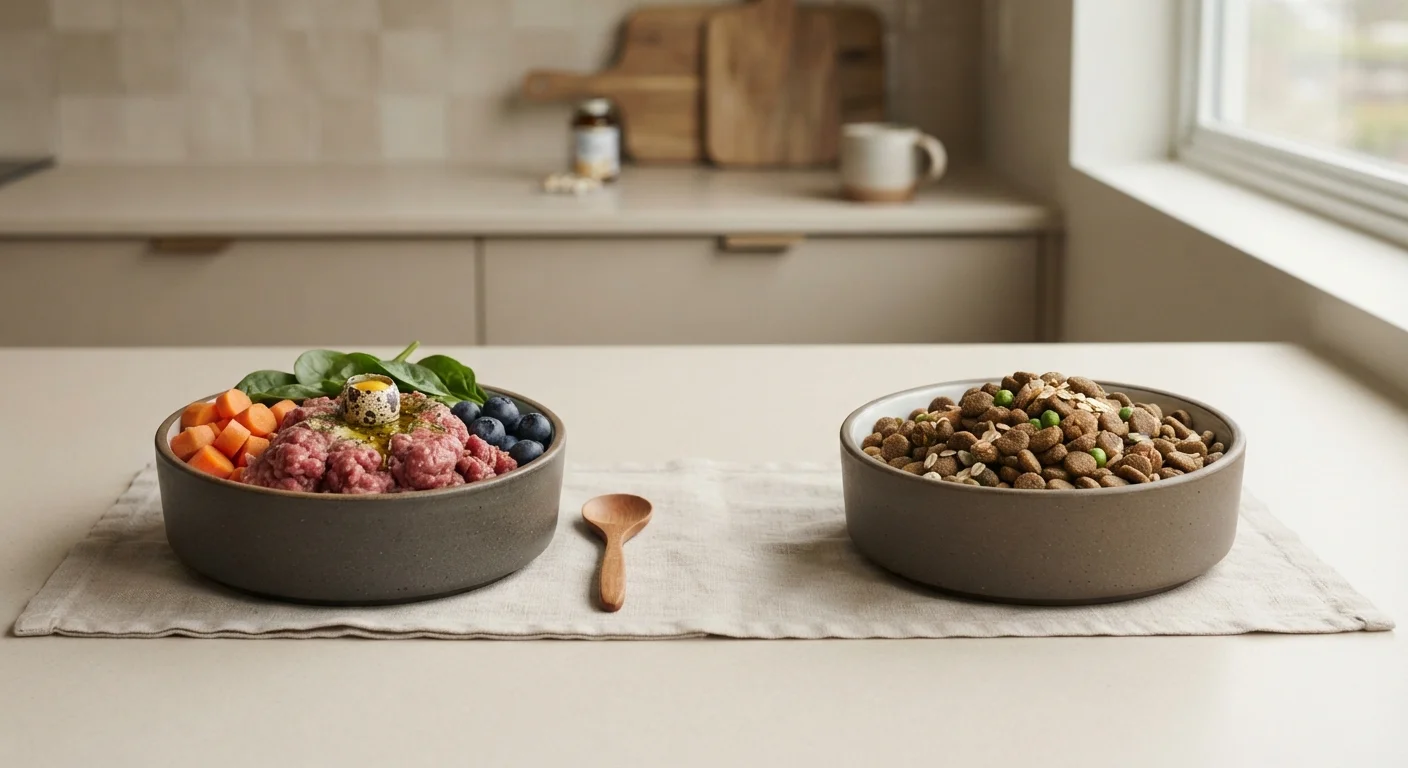
Photo credit: TopInfoTabs.com | Easy Insights For Inspiration
In this article
A balanced look at the nutritional claims, risks, and practical considerations of raw feeding compared to processed pet food options.
Key Takeaways
- Raw diets can carry genuine pathogen risks for both pets and the humans who handle the food.
- Commercially prepared pet foods meeting AAFCO standards are formulated to be nutritionally complete for a given life stage.
- Neither approach is universally superior - individual pet health, owner capacity, and veterinary guidance all matter.
- Nutritional deficiencies in homemade raw diets are common without expert formulation.
- Always consult a veterinarian before making significant changes to your pet's diet.
What the Debate Is Really About
The raw-vs-commercial debate in pet nutrition often generates more heat than light. Advocates for raw feeding argue that unprocessed meat, bones, and organs more closely mirror the ancestral diet of dogs and cats. Proponents of commercial food counter that modern formulation science produces reliably balanced nutrition in every serving. Both sides have points worth examining - and significant blind spots.
Understanding this discussion means separating marketing language from peer-reviewed evidence. For a broader look at how processing levels factor into diet quality debates, the processing spectrum explained offers useful framing. The same critical lens applies when evaluating pet food claims.
The Case for Commercial Pet Food
In the United States, commercial pet foods labeled "complete and balanced" must meet nutritional profiles established by the Association of American Feed Control Officials (AAFCO). These standards define minimum nutrient requirements for different life stages - puppy or kitten, adult, and senior - and manufacturers are required to either formulate to these profiles or conduct feeding trials.
This regulatory framework means a dog or cat eating a compliant commercial diet is, by design, receiving all essential vitamins, minerals, amino acids, and fatty acids in appropriate proportions. Manufacturing controls also reduce - though do not eliminate - the risk of pathogen contamination through heat treatment.
Knowing how to interpret labels is an important companion skill. Reading pet food labels without the confusion walks through what each section of a label actually tells you, including the guaranteed analysis and ingredient order.
| Raw Diet | Commercial Prepared Food | |
|---|---|---|
| Nutritional completeness | Variable; requires expert formulation | Standardized via AAFCO profiles |
| Pathogen risk | Higher (Salmonella, Listeria, E. coli) | Lower; reduced by heat processing |
| Processing level | Minimal to none | Moderate to high |
| Convenience | Time-intensive; special storage needed | High; shelf-stable or refrigerated options |
| Cost | Often higher, especially if sourced carefully | Wide range; budget to premium tiers |
| Evidence base | Limited peer-reviewed studies | Decades of formulation research |
| Regulatory oversight | Minimal for homemade; some for commercial raw | AAFCO and FDA guidelines apply |
The Case for Raw Feeding - and Its Limits
Proponents of raw diets - sometimes called BARF (Biologically Appropriate Raw Food) or prey-model diets - argue that minimal processing preserves naturally occurring enzymes and nutrients. Some owners report improvements in coat condition, stool consistency, and energy levels after switching. However, these observations are largely anecdotal; robust, peer-reviewed clinical trials on raw diets in companion animals remain limited.
The documented risks are more concrete. Multiple veterinary and public health organizations, including the American Veterinary Medical Association (AVMA), have raised concerns about raw meat-based diets. Studies have consistently detected Salmonella, Listeria, and E. coli in commercially available raw pet food products. These pathogens pose risks not only to pets but to household members through environmental contamination and contact with pet feces.
Nutritional imbalance is a separate, significant concern. Research published in veterinary nutrition journals has found that a majority of homemade raw diet recipes available online fail to meet AAFCO nutrient profiles - often lacking calcium, key vitamins, or essential fatty acids. Deficiencies may not be apparent for months or years, by which time damage can be difficult to reverse.
Raw Diets and Household Food Safety
Handling raw pet food introduces the same cross-contamination risks as handling raw meat in a human kitchen. Wash hands thoroughly after contact, sanitize preparation surfaces, and store raw pet food separately from human food. Households that include pregnant individuals, young children, elderly adults, or anyone with a compromised immune system should carefully weigh these risks and discuss them with both a physician and a veterinarian before choosing a raw diet.
Reading Your Pet's Response: Signs to Watch
Regardless of which diet approach you use, monitoring your pet's condition is essential. Signs associated with good nutritional health include a glossy coat without excessive shedding, consistent energy appropriate to age and breed, stable body weight, and regular, well-formed stools. Coat dullness, persistent digestive upset, unexplained weight changes, or lethargy can indicate a nutritional problem - though these signs also accompany many other health conditions.
Weight management is a particularly important indicator. the real reasons pets develop obesity details how diet composition and feeding habits intersect with this common problem. Both raw and commercial diets can contribute to obesity if portion control is not practiced.
These observations should inform conversations with your veterinarian rather than replace them. A vet can perform bloodwork to check for deficiencies or organ stress that aren't visible to the naked eye.
Tracking Changes After a Diet Switch
If you transition your pet to any new diet - raw or commercial - do so gradually over seven to ten days to minimize digestive upset. Keep a simple log noting stool consistency, appetite, energy level, and coat condition. Share this record at your next veterinary appointment. Sudden or severe changes in any of these areas warrant a prompt vet visit rather than waiting to see if they resolve on their own.
Making an Informed Decision
There is no single diet format that is correct for all pets or all households. A senior dog with kidney disease has different nutritional needs than a healthy two-year-old cat. A household with young children or immunocompromised members faces different food safety calculations than a single adult with no vulnerable contacts.
If you are drawn to raw feeding, the most responsible path involves consulting a board-certified veterinary nutritionist to develop a balanced, complete formulation rather than relying on general recipes found online. Strict hygiene protocols for food handling and preparation surfaces are non-negotiable.
If you use commercial food, choosing products that meet AAFCO standards and are appropriate for your pet's life stage is the foundational step. For a closer look at how wet and dry formats compare within commercial options, wet food vs. dry food for cats and dogs provides useful detail. And for common misconceptions about both raw and commercial options, common myths about pet nutrition, corrected is worth reading alongside this article.
This article is for general informational and educational purposes only and does not constitute veterinary or medical advice. Always consult a licensed veterinarian before making significant changes to your pet's diet, especially if your pet has existing health conditions.

Author
Pets & Animals Editorial Team
Pets & Animals Editorial Team is the collective byline for our editorial team and contributor network. Articles published under this byline or an editorial pen name are researched, written, and reviewed according to our editorial standards for clarity, consistency, and independence before publication.
View all articles →