
Fabric Matters: A Plain-Language Guide to Everyday Clothing Materials
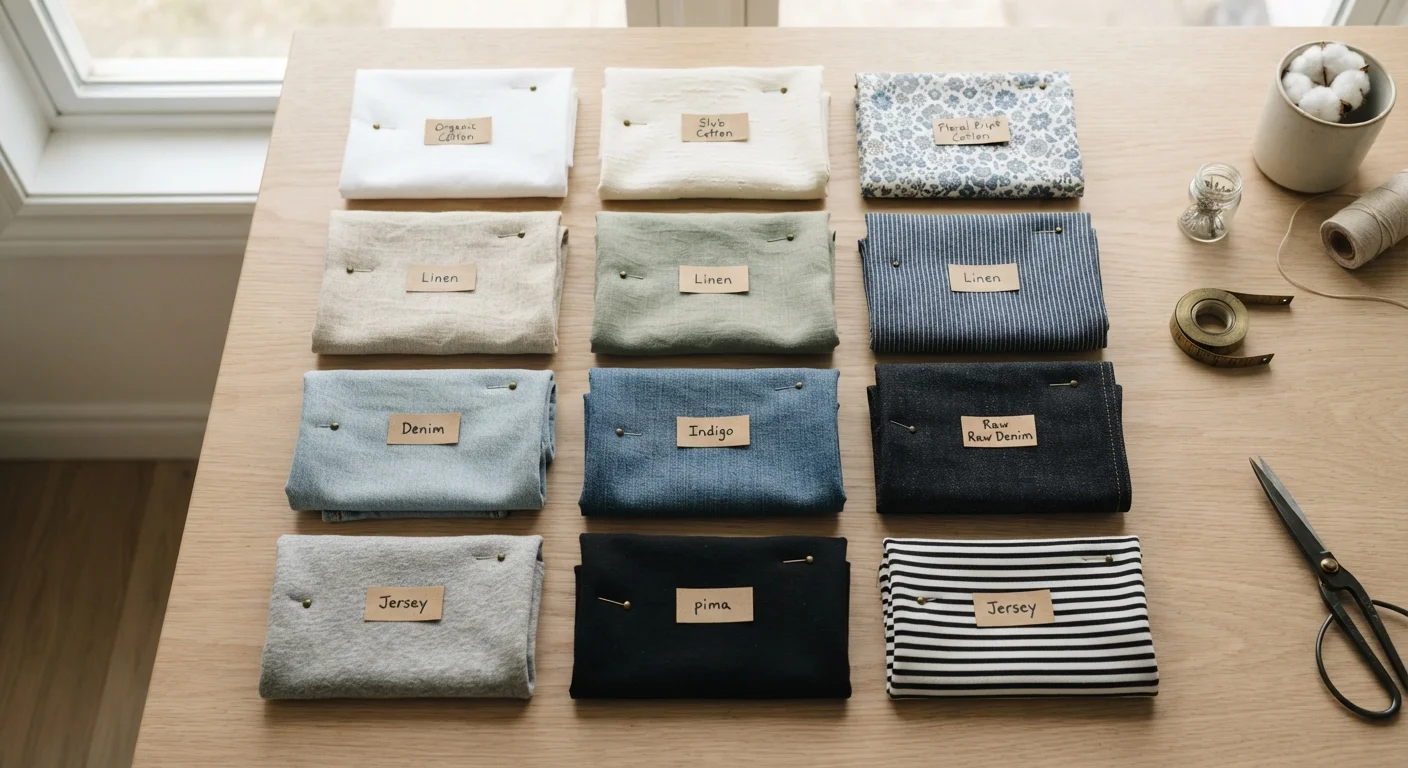
Photo credit: TopInfoTabs.com | Easy Insights For Inspiration
In this article
Cotton, linen, polyester, viscose — what do these actually feel and perform like day to day? A clear reference to the fabrics you'll encounter most.
Why Fabric Knowledge Changes How You Shop and Dress
Most clothing labels list a fiber content - 100% cotton, 72% polyester, 28% viscose - but few of us were ever taught what those numbers actually mean in practice. Does this shirt breathe? Will these pants pill after three washes? Knowing a fabric's basic character answers those questions before you've even tried something on.
This guide covers the materials you'll encounter most in everyday clothing. No technical manufacturing detail - just honest, plain-language descriptions of how each fabric feels, performs, and holds up over time. Pair this reference with our breakdown of fast vs. slow fashion labels to build a more informed wardrobe picture overall.
| Most common everyday fiber | Cotton |
| Most breathable natural fiber | Linen |
| Most wrinkle-resistant synthetic | Polyester |
| Best odor-resistant fiber | Merino wool |
| Fiber requiring most delicate care | Silk |
| Common fabric blend (comfort + durability) | Cotton-polyester |
The Core Fabrics: Natural and Synthetic
Clothing materials fall into two broad camps: natural fibers (grown or produced by animals and plants) and synthetic fibers (made from processed chemicals, usually petroleum-based). Many everyday garments blend both.
Natural fiber
A textile fiber derived from plants (such as cotton and linen) or animals (such as wool and silk). Natural fibers are generally breathable and biodegradable.
Synthetic fiber
A textile fiber manufactured through chemical processes, typically from petroleum derivatives. Examples include polyester and nylon. Synthetics are often durable and wrinkle-resistant but may breathe less well than natural alternatives.
Semi-synthetic fiber
A fiber made from a natural raw material (usually plant cellulose) that has been heavily processed. Viscose and rayon are common examples - they drape like naturals but are produced through industrial methods.
Fabric blend
A fabric woven or knitted from two or more different fiber types. Blends are formulated to balance properties like softness, durability, stretch, and ease of care.
Pilling
The formation of small fiber balls on a fabric surface caused by friction during wear or washing. Pilling is more common in looser-spun fibers such as acrylic and some wool knits.
Moisture-wicking
The ability of a fabric to draw perspiration away from the skin and disperse it across the fabric surface so it evaporates more quickly. Common in performance and activewear fabrics.
Natural Fibers at a Glance
- Cotton - Soft, breathable, and widely available. Washes easily and feels comfortable against skin, making it a reliable choice for everyday basics. It does wrinkle readily and can shrink in hot water.
- Linen - Made from flax plant fibers, linen is exceptionally breathable and gets softer with repeated washing. It wrinkles almost immediately, which many people embrace as part of its character.
- Wool - Naturally insulating and moisture-wicking. Fine merino wool can be worn year-round and resists odor remarkably well. Wool typically needs gentler care than cotton.
- Silk - Lightweight, lustrous, and temperature-regulating. It's a delicate fiber that usually requires hand-washing or dry cleaning.
Synthetic and Semi-Synthetic Fibers
- Polyester - Durable, wrinkle-resistant, and quick-drying. Less breathable than natural fibers, which can feel uncomfortable in heat. Holds color well and is used in everything from activewear to work trousers.
- Nylon - Strong, stretchy, and abrasion-resistant. Common in hosiery, activewear, and outerwear lining. Similar breathability limitations to polyester.
- Viscose / Rayon - Made from processed wood pulp, so it sits between natural and synthetic. Drapes beautifully and feels cool, but is prone to shrinking and losing shape when wet.
- Acrylic - Often used as a wool alternative in knitwear. Lightweight and warm, though it can pill over time and generates static.
Blends: When Two Fibers Work Together
A fabric blend aims to combine the strengths of different fibers. A cotton-polyester mix, for example, brings cotton's softness together with polyester's wrinkle resistance and durability - useful for items you want low-maintenance. A wool-acrylic blend keeps warmth while reducing cost and care demands.
Watch for Shrinkage in Blends
Even a small percentage of natural fiber in a blend can cause some shrinkage in high heat. If a label says 60% cotton / 40% polyester, the cotton component may still contract in a very hot dryer. When in doubt, wash cooler and air dry, then check the care label instructions for that specific garment.
Blends are neither inherently better nor worse than single-fiber fabrics. What matters is whether the combination suits your specific use case - a hot commute, a formal meeting, an active weekend. Once you know what each component does, reading a blended label becomes straightforward.
When you're ready to take better care of whatever fabrics you own, our complete guide to caring for everyday clothes walks through washing, storing, and minor repairs by fabric type.
~35%
Share of global fiber production that is cotton
Cotton remains one of the most widely produced textile fibers worldwide, according to industry estimates from the Textile Exchange Preferred Fiber & Materials Report.
~55%
Share of global fiber production that is synthetic
Synthetic fibers, led by polyester, account for the majority of all fiber produced globally, per Textile Exchange industry reporting.
Choosing Fabric for Your Actual Life
There's no universally ideal fabric - only fabrics that are right for specific situations. A few practical frames to guide your thinking:
- Warm climates or heated offices: Prioritize breathable naturals like cotton and linen, or moisture-wicking performance blends designed for airflow.
- Cold weather layering: Wool (particularly merino) and heavyweight cotton fleece insulate well without bulk.
- Easy-care routines: Polyester and cotton-poly blends survive machine washing and don't need ironing. Helpful if laundry time is limited.
- Sensitive skin: Tightly woven, soft cottons and fine merino wool tend to be gentler. Coarser wool and synthetic fabrics can irritate some people.
- Longevity: Natural fibers like cotton, linen, and wool typically age well with correct care, often softening and improving over time.
Building fabric literacy is one of the most underrated habits for dressing with genuine confidence. For more practical wardrobe thinking, see our everyday habits for wardrobe confidence.
Caring for Your Everyday Clothes
A detailed, fabric-by-fabric walkthrough of washing, drying, storing, and repairing garments to extend their life. A natural next step after learning what your clothes are made of.
Fast Fashion vs. Slow Fashion Label Guide
Helps you interpret what production and label terminology really means for your wardrobe choices, complementing your understanding of fiber content.

Author
Style & Beauty Editorial Team
Style & Beauty Editorial Team is the collective byline for our editorial team and contributor network. Articles published under this byline or an editorial pen name are researched, written, and reviewed according to our editorial standards for clarity, consistency, and independence before publication.
View all articles →