
Why 'Wear It Once' Culture Is Quietly Draining Your Wardrobe
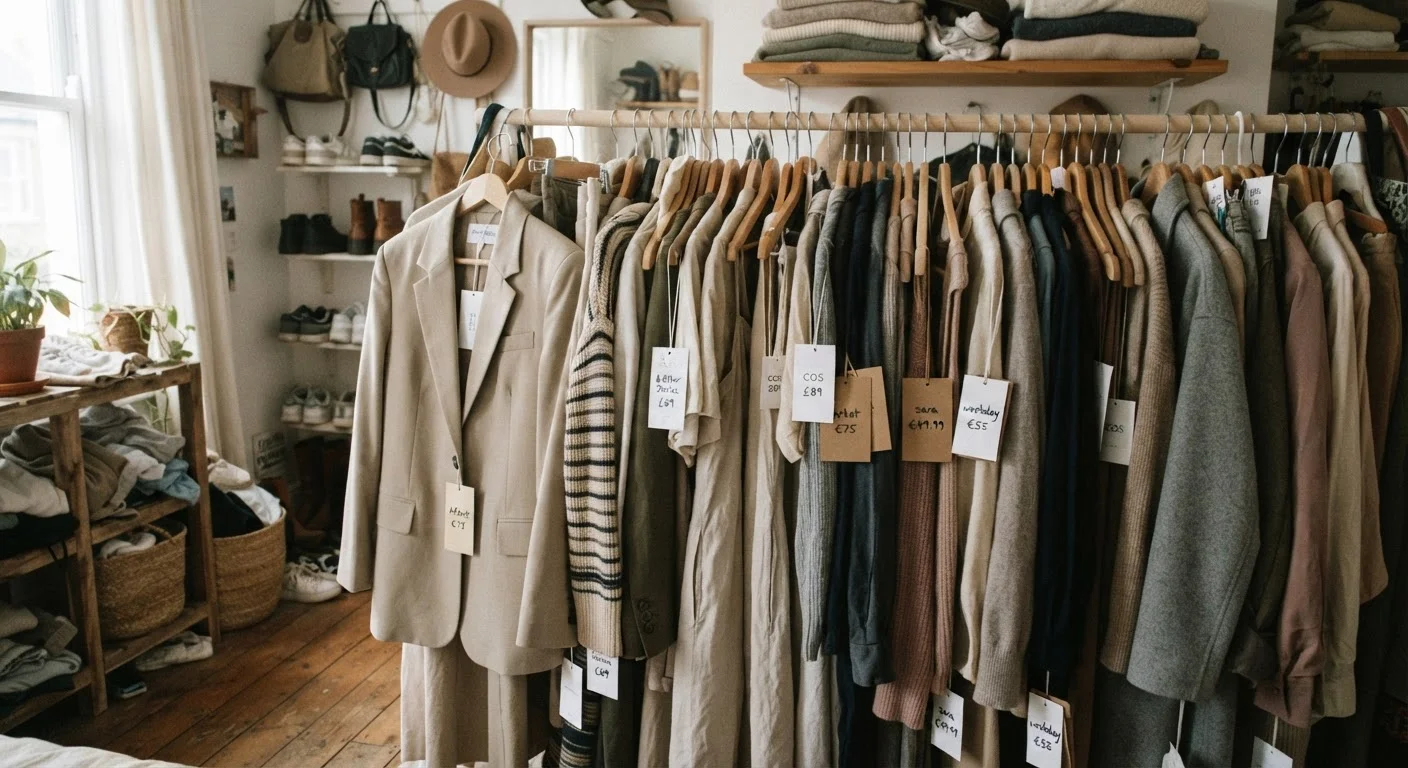
Photo credit: TopInfoTabs.com | Easy Insights For Inspiration
In this article
The habit of treating clothes as single-use isn't just costly — it makes dressing harder. Here's what's really happening and how to shift the pattern.
Key Takeaways
- Treating clothes as single-use creates a cycle of spending without building a functional wardrobe.
- Most 'wear it once' purchases share common traits: trend-driven, poorly fitting, or lacking versatility.
- Shifting toward intentional buying and repeat styling makes dressing easier and more satisfying.
- A smaller, well-used wardrobe outperforms a large, underused one for daily ease and personal style.
The Real Cost of One-and-Done Dressing
There's a quiet pattern affecting a lot of closets: items worn exactly once - or never at all - while the same handful of reliable pieces carries all the daily weight. It's not laziness. It's the predictable result of how most of us have been conditioned to shop and think about clothes.
The 'wear it once' mindset treats clothing like a consumable rather than a resource. A piece gets purchased for a specific event, a trend moment, or an aspirational version of daily life that never quite materializes. Then it hangs there, taking up space and making the whole wardrobe feel more cluttered and less useful. If getting dressed feels harder the more clothes you own, this is likely why.
The financial drain is real - but the psychological one is just as significant. Decision fatigue, wardrobe guilt, and the constant sense that you have "nothing to wear" despite a packed closet are all symptoms of the same underlying issue. The good news: shifting the pattern doesn't require a dramatic overhaul. It starts with recognizing the specific mistakes that feed it. See how a smaller, curated wardrobe can actually solve this cycle.
~50%
Of clothing items rarely or never worn
Research by various wardrobe studies and closet audit surveys consistently suggests that roughly half of the average person's wardrobe goes unworn in any given year.
3x
Repeat wears needed to offset fashion's environmental footprint
Environmental researchers have noted that extending the active life of a garment significantly reduces its per-wear resource and carbon impact.
Common Mistakes That Keep the Cycle Going
These aren't character flaws - they're patterns that make complete sense given how fashion is marketed and how social occasions are framed. Identifying them is the first step toward breaking out of the loop.
Buying specifically for one event with no plan to rewear.
Why it happens: Occasions feel unique, and the pressure to wear something 'new' or 'special' is real - especially when social media visibility makes repeat outfits feel risky.
Chasing micro-trends that expire within a season.
Why it happens: Fast-fashion cycles and social media create a sense that trend windows are tiny, making 'now-or-never' purchasing feel rational.
Buying in the wrong fit with the intention of 'making it work.'
Why it happens: Sales pressure, limited sizing options, or the hope that a piece will feel different once home leads to purchases that never quite feel right - and therefore never get worn.
Filling gaps with more clothes instead of better styling.
Why it happens: When an outfit doesn't come together, the instinct is to add more rather than rework what's already there. This accumulates pieces without resolving the actual problem.
Keeping unworn items out of guilt rather than letting them go.
Why it happens: The sunk-cost effect makes it feel wasteful to let go of something purchased, even when it's clear the item isn't being worn.
Once you've spotted which of these patterns feels most familiar, the path forward becomes much clearer. Intentional dressing is about building toward a wardrobe that actually reflects how you live - not an idealized version of it.
Building Habits That Actually Stick
Avoiding 'wear it once' culture isn't about rigid rules or minimalist extremes - it's about making choices that hold up over time. A few practical shifts make a measurable difference.
Ask the 'worn three times' question before buying. Before purchasing anything, consider whether you can picture yourself wearing it in at least three different contexts. If you're struggling to picture even two, that's useful information. This single filter eliminates a large share of impulse purchases without requiring a budget overhaul.
Style existing pieces first. Before reaching for something new, spend five minutes restyling something you already own. Tucking, layering, or pairing pieces differently often surfaces looks you'd forgotten were possible. It also reinforces the habit of seeing your wardrobe as a system rather than a collection of individual items. For practical help with this, streamlining your morning routine is worth exploring.
Build in seasonal check-ins. Regularly reviewing what you own - and honestly assessing what's being ignored - keeps the wardrobe useful rather than accumulative. Seasonal wardrobe audits are one of the most effective ways to stay ahead of clutter before it builds up again.
More Clothes Rarely Means More Outfits
It's counterintuitive, but a very large wardrobe often produces fewer functional outfits than a smaller, cohesive one. When too many items compete for attention, decision fatigue sets in and the same safe pieces win every day. Adding more rarely solves the 'nothing to wear' feeling - reassessing what you already own usually does.
If you're starting from scratch or want to rebuild more intentionally, building a capsule wardrobe from the ground up is a structured, approachable way to begin.

Author
Style & Beauty Editorial Team
Style & Beauty Editorial Team is the collective byline for our editorial team and contributor network. Articles published under this byline or an editorial pen name are researched, written, and reviewed according to our editorial standards for clarity, consistency, and independence before publication.
View all articles →