
The Truths and Myths Surrounding Smartphone Camera Megapixels
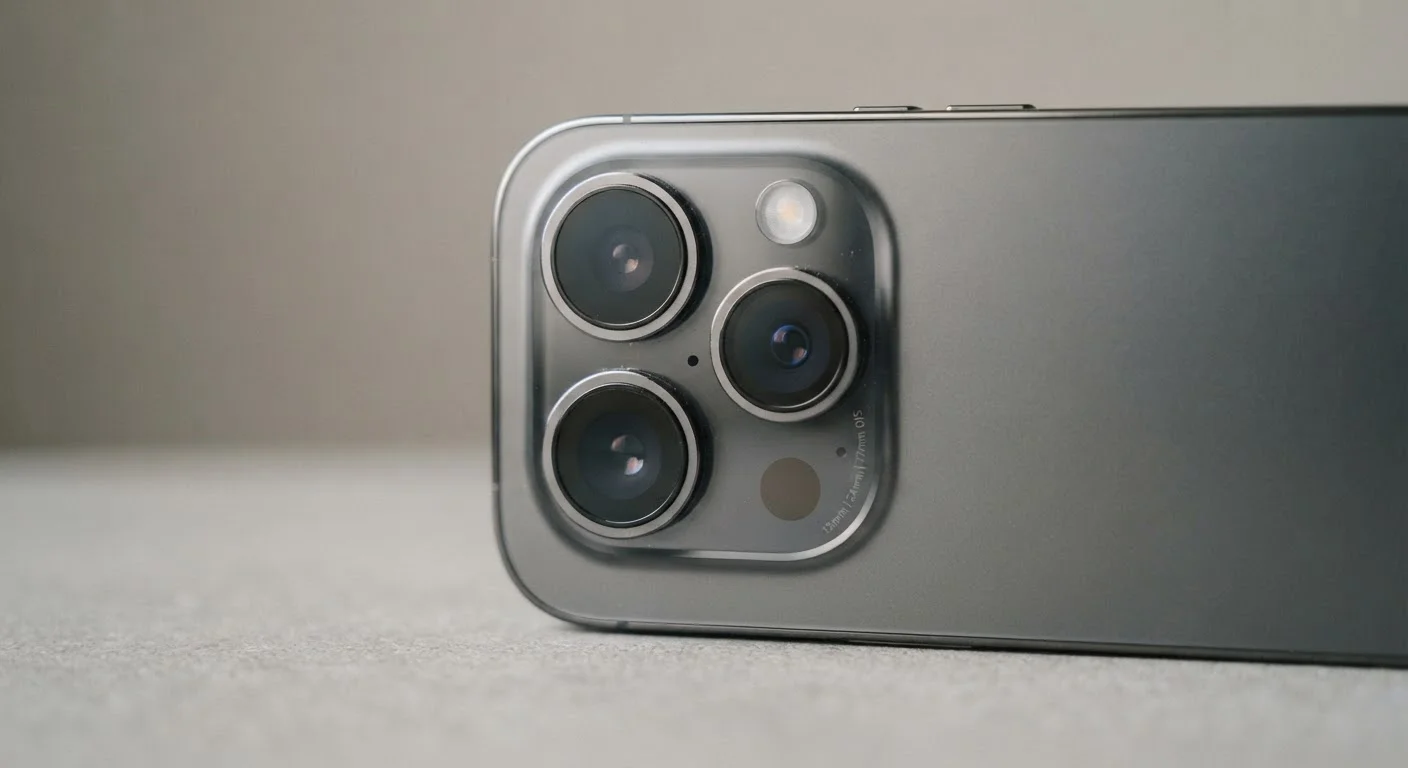
Photo credit: TopInfoTabs.com | Easy Insights For Inspiration
In this article
More megapixels doesn't always mean better photos. Separate the marketing hype from the optics science behind mobile camera performance.
Key Takeaways
- Megapixel count measures sensor resolution, not overall photo quality or clarity.
- Pixel size, lens aperture, and image processing software have more impact on real-world results than raw megapixel numbers.
- A 12MP image from a well-engineered sensor often outperforms a 200MP image captured in poor conditions.
- Multiple camera lenses on a phone serve distinct purposes - more lenses doesn't automatically mean better images.
- Software-driven computational photography now rivals and sometimes exceeds hardware upgrades in determining image output.
Why Megapixels Became the Go-To Marketing Metric
When smartphone manufacturers began advertising cameras, they needed a simple, comparable number - and megapixels fit the bill. A megapixel equals one million pixels, and the figure describes how many individual light-capturing points exist on a camera sensor. On paper, more pixels means more data, so the assumption that more data equals better photos felt logical enough to stick.
The problem is that photography quality is a system-level outcome. It depends on the size of individual pixels, the optical quality of the lens, the aperture (how much light the lens admits), and - increasingly - the software algorithms that process raw sensor data into a finished image. Megapixels are just one variable in a complex equation, and often not the most decisive one. If you want a fuller grounding in the spec terminology you'll encounter, our plain-language mobile specs glossary walks through the key terms clearly.
Myth
More megapixels always means sharper, better-quality photos.
Fact
Sharpness depends on the entire camera system - lens quality, pixel size, and software - not the megapixel count alone.
A high megapixel count records more data points, but if the lens cannot resolve fine detail or the pixels are too small to gather sufficient light, the extra resolution captures noise rather than detail. A well-tuned 12MP system routinely outperforms a poorly tuned 50MP system, particularly in low light.
Myth
A 108MP or 200MP camera phone will print stunning large-format photos.
Fact
Most consumers never print at sizes that require more than 12-24MP, and the limiting factor is usually lens sharpness, not resolution.
An 8×10-inch print at 300 DPI (dots per inch - the standard for photographic quality) requires roughly 7MP of data. Even a 20×30-inch display print needs around 18MP. Ultra-high megapixel counts benefit very specific use cases like heavy cropping or billboard-scale printing, not typical everyday photography.
Myth
More camera lenses on the back means better overall photos.
Fact
Each additional lens serves a specific function, and quality varies widely - some secondary lenses are significantly less capable than the primary camera.
A triple-camera system might include a main lens, an ultrawide lens, and a depth or macro sensor. The third lens is sometimes a lower-resolution, fixed-focus unit added to expand the marketing spec rather than meaningfully improve image quality. Evaluating each lens independently - not just the total count - gives a more accurate picture of capability.
Myth
The camera hardware is all that matters - software is just a minor processing step.
Fact
Computational photography - software-driven image processing - is now a primary determinant of photo quality, often matching or exceeding hardware differences.
Techniques like HDR (high dynamic range) merging, multi-frame noise reduction, and AI-assisted subject detection are applied every time you press the shutter. These algorithms can synthesize detail, recover shadows, and stabilize images in ways that raw sensor hardware cannot achieve alone. Phones with similar sensor hardware but different software pipelines can produce noticeably different results.
Myth
Zooming in with a higher-megapixel camera gives the same result as optical zoom.
Fact
Digital zoom using extra pixels is not equivalent to optical zoom - optical zoom preserves image quality; digital zoom degrades it regardless of megapixel count.
Optical zoom moves the lens elements to magnify a scene before it reaches the sensor, preserving resolution throughout. Digital zoom crops and enlarges the existing image, reducing effective resolution. Even a 200MP sensor subjected to significant digital zoom will produce a softer image than a dedicated telephoto lens capturing the same scene at native resolution.
What Actually Determines Photo Quality
Three factors consistently matter more than megapixel totals in real-world shooting conditions.
- Pixel size: Larger individual pixels capture more light per pixel, which dramatically reduces noise in low-light environments. A sensor with fewer, larger pixels can produce cleaner images than one packed with tiny pixels chasing a high megapixel count.
- Aperture: Expressed as an f-number (e.g., f/1.8), a wider aperture lets in more light. In dim settings, aperture often matters more than resolution.
- Computational photography: Modern phones apply machine learning to tasks like noise reduction, dynamic range expansion, and focus stacking. These software processes can recover detail and improve images in ways that raw sensor specs cannot predict.
This mirrors a broader pattern in consumer tech - just as more GHz doesn't automatically mean a faster computer (a myth explored in our computer buying myths piece), more megapixels don't automatically mean sharper photos.
7MP
Resolution needed for a sharp 8×10 print
At the photographic standard of 300 DPI, an 8×10-inch print requires approximately 7 megapixels - a figure most smartphones exceeded years ago.
~50%
Improvement attributed to software in camera benchmarks
Industry camera testing organizations have noted that computational photography algorithms account for a substantial share of the quality gap between mid-range and flagship smartphone cameras.
Making Smarter Decisions About Camera Phones
Understanding these dynamics changes how you should evaluate a smartphone camera. Rather than comparing megapixel numbers directly, consider looking at sample images taken in varied lighting - daylight, indoor, and low-light - because those conditions expose real differences between camera systems. Pay attention to how the phone handles dynamic range (the gap between the brightest and darkest parts of a scene), color accuracy, and portrait-mode edge detection.
Multiple rear lenses are worth scrutinizing too. An ultrawide lens, a standard lens, and a telephoto lens each serve different compositional purposes, but the quality of each lens system varies considerably. A third lens added primarily for marketing purposes may not perform as well as the primary camera. Just as screen resolution figures need context to be meaningful - as we cover in our screen resolution explainer - so do camera specs.
Don't Rely on Spec Sheets Alone
Megapixel figures and lens counts on spec sheets tell an incomplete story. Two phones with identical megapixel counts can produce dramatically different images depending on sensor generation, pixel size, aperture, and software tuning. Seek out sample photos taken in varied real-world conditions before drawing conclusions about camera quality.
Ultimately, the goal is photos that serve your needs - sharing on social media, printing, documenting memories - and a clear understanding of what camera specs actually represent puts you in a far stronger position than chasing the biggest number on the spec sheet.

Author
Tech & Gadgets Editorial Team
Tech & Gadgets Editorial Team is the collective byline for our editorial team and contributor network. Articles published under this byline or an editorial pen name are researched, written, and reviewed according to our editorial standards for clarity, consistency, and independence before publication.
View all articles →